Saturday, November 09, 2024

Unveiling Leadership: Biographies of Some Influential Figures

Throughout history, the stories of influential leaders have shaped the course of nations, inspired movements, and transformed societies. Their biographies offer a unique glimpse into the minds of those who dared to dream big, navigate challenges, and effect change in a world often resistant to progress. From the visionary ideals of civil rights activists to the strategic brilliance of military commanders, these narratives reveal the complex interplay of personal conviction, resilience, and often, extraordinary circumstances that propelled these figures to greatness. In this post, we will delve into a curated selection of must-read biographies that not only chronicle the lives of some of history’s most influential leaders but also uncover the lessons gleaned from their triumphs and failures. Whether you’re a budding leader seeking inspiration or a history enthusiast eager to understand the forces that shaped our world, these compelling stories will illuminate the essence of true leadership and the indelible mark these figures have left on humanity.


Introduction to Leadership and Influence
Leadership is a timeless concept that transcends cultures, epochs, and disciplines. At its core, it embodies the ability to inspire, guide, and influence others toward a common vision or goal. Throughout history, influential leaders have emerged in various fields—politics, science, art, and social reform—leaving indelible marks on society and shaping the world as we know it. Their stories not only reveal the personal journeys of resilience, ambition, and innovation but also reflect the complex dynamics of power, responsibility, and moral choices.

In this exploration of leadership, we delve into the lives of some of history's most formidable figures, examining what set them apart and how their unique qualities forged paths for others to follow. From revolutionary thinkers like Mahatma Gandhi and Martin Luther King Jr. to visionary entrepreneurs like Steve Jobs and Henry Ford, these biographies provide profound insights into the traits and tactics that fueled their success. Each leader faced distinct challenges, yet their unwavering commitment to their ideals and their ability to galvanize others around them remain constant themes.

As we unpack these narratives, we will uncover not just the achievements that defined their legacies, but also the failures and setbacks that shaped their resilience. By understanding the nuances of their leadership styles—whether it be through charisma, strategic foresight, or empathetic engagement—readers can glean valuable lessons applicable to their own lives and careers. Join us as we embark on this journey through time, gaining inspiration and wisdom from the leaders who dared to dream big and mobilize others toward transformative change.


The Importance of Biographies in Understanding Leadership
Biographies serve as windows into the lives of history’s most influential leaders, offering invaluable insights into the complexities of leadership beyond the surface-level achievements. They allow us to peel back the layers of time, exploring not just the successes, but also the failures, struggles, and pivotal moments that shaped these remarkable individuals. Through the intimate lens of a biography, readers can grasp the unique challenges each leader faced, the decisions they made, and the philosophies they developed in their pursuit of greatness.

Understanding leadership through biographies is essential for several reasons. First, these narratives humanize iconic figures, revealing their vulnerabilities and personal battles. For instance, reading about Winston Churchill’s struggles with depression, often referred to as his "black dog," sheds light on how even the most formidable leaders grapple with their inner demons while navigating tumultuous times. Such revelations remind us that leadership is not solely about charisma or authority; it is also about resilience, adaptability, and the courage to persevere in the face of adversity.

Moreover, biographies often provide a rich context for understanding the societal and historical factors that influenced a leader’s decisions. They illustrate how leaders responded to crises, innovated in times of change, or inspired movements, thereby allowing us to learn from their experiences. For example, examining the life of Nelson Mandela reveals the profound impact of patience, negotiation, and forgiveness in overcoming decades of oppression, offering invaluable lessons for leaders in any field today.

In essence, biographies are not just stories of individuals; they are blueprints for leadership development. By studying the journeys of influential figures, we can extract key principles and strategies that resonate with our own leadership aspirations. Whether it’s cultivating empathy, embracing change, or fostering collaboration, the lessons gleaned from these biographies can be transformative, equipping current and future leaders with the insights needed to navigate their own paths and inspire others. As we delve into the lives of these remarkable individuals, we gain not just knowledge, but a deeper understanding of the essence of leadership itself.


Profiles of Leadership: What Makes a Great Leader?
Leadership is a multifaceted art, woven from the threads of vision, resilience, and the ability to inspire others. The biographies of history’s most influential figures reveal common traits that define great leaders across time and culture. These profiles of leadership illustrate not just successes, but also the challenges and failures that shaped their journeys.

At the heart of effective leadership is the ability to communicate a compelling vision. Great leaders possess an innate talent for articulating their dreams in a way that resonates deeply with their followers. Think of Martin Luther King Jr., whose powerful oratory galvanized a nation and inspired a movement for civil rights. His ability to convey hope and purpose transformed a collective yearning for change into a palpable force for justice.

Resilience is another hallmark of outstanding leaders. The biographies of figures like Winston Churchill showcase how perseverance in the face of adversity can redefine the course of history. Churchill's unwavering determination during World War II not only united a nation during its darkest hours but also reinforced the idea that true leadership involves enduring trials and emerging stronger.

Empathy also emerges as a critical component of effective leadership. Leaders such as Nelson Mandela demonstrate how understanding and connecting with others can foster unity and healing in divided societies. Mandela’s journey from prisoner to president illustrates the transformative power of compassion and forgiveness in the quest for justice.

Lastly, the willingness to innovate and adapt is essential in today’s rapidly changing world. Leaders like Steve Jobs exemplify how creativity and a relentless pursuit of excellence can disrupt norms and create new possibilities. Jobs' biography reveals a visionary mindset that embraced risk and encouraged a culture of innovation, ultimately reshaping entire industries.

These profiles of leadership remind us that greatness is not a singular path but rather a tapestry of experiences, qualities, and choices. By studying the lives of these influential figures, we can glean valuable lessons that inspire us to cultivate our own leadership potential, whether in personal endeavors or professional pursuits. The legacies of these leaders continue to illuminate the way forward, inviting us to reflect on what it truly means to lead.
Biography #1: Mahatma Gandhi – The Power of Nonviolent Resistance
Mahatma Gandhi, often revered as the father of modern India, stands as a powerful testament to the impact of nonviolent resistance. His biography is not merely an account of his life; it is a profound exploration of the philosophy that transformed a nation and inspired movements for civil rights and freedom across the globe. Born on October 2, 1869, in Porbandar, India, Gandhi’s early years were steeped in the traditions of his Hindu upbringing, yet it was his experiences in the West, particularly in South Africa, that ignited his passion for social justice and equality.

Gandhi's approach to leadership was revolutionary; he pioneered the concept of Satyagraha, or truth-force, which emphasized the power of peaceful protest and civil disobedience against oppression. His biography delves into pivotal moments that defined his journey, from the Salt March of 1930, where he led thousands to the Arabian Sea to protest British salt taxes, to the deep spiritual convictions that guided his actions and decisions. Through his unwavering commitment to nonviolence, he not only challenged colonial rule but also instilled a sense of dignity and unity among the Indian populace.

This biography illuminates Gandhi’s struggles and triumphs, portraying him as a complex figure who wrestled with the moral implications of his actions. It sheds light on his relationships with contemporaries, including other freedom fighters and political leaders, revealing a man who sought to bridge divides while championing the cause of the downtrodden.

By reading Gandhi’s life story, one can gain insights into the essence of true leadership—compassion, resilience, and the courage to stand up for one’s beliefs without resorting to violence. His legacy continues to resonate today, reminding us that the most profound changes often arise from the most peaceful protests. For anyone seeking inspiration on how to lead with integrity and purpose, Gandhi's biography is an indispensable guide, offering lessons that transcend time and geography.
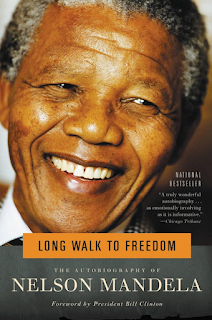


Biography #2: Nelson Mandela – The Journey from Prisoner to President
Nelson Mandela's journey from prisoner to president is a powerful testament to resilience, determination, and the transformative power of leadership. His biography, *Long Walk to Freedom*, offers an intimate glimpse into the life of a man who spent 27 years behind bars, yet emerged as a symbol of hope and reconciliation for millions.

Mandela's story begins in the rural village of Mvezo, where he was born into the Thembu royal family. From his early days, he was acutely aware of the injustices faced by his people under apartheid—a system that institutionalized racial segregation and discrimination in South Africa. As he rose through the ranks of the African National Congress (ANC), Mandela's commitment to ending apartheid became unwavering, leading him to orchestrate peaceful protests as well as more militant resistance.

His incarceration on Robben Island became a crucible for his character and resolve. Far from breaking his spirit, the harsh conditions and isolation only strengthened his commitment to justice. Mandela's ability to maintain hope in the face of adversity became legendary, as he forged bonds with fellow inmates and sought to inspire change even from behind bars.

Upon his release in 1990, Mandela's vision for a united South Africa was clear. He became a figure of reconciliation, advocating for peace between the nation's divided communities. His ascent to the presidency in 1994 marked a historic moment, as he became the first black president of South Africa, symbolizing the triumph of democracy over oppression.

Mandela’s leadership style, characterized by humility, empathy, and an unwavering commitment to justice, serves as an enduring lesson for leaders today. His biography not only recounts the monumental events of his life but also offers profound insights into the qualities that define true leadership. Reading about Mandela's journey can inspire anyone seeking to understand the complexities of leadership, the importance of perseverance, and the power of forgiveness in the face of deep-seated conflict.
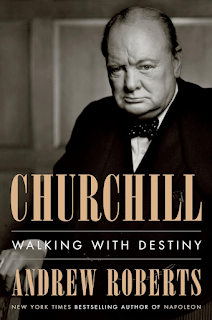


Biography #3: Winston Churchill – Leadership in Times of Crisis
Winston Churchill’s life story is a testament to the power of resilience and resolve in the face of overwhelming adversity. His biography is not just a chronicle of his political career but a deep dive into the psyche of a leader who rose to prominence during one of history's darkest periods: World War II. As Prime Minister of the United Kingdom from 1940 to 1945, Churchill's steadfast leadership and stirring oratory inspired a nation teetering on the brink of despair, uniting citizens with a shared sense of purpose.

This biography explores Churchill's early life, including his tumultuous childhood and formative experiences in the military, which shaped his worldview and leadership style. It delves into his strategic foresight, showcasing how he navigated the complexities of global politics and rallied the Allies against the Axis powers. Readers are treated to vivid accounts of his legendary speeches—each word carefully crafted to instill hope and resilience among the British people. Phrases like "We shall fight on the beaches" became rallying cries, encapsulating his unwavering determination.

Moreover, this biography does not shy away from Churchill's flaws. His complex personality, marked by moments of brilliance tempered by bouts of stubbornness, paints a nuanced portrait of a leader who was as human as he was heroic. The narrative also examines his relationship with his contemporaries, including Roosevelt and Stalin, providing insight into the diplomatic maneuvers that shaped the post-war world.

Ultimately, Winston Churchill's biography serves as an essential read for anyone looking to understand the essence of leadership during crisis. It emphasizes that true leaders are forged not in times of comfort, but in the fires of adversity, where courage, vision, and the ability to inspire others become paramount. Whether you are a seasoned leader or an aspiring one, Churchill’s story offers invaluable lessons on perseverance, the power of words, and the importance of standing firm in one’s convictions, making it a must-read in the exploration of historical leadership.


Biography #4: Rosa Parks – The Courage to Stand Up
Rosa Parks is a name synonymous with courage and the unwavering spirit of resistance. Her biography, “Rosa Parks: My Story,” offers an intimate glimpse into the life of a woman who became a pivotal figure in the American Civil Rights Movement. Parks’ story begins in Montgomery, Alabama, where she faced the harsh realities of segregation and discrimination. It was on December 1, 1955, when, after a long day of work, she made the fateful decision to remain seated on a segregated bus, refusing to give up her seat to a white passenger. This singular act of defiance sparked the Montgomery Bus Boycott, a powerful movement that would change the course of history.

In her biography, readers are taken through Parks’ early life, exploring her upbringing in a segregated South that shaped her understanding of justice and equality. Her experiences, from childhood to adulthood, reveal the deep-rooted injustices faced by African Americans and the resilience required to combat them. Parks did not act alone; her life story intertwines with other civil rights leaders and activists who worked alongside her, highlighting the collective effort that fueled the movement.

What makes Parks’ biography so compelling is not just her moment of bravery but the profound impact it had on society. She became a symbol of hope and strength, inspiring countless individuals to join the fight for civil rights. Her words resonate with wisdom, as she reflects on the importance of standing up for one’s beliefs, regardless of the potential consequences.

Rosa Parks’ life is a testament to the power of courage and conviction. Her biography serves as a reminder that one person can indeed make a significant difference in the world. For anyone seeking inspiration in the face of adversity, “Rosa Parks: My Story” is an essential read that illuminates the journey of a woman who dared to challenge the status quo and, in doing so, became a beacon of hope for generations to come.


Biography #5: Marie Curie – Breaking Barriers in Science
Marie Curie’s journey is not just a tale of scientific achievement; it is a profound narrative of perseverance in the face of adversity and a relentless pursuit of knowledge. Born Maria Skłodowska in Warsaw, Poland, in 1867, Curie broke through the constraints of her time to become one of the most celebrated scientists in history. Her groundbreaking work in radioactivity earned her the distinction of being the first woman to win a Nobel Prize and the only person ever to win Nobel Prizes in two different scientific fields—Physics in 1903 and Chemistry in 1911.

Curie’s biography paints a vivid picture of a woman who defied societal norms and overcame the formidable barriers of gender in a male-dominated field. Her early education in Poland was marked by a thirst for knowledge that propelled her to Paris, where she furthered her studies at the Sorbonne. It was here that she discovered her passion for physics and chemistry, leading to her pioneering research on radioactive elements, including polonium and radium.

Her journey was fraught with challenges, including the skepticism of her contemporaries and the harsh realities of working in a field that offered little recognition for women. Yet, Curie remained undeterred. The biography delves into her tireless efforts to conduct experiments under difficult conditions, often in makeshift laboratories, which ultimately revolutionized our understanding of atomic physics.

Beyond her scientific accolades, Curie’s life story is a testament to resilience and determination. She faced personal tragedies, including the loss of her husband, Pierre Curie, yet continued her work with unfaltering dedication. Her contributions laid the groundwork for advancements in medical treatments, particularly in oncology, forever changing the landscape of science and medicine.

Marie Curie’s biography is not just a recounting of her achievements, but a powerful narrative that inspires future generations to challenge the status quo, embrace curiosity, and pursue their passions, no matter the obstacles. Her legacy continues to resonate, reminding us that true leadership is often found in the courage to break barriers and forge new paths.


Biography #6: Martin Luther King Jr. – The Dream of Equality
Martin Luther King Jr. is not just a name etched in the annals of history; he is a beacon of hope and resilience, a figure whose life story embodies the relentless pursuit of justice and equality. His biography unveils the profound journey of a man who transformed the landscape of civil rights in America and inspired millions around the globe.

Born on January 15, 1929, in Atlanta, Georgia, King was steeped in a tradition of social justice and religious leadership from an early age. His upbringing in a segregated society deeply influenced his worldview, leading him to seek a path that combined his faith with the fervent desire for civil rights. The biography captures his early struggles, from his education at Morehouse College to his theological studies at Crozer Theological Seminary, where he was introduced to the principles of nonviolent resistance.

King's life reached a pivotal moment with the Montgomery Bus Boycott in 1955, an act of defiance against racial segregation that propelled him into the national spotlight. His ability to articulate the aspirations of an oppressed people through powerful oratory is a hallmark of his legacy. The biography delves into his most famous speeches, including the iconic "I Have a Dream," delivered during the 1963 March on Washington, where he painted a vivid picture of a future free from racial injustice.

Throughout his journey, King faced immense challenges, including arrests, threats to his life, and the weight of leading a movement in turbulent times. Yet, his unwavering commitment to nonviolence and love as tools for social change set him apart as a leader of unparalleled moral courage. The biography reveals not only his public struggles but also the personal sacrifices he made, reflecting the cost of leadership in the fight for civil rights.

Ultimately, Martin Luther King Jr.'s story is one of triumph against adversity, a testament to the power of hope and the belief in a better tomorrow. His legacy continues to inspire generations, reminding us that the fight for equality is not just a historical event but an ongoing journey. This biography is a profound exploration of a man who dared to dream and, in doing so, changed the world.


Biography #7: Abraham Lincoln – Leadership Through Division
In the realm of transformative leaders, few figures are as revered and complex as Abraham Lincoln. His biography, “Team of Rivals” by Doris Kearns Goodwin, serves not only as a profound recounting of his life and presidency but also as a masterclass in leadership during tumultuous times. Lincoln's tenure was marked by the harrowing backdrop of the American Civil War, a period defined by division and strife. Yet, it was within this chaos that Lincoln's remarkable leadership qualities shone brightest.

Kearns Goodwin meticulously details how Lincoln, often underestimated due to his humble beginnings and unassuming demeanor, rose to become a pivotal figure in American history. What sets him apart is not merely his ability to lead but his unique approach to uniting a fractured nation. Lincoln famously assembled a cabinet comprised of his political rivals, demonstrating his commitment to inclusivity and collaboration. This strategic choice allowed him to draw from diverse perspectives, ultimately fostering a culture of open dialogue and innovation amidst disagreement.

Through a series of poignant anecdotes and insights, readers are drawn into Lincoln's world, witnessing his struggles with self-doubt, his deep empathy for the suffering of others, and his unwavering belief in the principles of democracy and equality. His speeches, such as the Gettysburg Address, reflect a profound moral clarity and a vision for a united nation, reminding us of the power of words in shaping collective identity and purpose.

“Team of Rivals” not only chronicles Lincoln’s political maneuvers but also delves into his personal challenges, illustrating how vulnerability and resilience can coexist. As we navigate our own complex landscapes, Lincoln’s story inspires us to lead with integrity, to embrace differing viewpoints, and to find common ground even in the face of division. His legacy serves as a testament to the idea that true leadership is not about dominance but about fostering unity and understanding, making this biography an essential read for anyone seeking to understand the essence of effective leadership.


Biography #8: Margaret Thatcher – The Iron Lady’s Legacy
Margaret Thatcher, known as the "Iron Lady," remains one of the most formidable figures in modern political history. Her biography is not just a recounting of a life lived in the public eye; it is a compelling narrative of resilience, conviction, and the relentless pursuit of her vision for Britain. Rising from humble beginnings as the daughter of a grocer in Grantham, Thatcher broke through societal barriers to become the first female Prime Minister of the United Kingdom in 1979.

Her tenure was marked by sweeping economic reforms, staunch conservative policies, and an unwavering commitment to free-market principles. Thatcher's approach often polarized public opinion—her supporters lauded her for revitalizing the British economy and curtailing the power of labor unions, while her critics accused her of deepening social divides and neglecting the welfare of the working class. Yet, it was her ability to lead with conviction that left an indelible mark on the country and the world stage.

In this biography, readers gain insight into Thatcher’s tenacity and her ability to navigate the turbulent waters of politics. The book delves into her strategic mindset, showcasing her famous "Thatcherism," which emphasized deregulation, privatization, and a firm stance against the Soviet Union during the Cold War era. It also highlights her unique leadership style—often characterized by her iconic handbag, which became a symbol of her determination and no-nonsense approach.

Moreover, the biography does not shy away from the personal challenges she faced, offering a glimpse into her life as a mother and wife amidst her demanding political career. Thatcher's story is one of triumph and adversity, illustrating how she carved out a legacy that continues to influence political discourse today. Through her life, readers not only understand the dynamics of leadership but also the complexities inherent in wielding power, making this biography an essential read for anyone interested in the intricacies of leadership and governance.


Lessons Learned from These Influential Leaders
In examining the lives of history's most influential leaders, we uncover a treasure trove of lessons that transcend time and context. These biographies are not merely chronicles of achievements; they are rich narratives filled with triumphs, failures, and the invaluable insights gained along the way.

One of the most prominent lessons is the power of resilience. Leaders like Winston Churchill, who faced tremendous adversity during World War II, exemplified how perseverance can lead to overcoming even the direst circumstances. Churchill’s tenacity reminds us that setbacks are often just stepping stones on the path to success.

Another key takeaway is the importance of vision. Figures such as Martin Luther King Jr. and Mahatma Gandhi demonstrated that a clear vision, coupled with unwavering commitment, can inspire entire movements for change. Their lives teach us that effective leadership is not just about guiding others, but about igniting a shared purpose that resonates with people on a deeply emotional level.

Furthermore, the biographies highlight the significance of adaptability. Leaders like Abraham Lincoln navigated through tumultuous times by remaining flexible in their strategies and open to new ideas. This adaptability is crucial in today’s ever-changing landscape, where the ability to pivot can mean the difference between success and failure.

Finally, many of these leaders emphasize the value of collaboration and empathy. Figures such as Nelson Mandela showcased how building bridges and fostering understanding among diverse groups can lead to lasting peace and progress. Their experiences remind us that leadership is not a solo endeavor but a collective journey that thrives on mutual respect and cooperation.

As we delve into these powerful narratives, we gain not only inspiration but also practical wisdom that can guide us in our own leadership journeys. Whether you’re a seasoned executive or an aspiring leader, the lessons learned from these influential figures can provide a roadmap for navigating the complexities of leadership with grace and effectiveness.


How to Apply Their Leadership Principles Today
Applying the leadership principles of history's most influential figures in today's complex and fast-paced world may seem daunting, but it is entirely achievable with a thoughtful approach. These biographies not only chronicle the lives of great leaders but also distill their philosophies into actionable insights that can inspire modern-day leaders in various fields.

Start by reflecting on the core values and strategies exemplified by these iconic figures. For instance, consider Nelson Mandela's unwavering commitment to reconciliation and unity. In a time of division, adopting a similar approach can foster a more inclusive environment within your organization. Look for opportunities to bridge gaps and build consensus, encouraging collaboration over competition.

Additionally, study the resilience displayed by leaders like Winston Churchill during times of adversity. His ability to communicate hope and rally his nation can serve as a blueprint for motivating teams through challenging circumstances. Emulating this kind of steadfast communication can help leaders maintain morale and inspire action, even when the path forward seems uncertain.

Moreover, take cues from leaders such as Steve Jobs, who championed innovation and creative thinking. Encourage a culture of experimentation within your team, where ideas are welcomed, tested, and refined. This not only cultivates an innovative mindset but also empowers team members to take ownership of their contributions.

Lastly, remember the importance of self-awareness and humility exemplified by figures like Mahatma Gandhi. Acknowledging one's limitations and being open to feedback fosters trust and respect among team members. As you implement these principles, prioritize active listening and invite diverse perspectives to enrich your leadership style.

In conclusion, the legacies of history's most influential leaders provide a treasure trove of lessons that can be directly applied to contemporary leadership challenges. By integrating their principles into your own leadership practice, you can inspire those around you, navigate complexities with confidence, and ultimately lead with purpose and integrity.


Recommended Further Reading and Resources
To deepen your understanding of leadership through the lens of history’s most influential figures, we’ve compiled a curated list of recommended further reading and resources that will expand your perspective and inspire your own leadership journey.

**More Biographies:**
**Alexander Hamilton by Ron Chernow** - This Pulitzer Prize-winning biography offers an in-depth look at the life of one of America’s Founding Fathers, showcasing his brilliance and ambition that shaped a nation.

**The Autobiography of Benjamin Franklin** - A classic that provides insights into Franklin’s philosophy on life, work, and leadership, illustrated by his own experiences and reflections.

**The Diary of a Young Girl by Anne Frank** - While not a traditional biography, this poignant diary gives voice to the indomitable spirit of a young girl facing unimaginable adversity, offering lessons on hope and courage.

**Elon Musk" by Walter Isaacson** - "When Elon Musk was a kid in South Africa, he was regularly beaten by bullies. One day a group pushed him down some concrete steps and kicked him until his face was a swollen ball of flesh. He was in the hospital for a week. But the physical scars were minor compared to the emotional ones inflicted by his father, an engineer, rogue, and charismatic fantasist." from Amazon.com

**Steve Jobs" by Walter Isaacson** - "Based on more than forty interviews with Steve Jobs conducted over two years—as well as interviews with more than 100 family members, friends, adversaries, competitors, and colleagues—Walter Isaacson has written a riveting story of the roller-coaster life and searingly intense personality of a creative entrepreneur whose passion for perfection and ferocious drive revolutionized six industries: personal computers, animated movies, music, phones, tablet computing, and digital publishing." from Amazon.com


**Books on Leadership:**
1. **Leaders Eat Last by Simon Sinek** - This book explores the importance of building trust and creating a culture of safety within organizations, drawing lessons from leaders across various fields.

2. **Good to Great by Jim Collins** - Collins examines what makes certain companies successful over the long term, identifying key leadership principles that can be applied across industries.

3. **Dare to Lead by Brené Brown** - Brown’s work focuses on the importance of vulnerability and empathy in effective leadership, equipping readers with the tools to foster connection and courage within their teams.


Conclusion: The Ongoing Impact of Historical Leaders on Modern Leadership
In conclusion, the legacies of history's most influential leaders continue to echo through time, shaping the landscape of modern leadership in profound ways. As we have explored through the pages of their biographies, these figures—each with their unique challenges, triumphs, and philosophies—have left behind a treasure trove of insights that remain relevant today. Their stories remind us that leadership is not merely about authority or position; it is about vision, resilience, and the ability to inspire others towards a common goal.

The principles articulated by leaders like Nelson Mandela, Eleanor Roosevelt, and Mahatma Gandhi transcend their eras, offering timeless lessons on courage, empathy, and social responsibility. In a world that is constantly evolving, the challenges we face today—be it in politics, business, or community engagement—are oftentimes reflections of the struggles these leaders encountered. By studying their journeys, we not only gain a deeper understanding of historical contexts but also uncover strategies that can be applied to our own leadership endeavors.

Moreover, the diverse backgrounds and experiences of these influential figures highlight the importance of inclusivity in leadership. Their varied perspectives encourage contemporary leaders to embrace diversity, fostering environments where innovation and collaboration thrive. As we draw inspiration from their lives, we are reminded that effective leadership is an ongoing journey—a continuous process of learning, adapting, and growing.

Ultimately, the biographies of these historical leaders serve as more than just stories of the past; they are essential reading for anyone aspiring to make a difference in the world. As we reflect on their enduring impact, let us carry forward their lessons, striving to lead with integrity, vision, and a commitment to bettering our communities for generations to come.


As we conclude our exploration of the must-read biographies of history's most influential figures, we hope you feel inspired to delve deeper into the lives and legacies of these remarkable leaders. Each biography offers a unique lens through which we can understand the complexities of leadership—its triumphs, challenges, and the indomitable human spirit behind it all. From the strategic insights of visionary statesmen to the personal struggles of revolutionary thinkers, these stories not only enrich our understanding of history but also provide valuable lessons for our own leadership journeys. So, as you turn the page to your next read, remember that within these narratives lie not just the tales of individuals, but the blueprints of courage, resilience, and innovation that continue to resonate today. Happy reading, and may these powerful stories ignite your passion for leadership!

Unlocking Potential: How Authors Can Leverage AI to Market Their Books Effectively

In an increasingly digital world, the landscape of book marketing is evolving at lightning speed, leaving many authors grappling with how to effectively reach their audience amidst the noise. Enter artificial intelligence—an innovative tool that is transforming the way writers connect with readers and promote their literary creations. From data-driven insights that pinpoint audience preferences to sophisticated algorithms that enhance social media engagement, AI offers a treasure trove of opportunities for authors eager to unlock their books’ potential. In this blog post, we will explore the myriad ways authors can harness the power of AI, providing actionable strategies and creative ideas to elevate their marketing efforts. Whether you’re a seasoned author looking to revitalize your approach or a newcomer eager to make your mark, this comprehensive guide will illuminate the path to effective book marketing in the age of technology. Join us as we delve into the exciting intersection of literature and innovation, and discover how to turn your writing dreams into a reality.


Introduction: The Evolving Landscape of Book Marketing
In today’s fast-paced digital world, the landscape of book marketing is undergoing a profound transformation. Traditional methods of reaching readers—such as book signings, physical advertisements, and word-of-mouth—are being supplemented, and in some cases even replaced, by cutting-edge technologies. Among these advancements, artificial intelligence (AI) is emerging as a game-changer for authors looking to amplify their marketing efforts and connect with audiences in more meaningful ways.

As the publishing industry grapples with the ever-increasing volume of content available to readers, authors must find innovative ways to stand out in a crowded marketplace. Gone are the days when simply penning a good book was enough; now, the key to success lies in mastering the art of promotion. AI tools offer authors unprecedented access to data-driven insights, enabling them to understand reader preferences, tailor marketing campaigns, and optimize their outreach strategies.

Imagine being able to analyze reader behavior, identify emerging trends, and craft personalized marketing messages—all at the click of a button. AI can help authors harness the power of big data to target specific demographics, enhance engagement, and drive book sales. From automating social media posts to generating captivating email newsletters, the applications of AI in book marketing are as diverse as they are effective.

As we delve deeper into this exciting intersection of literature and technology, we will explore the myriad ways authors can leverage AI to not only promote their books but also build lasting relationships with their readers. The possibilities are limitless, and the time to embrace this evolution is now. Welcome to the future of book marketing—let's unlock that potential together!


Understanding AI: What Authors Need to Know
To navigate the evolving landscape of book marketing, it's crucial for authors to grasp the fundamentals of artificial intelligence. At its core, AI refers to systems designed to mimic human intelligence, enabling them to learn, reason, and adapt. For authors, this technology can be a game-changer, offering tools that streamline marketing efforts, personalize reader engagement, and optimize content distribution.

Understanding the different facets of AI is the first step toward leveraging its potential. From chatbots that provide instant communication with readers to algorithms that analyze consumer behavior and recommend books, AI can enhance how authors interact with their audience. Familiarizing yourself with these tools can help you craft a more targeted marketing strategy.

Moreover, it's essential to recognize how AI can assist in data analysis. By parsing through vast amounts of information, AI can identify trends in reader preferences, allowing authors to tailor their marketing campaigns to resonate more with their target audience. This data-driven approach not only enhances the efficiency of your marketing efforts but also increases the likelihood of connecting with potential readers who are genuinely interested in your work.

Additionally, AI-powered platforms can automate repetitive tasks, freeing up valuable time for authors to focus on writing and creativity. Whether it’s scheduling social media posts or analyzing the effectiveness of marketing strategies, these tools can help streamline your workflow.

In essence, understanding AI isn't just about keeping up with technology; it's about embracing a powerful ally in the quest to market your book effectively. By integrating AI into your marketing strategy, you can unlock new avenues for reaching readers and ultimately amplify your book's success in a competitive literary marketplace.


Identifying Your Target Audience with AI Tools
Understanding your target audience is crucial for any author looking to market their book effectively, and leveraging AI tools can streamline this process significantly. In the past, authors often relied on gut feelings or generalized demographics to define their readers, but with the rise of AI, you can now gather valuable insights that transcend mere assumptions.

AI tools such as audience analysis software and social media analytics platforms can help you identify the nuances of your potential readership. These tools analyze data from various sources—such as reader reviews, social media interactions, and online forums—to paint a comprehensive picture of who your ideal readers are. You can uncover key demographics like age, gender, location, and interests, as well as more subtle preferences such as reading habits and genre inclinations.

For instance, platforms like Google Analytics can track the performance of your website or blog, revealing which content resonates most with your visitors. Meanwhile, social media listening tools can highlight trending topics and conversations within your genre, allowing you to adapt your marketing strategy in real-time. By mining this data, you can tailor your messaging, promotional campaigns, and even your book's content to better align with the desires of your target audience.

Additionally, AI can assist in segmenting your audience for more personalized marketing efforts. By categorizing readers based on their engagement levels or specific interests, you can craft targeted email campaigns or social media ads that speak directly to each segment. This personalized approach not only increases the likelihood of conversions but also fosters a stronger connection between you and your readers.

In short, utilizing AI tools to identify your target audience empowers you to market your book more effectively, increasing your chances of reaching the right readers and ultimately unlocking the full potential of your literary work. By embracing these advanced technologies, you're not just selling a book; you're building a community of engaged readers who will be eager for your next release.


Crafting Compelling Book Descriptions Using AI
In the crowded marketplace of literature, a compelling book description can be the key to capturing a reader’s attention and driving sales. Enter AI, an invaluable tool that can help authors craft enticing narratives that resonate with their target audience. Utilizing AI for your book descriptions allows you to harness the power of data-driven insights and language optimization to create a captivating synopsis.

Imagine feeding your book’s main themes, character details, and target demographic into an AI writing assistant. With just a few clicks, you can generate multiple versions of a description that not only highlights the unique aspects of your book but also uses persuasive language designed to draw readers in. AI can analyze successful book descriptions within your genre, identifying trends and keywords that appeal to potential readers, ensuring your book stands out from the competition.

Moreover, AI can help you test different variations of your book description to see what resonates best with your audience. By employing A/B testing, you can refine your description based on real-time feedback, making data-backed adjustments that optimize your marketing strategy. This iterative process allows you to gauge interest levels, tweak your messaging, and ultimately attract the right readers who will appreciate your work.

In addition to crafting the initial description, AI can assist in brainstorming catchy taglines and engaging blurbs that can be used on social media, in newsletters, or on your website. By keeping your messaging consistent across platforms, you reinforce your brand identity and increase the likelihood of reader engagement.

Ultimately, leveraging AI to craft compelling book descriptions not only saves you time but also enhances your marketing efforts, helping you connect with readers in a meaningful way. With the right tools at your disposal, you can ensure that your book doesn't just become another title lost in the vast sea of literature, but instead, a must-read for your target audience.


Utilizing AI for Social Media Marketing Strategies
In today’s digital age, social media has become an indispensable platform for authors looking to connect with readers and promote their books. Utilizing AI for social media marketing strategies can not only streamline your efforts but also enhance engagement and reach. With the power of AI, authors can analyze data, predict trends, and create tailored content that resonates with their target audience.

One of the most effective ways to leverage AI is through advanced analytics. AI tools can sift through massive amounts of data to identify which posts garner the most engagement, helping you understand what your audience loves. By analyzing audience demographics, interests, and behaviors, AI can provide insights that inform your content strategy. For instance, you might discover that your readers respond better to behind-the-scenes glimpses of your writing process rather than just promotional posts about your book launch.

Furthermore, AI-driven tools can assist in crafting compelling social media posts. Platforms like Canva and Lately use AI to generate visually appealing graphics and promotional content, allowing you to maintain a consistent brand aesthetic while saving time. Beyond visuals, AI can help in creating catchy captions and hashtags that enhance visibility and encourage interaction. This means you can focus more on your writing while still maintaining an active and engaging online presence.

Another significant advantage of utilizing AI in social media marketing is automation. Scheduling tools powered by AI, such as Buffer or Hootsuite, can optimize your posting times based on when your audience is most active, ensuring that your content reaches the maximum number of people. Additionally, chatbots can engage with your followers in real-time, answering questions and providing recommendations, which can create a more personalized experience for your readers.

Finally, AI can assist in monitoring your brand's online reputation. By employing sentiment analysis tools, you can gauge how readers perceive your book and respond accordingly. This feedback loop allows you to adapt your marketing strategies based on real-time insights, ensuring that your efforts are always aligned with your audience’s preferences.

Incorporating AI into your social media marketing strategies can transform the way you connect with readers. By harnessing the power of technology, you can effectively promote your books, foster engaged communities, and ultimately unlock the potential to reach a wider audience.


Personalized Marketing: How AI Can Tailor Your Campaigns
In the ever-evolving landscape of book marketing, personalization has emerged as a game-changer, and AI technology is leading the charge. Gone are the days of one-size-fits-all marketing strategies that often miss the mark. Today, authors can harness the power of AI to create tailored campaigns that resonate deeply with their target audiences, significantly boosting engagement and sales.

Imagine being able to analyze reader behaviors, preferences, and demographics with just a few clicks. AI tools can sift through vast amounts of data to provide insights into what your readers are searching for, which genres are trending, and even the specific elements of your writing that attract more attention. This wealth of information allows authors to craft highly personalized marketing messages that speak directly to individual readers’ interests.

For instance, an AI-driven email marketing platform can help you segment your audience based on their past purchases or reading habits, enabling you to send customized book recommendations that feel personal and relevant. Instead of a generic newsletter, you could send targeted promotions that highlight your latest release alongside similar titles that the reader has shown interest in. This tailored approach can increase open rates, drive more traffic to your book’s sales page, and ultimately lead to higher conversions.

Moreover, AI can assist in optimizing ad campaigns across various platforms. With machine learning algorithms, these tools can analyze which ads perform best with specific audiences and adjust spending accordingly. This means your marketing budget is used more efficiently, maximizing your reach and effectiveness. By continually refining your campaigns based on real-time data, you can ensure your marketing efforts are as impactful as possible.

In a world where readers are constantly bombarded with content, personalized marketing powered by AI not only captures attention but also fosters a deeper connection between authors and their audiences. By embracing these intelligent tools, authors can unlock unprecedented opportunities to market their books effectively, ensuring that they not only reach but also resonate with readers, leading to a loyal fan base that keeps coming back for more.


Content Creation: Using AI for Blogs, Newsletters, and More
In today’s digital landscape, content is king, and leveraging AI for content creation can be a game-changer for authors looking to market their books effectively. Imagine having a dedicated assistant that can churn out engaging blog posts, captivating newsletters, and eye-catching social media content at a fraction of the time it would take you to do it manually. AI tools, such as natural language processing applications, can help you brainstorm ideas, generate outlines, and even write full drafts, allowing you to focus more on the creative aspects of your work.

When it comes to blogging, AI can analyze trending topics within your genre, suggesting themes and angles that resonate well with your target audience. This not only saves you precious time but also ensures that your content remains relevant and appealing. For newsletters, AI can personalize content based on reader preferences, segmenting your audience to deliver tailored messages that increase engagement and drive sales.

Moreover, AI can assist in optimizing your content for search engines by suggesting keywords and crafting headlines that attract clicks. This ensures that your blog posts and newsletters reach a wider audience, ultimately driving more traffic to your book sales pages.

Additionally, employing AI-driven tools for social media management can help you maintain a consistent presence across platforms. From scheduling posts to generating graphics that accompany your book promotions, AI can help streamline your efforts, allowing you to showcase your work creatively and regularly.

In essence, embracing AI for content creation not only enhances your marketing strategy but also frees up your time, enabling you to connect with readers on a deeper level. By harnessing the power of AI, you can unlock your marketing potential and ensure that your literary works gain the visibility and readership they deserve.


Analyzing Market Trends and Reader Preferences with AI
In the rapidly evolving landscape of publishing, understanding market trends and reader preferences is crucial for authors looking to effectively market their books. Artificial intelligence offers powerful tools that can analyze vast amounts of data in real-time, providing insights that were once out of reach for many writers. By harnessing AI, authors can gain a deeper understanding of what resonates with their target audience, ensuring that their marketing strategies are both relevant and compelling.

AI algorithms can sift through online reviews, social media conversations, and trending topics across various platforms, allowing authors to identify not only popular genres and themes but also emerging reader sentiments. For instance, if a particular subplot or character archetype is gaining traction in discussions, an author can pivot their marketing approach to highlight similar elements in their own work. This proactive strategy can create a sense of alignment between what readers are seeking and what an author has to offer.

Additionally, AI tools can track changes in reader behavior, such as shifts in purchasing patterns or spikes in interest around specific times of the year. By analyzing this data, authors can strategically time their book launches, promotional events, and social media campaigns to coincide with peak interest periods, maximizing visibility and engagement.

Moreover, personalized marketing becomes much more achievable with AI’s capabilities. By analyzing demographic data, reading habits, and past purchases, authors can tailor their outreach to specific segments of their audience, crafting targeted messages that speak directly to various reader interests. Whether it's through customized email campaigns or personalized book recommendations, AI empowers authors to foster a more intimate relationship with their readers.

In essence, leveraging AI to analyze market trends and reader preferences not only enhances an author’s marketing efforts but also allows for a more responsive and informed approach to their writing journey. With these insights, authors can unlock their potential, ensuring their books not only reach but resonate with the readers they aim to captivate.


Enhancing Email Marketing Campaigns with AI Insights
In the ever-evolving landscape of book marketing, email remains one of the most powerful tools at an author's disposal. However, maximizing the effectiveness of your email marketing campaigns can sometimes feel like navigating a labyrinth. This is where AI comes into play, offering a wealth of insights that can transform your outreach efforts and significantly boost engagement with your readers.

Imagine harnessing the power of AI to analyze your audience’s behavior and preferences. By leveraging machine learning algorithms, you can uncover patterns in your subscribers' interactions with your previous emails. This means you can tailor your content, subject lines, and sending times to align perfectly with what resonates most with your readers. For instance, AI tools can segment your audience based on their reading preferences or past purchases, allowing you to craft personalized messages that speak directly to the interests of each group.

Furthermore, AI can help you optimize your email frequency and timing. By analyzing data on when your readers are most likely to open and engage with your emails, you can schedule your campaigns for maximum impact. Say goodbye to the guesswork of "what time should I send this?" and let AI guide you to the sweet spot that generates the highest open rates.

Another innovative application of AI in email marketing is the ability to predict trends and reader interests. By utilizing predictive analytics, you can identify which genres are gaining traction or which themes are captivating readers at any given moment. This insight allows you to adjust your promotional strategies and even influence future writing projects based on the demands of your audience.

Lastly, consider the power of A/B testing, enhanced by AI. While traditional methods of testing different subject lines or content can be valuable, AI can streamline this process by automatically analyzing the results and determining the most effective elements. This means you can spend less time on trial and error and more time engaging with your readers and writing your next bestseller.

Incorporating AI into your email marketing campaigns not only saves time and effort but also provides a data-driven approach to connect with your audience more effectively. By enhancing your strategies with AI insights, you can unlock new levels of engagement, ensuring that your readers remain excited about your work and eager to open your next email.


Leveraging AI for Book Cover Design and A/B Testing
In the competitive world of publishing, your book cover serves as the first impression for potential readers, making it a critical component of your marketing strategy. Traditional book cover design can be a lengthy and costly process, but with the advent of AI technology, authors now have powerful tools at their fingertips to create eye-catching covers that resonate with their target audience.

AI-powered design platforms offer intuitive interfaces that allow authors to generate stunning book covers in a fraction of the time it would take a traditional designer. These tools analyze popular design trends, color schemes, and typography styles, ensuring that your cover not only stands out but also aligns with genre expectations. By inputting specific details about your book—such as themes, mood, and target audience—you can receive multiple design variations that cater to different reader preferences.

However, the innovation doesn't stop there. A/B testing, a method traditionally used in marketing campaigns, can now be applied to book covers with the help of AI. By creating two or more cover designs and using AI analytics to track which version garners more interest—be it through clicks, shares, or conversions—you can make data-driven decisions about which cover resonates best with your audience. This iterative process allows you to refine your visuals continually, ensuring that your cover not only attracts attention but also compels potential readers to pick up your book.

The integration of AI into book cover design and A/B testing streamlines the creative process while providing authors with invaluable insights into market preferences. By leveraging these technologies, you can unlock the potential of your book's visual appeal and significantly enhance your marketing efforts, ultimately leading to greater visibility and increased sales.


Managing Book Reviews and Reader Engagement with AI
Managing book reviews and reader engagement can be a daunting task for any author, but leveraging AI can transform this process into a streamlined and effective strategy. In today’s digital age, reader feedback is crucial—not only does it influence potential buyers, but it also shapes the ongoing relationship between authors and their audiences. Here’s where AI steps in to simplify and enhance these interactions.

AI-driven tools can help authors monitor and analyze book reviews from sources like LitPick Book Reviews across various platforms, from Amazon to Goodreads and social media. With natural language processing capabilities, these tools sift through countless reviews, extracting valuable insights about readers’ preferences and sentiments. By understanding common themes and emotions in feedback, authors can tailor their marketing strategies to resonate more deeply with their audience. For instance, if readers are raving about character development in a specific genre, authors can highlight that aspect in promotional materials or future writing.

Moreover, AI chatbots can engage readers in real-time, providing instant responses to inquiries about the book, author events, or even personalized reading recommendations. This immediate interaction not only enhances the reader's experience but also fosters a sense of community. Imagine a reader asking about a sequel or sharing thoughts on a recent read; an AI chatbot can provide timely information and keep the conversation alive, encouraging readers to become loyal fans.

Furthermore, AI tools can automate the process of soliciting reviews from readers. After a book purchase, an author can set up an automated email campaign, prompting readers to share their thoughts. By leveraging these tools, authors can increase the likelihood of gathering reviews without the tedious manual outreach that often falls by the wayside.

In essence, managing book reviews and reader engagement with AI allows authors to focus more on their craft while ensuring their readers feel valued and connected. By embracing this technology, authors can unlock the potential of their readership, leading to sustained interest and ultimately greater success in the competitive world of publishing.


Ethical Considerations: Balancing AI Use and Authenticity
In the rapidly evolving landscape of book marketing, the integration of artificial intelligence offers authors unprecedented opportunities to reach their audience. However, with these advancements come ethical considerations that demand careful navigation. Striking a balance between leveraging AI tools and maintaining authenticity is essential for authors who wish to connect with readers on a deeper level.

At its core, authenticity is about being genuine and relatable. Readers are drawn to authors who share their unique voices, experiences, and stories. While AI can assist in generating content, analyzing data, or even crafting social media posts, there's a crucial line that should not be crossed. Relying too heavily on AI-generated content risks diluting the personal touch that readers crave. It's important to remember that your readers seek a connection with you—not just your book.

To maintain authenticity while harnessing the power of AI, authors can adopt a hybrid approach. Use AI for research, data analysis, and even automating mundane tasks, but ensure that the heart of your messaging comes from you. For instance, AI can help identify trending topics or keywords that resonate with your audience, yet the storytelling, insights, and nuances should always reflect your unique voice.

Additionally, transparency plays a significant role in ethical AI use. Be open with your audience about how you’re using technology in your marketing efforts. If a post or a newsletter was drafted with the help of AI, let your readers know. This openness fosters trust and strengthens the relationship between you and your audience.

Ultimately, finding the right balance between AI utilization and authenticity can elevate your marketing strategy. By thoughtfully integrating AI tools to enhance your efforts rather than replace your voice, you can unlock the full potential of your book marketing while staying true to who you are as an author. This approach not only creates a more genuine connection with your readers but also ensures that your marketing efforts resonate more profoundly, driving engagement and loyalty to your work.


Conclusion: The Future of Book Marketing with AI
As we stand on the brink of a new era in book marketing, the integration of artificial intelligence is not just a passing trend; it represents a fundamental shift in how authors can engage with their audiences. The tools and techniques enabled by AI are transforming the landscape, providing writers with innovative strategies to reach potential readers in ways that were previously unimaginable.

By harnessing the power of AI, authors can analyze market trends, understand reader preferences, and personalize outreach efforts more effectively than ever. From sophisticated algorithms that predict which genres will surge in popularity to chatbots that provide instantaneous engagement on social media, the potential applications are vast and varied. AI can assist in generating tailored content for marketing campaigns, optimizing ad placements, and even crafting compelling book descriptions that resonate with target audiences.

Moreover, the predictive capabilities of AI can streamline the decision-making process, allowing authors to focus their efforts on strategies that are more likely to yield results. Imagine automating your email marketing based on reader behavior, or using AI-driven insights to determine the best time to launch your next book. The possibilities are endless.

However, it’s essential to remember that while AI offers powerful tools, the heart of successful book marketing still lies in genuine connections with readers. The human touch—stories told with emotion, authenticity, and passion—remains irreplaceable. As authors embrace these advanced technologies, they must also weave in their unique voices and perspectives to create a marketing approach that is both innovative and relatable.


In conclusion, the future of book marketing with AI is bright. It empowers authors to be more strategic, targeted, and efficient in their marketing efforts, unlocking potential that can lead to a deeper engagement with readers and increased book sales. By embracing AI while staying true to their narratives, authors can navigate this evolving landscape with confidence, ensuring their stories reach the audiences they were meant to touch. The journey ahead is not just about adapting to new tools; it's about enhancing the storytelling experience and building lasting relationships with readers around the world.

Thursday, November 07, 2024

The Legacy of Dick, Jane, Sally, and Spot: A Journey Through Childhood Literature

For generations, the beloved characters of Dick, Jane, Sally, and Spot have captured the hearts and imaginations of young readers, serving as the foundation for early childhood literacy in America. These simple yet relatable figures, introduced in the iconic “Dick and Jane” series, created a world where children could explore the joys of reading through charming stories and delightful illustrations. As we embark on this journey through childhood literature, we will delve into the cultural and educational impact of these timeless characters, examining how they not only shaped the reading experiences of countless children but also mirrored the evolving landscape of society. Join us as we celebrate their enduring legacy and explore the lessons, values, and nostalgic memories that continue to resonate with readers of all ages.


Introduction to Dick, Jane, Sally, and Spot

In the realm of childhood literature, few names evoke as much nostalgia as Dick, Jane, Sally, and Spot. These characters, crafted in the mid-20th century by educators William S. Gray and Dorothy Baruch, have become iconic symbols of early reading education in America. Their stories, simple yet profound, introduced young readers to the joys of learning through engaging narratives and relatable experiences.

Dick, Jane, and Sally — often referred to collectively as the “Dick and Jane” series — were carefully designed to reflect the lives of typical American children. Their adventures unfolded in a world filled with familiar sights and everyday activities, from playing in the park to sharing snacks at home. Spot, the loyal and playful dog, added an element of joy and companionship, captivating the hearts of children while also serving as a tool for teaching basic vocabulary and sentence structure.

The series was groundbreaking in its approach, utilizing a repetitive and phonetic style that made reading accessible to even the youngest learners. With illustrations that vividly depicted their adventures, the stories encouraged children to connect with the characters, fostering a love for reading that would last a lifetime. Beyond mere entertainment, the tales of Dick, Jane, Sally, and Spot laid the groundwork for literacy education, shaping the way generations of children learned to read and write.

As we delve deeper into the legacy of these characters, we will explore their impact on childhood literacy, the evolution of their stories over the decades, and the cultural significance they hold in the hearts of those who grew up with them. Join us on this nostalgic journey through the pages of childhood literature, where the simple words of Dick, Jane, Sally, and Spot continue to resonate with readers of all ages.


The Historical Context of Early Childhood Literature

The landscape of early childhood literature is rich with history, reflecting the societal values and educational philosophies of its time. In the early 20th century, as the United States began to recognize the importance of early education, literature for young readers evolved significantly. The rise of the progressive education movement emphasized the need for children to engage with texts that were not only educational but also relatable and enjoyable.

During this period, a shift occurred from the didactic tales of the Victorian era—which often featured moral lessons delivered with a heavy hand—to more engaging narratives that celebrated the everyday experiences of children. This transition was exemplified by the introduction of simple, repetitive texts, designed specifically for early readers. Books like "Dick and Jane," created by William S. Gray and Zerna Sharp in the 1930s, emerged as pioneering examples that combined phonetic reading instruction with captivating stories featuring familiar characters and settings.

The use of relatable characters, such as Dick, Jane, Sally, and their playful dog Spot, was revolutionary. These characters navigated the mundane yet significant experiences of childhood—playing in the yard, going to school, and interacting with family and friends. The stories were not just about teaching children to read; they were about validating their daily lives and encouraging them to see themselves in the pages of a book. This shift in focus laid the groundwork for a more child-centric approach to literature, one that recognized the importance of engagement and connection in fostering a love for reading.

As we explore the historical context of early childhood literature, it's fascinating to consider how these foundational texts not only shaped the literary landscape but also influenced educational practices for generations to come. The legacy of Dick, Jane, Sally, and Spot endures, reminding us of the power of storytelling in the formative years of childhood, and the crucial role it plays in nurturing a lifelong love of reading.


The Impact of the "Dick and Jane" Series on Education

The "Dick and Jane" series, first introduced in the late 1930s, revolutionized early childhood education and left an indelible mark on the landscape of American literacy. These simple yet engaging readers were designed to teach children the fundamentals of reading through repetitive text and relatable stories. The characters—Dick, Jane, Sally, and their ever-faithful dog, Spot—became iconic figures in the realm of children's literature, embodying the innocence and curiosity of childhood.

One of the most significant impacts of the "Dick and Jane" series was its role in promoting phonics and sight word recognition. By using a limited vocabulary and repeating key phrases, the series enabled young readers to develop confidence in their reading skills, fostering a sense of accomplishment that encouraged further exploration of books. This method not only facilitated the learning process but also helped to shape the educational practices of the time, influencing curriculum design in classrooms across the nation.

Moreover, the series introduced a sense of normalcy and familiarity to children's lives, featuring everyday scenarios that mirrored their own experiences. The portrayal of a typical American family engaged in simple activities—playing outside, sharing meals, and caring for pets—provided children with relatable contexts for their learning. As a result, these books not only enhanced literacy but also contributed to socialization, teaching children lessons about family, friendship, and community.

However, the series was not without its criticisms. Over the years, educators and parents have pointed out the lack of diversity and representation in the stories. The characters were predominantly white, and the narratives often failed to reflect the multicultural reality of American society. This sparked important conversations about inclusivity in children's literature, paving the way for a broader range of stories that celebrate diverse backgrounds and experiences.

Despite these criticisms, the legacy of the "Dick and Jane" series endures. It laid the groundwork for modern reading instruction and remains a nostalgic touchstone for many who grew up with its pages. As we reflect on its impact on education, it's clear that this beloved series not only taught children to read but also shaped their understanding of the world around them, leaving a lasting imprint on generations of learners.


How "Dick and Jane" Shaped Literacy Skills

The "Dick and Jane" series, with its iconic illustrations and simple narratives, played a pivotal role in shaping literacy skills for generations of children. Introduced in the 1930s, these beloved readers were designed not just to entertain, but to educate, laying the groundwork for early reading techniques that remain influential today. The repetitive phrases and rhythmic prose fostered phonemic awareness, allowing young learners to grasp the fundamental building blocks of language.

At its core, the series employed a method known as “sight reading,” which emphasized recognizing whole words rather than decoding individual letters. This approach enabled children to develop a sense of fluency and confidence as they progressed through the books. The charming characters—Dick, Jane, Sally, and their ever-faithful dog, Spot—captivated young minds, making the learning process enjoyable and relatable.

Parents and educators appreciated the series for its clear illustrations that provided context clues, helping children to visualize the narrative and enhance comprehension. The familiar scenarios depicted in the books, from playing outside to family gatherings, mirrored the everyday experiences of many children, making the stories not just lessons in reading, but also reflections of their own lives.

Moreover, the impact of "Dick and Jane" extended beyond mere literacy skills. It instilled a love for reading that sparked curiosity and imagination, encouraging children to explore new worlds through books. As they followed Dick and Jane’s adventures, young readers developed critical thinking and comprehension skills that laid the foundation for future academic success. In essence, this simple series did not just teach kids how to read; it ignited a lifelong passion for learning, showcasing the profound legacy of Dick, Jane, Sally, and Spot in the realm of childhood literature.


Illustrations and Their Importance in the Series

Illustrations play a pivotal role in the Dick and Jane series, transforming simple narratives into vibrant, engaging adventures that captivate young readers. The artwork accompanying the text is not merely an aesthetic enhancement; it serves as a primary tool for comprehension and engagement in early literacy. Each page bursts with colorful, whimsical illustrations that invite children into a world of familiar, comforting scenes. The depictions of Dick, Jane, Sally, and their ever-enthusiastic dog, Spot, not only bring the characters to life but also enhance the storytelling experience by providing visual context that aids understanding.

The illustrations depict everyday activities—playing in the park, enjoying a sunny picnic, or exploring the family home—grounding the stories in relatable experiences. This familiarity is crucial for young readers as it fosters a sense of connection and belonging. As children turn the pages, the bright, engaging visuals spark their imaginations, making learning to read feel like a delightful adventure rather than a daunting task.

Moreover, the consistent style of the illustrations helps establish a recognizable brand for the series, creating an enduring visual identity that resonates across generations. The simplicity and clarity of the artwork allow children to focus on the narrative while also encouraging them to predict outcomes based on what they see. This interplay between text and illustration not only aids in vocabulary development but also supports comprehension skills, as kids learn to connect words with images, reinforcing their understanding of language.

In essence, the illustrations in the Dick and Jane series are not just decorative; they are integral to the educational impact of the stories. They create a joyful reading environment that fosters curiosity and enthusiasm for literature, ensuring that the legacy of Dick, Jane, Sally, and Spot endures in the hearts and minds of young readers.


The Evolution of Childhood Literature Since the 1950s

The 1950s marked a pivotal era in childhood literature, heralding a transformation that would resonate through generations. This decade, characterized by post-war optimism and a burgeoning consumer culture, saw the rise of educational readers like the beloved "Dick and Jane" series. These simple, repetitive texts introduced children to the joys of reading while presenting an idealized suburban family life. However, as society evolved, so too did the themes and styles of children's literature.

By the 1960s and 1970s, a wave of change swept through the literary landscape, reflecting the shifting cultural values of the time. Authors began to address more complex and diverse themes, moving beyond the sanitized narratives of earlier decades. Books started to explore the intricacies of family dynamics, the challenges of growing up, and the richness of multicultural experiences. Classic works like "Where the Wild Things Are" by Maurice Sendak and "The Very Hungry Caterpillar" by Eric Carle emerged, captivating young readers with their imaginative storytelling and vibrant illustrations.

As we moved into the 1980s and 1990s, children's literature continued to diversify, embracing a wider range of voices and perspectives. This period saw the introduction of strong, relatable characters and stories that tackled real-life issues such as friendship, loss, and identity. Writers like Judy Blume and Shel Silverstein became household names, offering children a sense of connection and understanding through their relatable narratives.

In the 21st century, the landscape of childhood literature has expanded even further, with digital media playing a significant role in how stories are consumed. E-books and interactive apps have transformed the reading experience, making literature more accessible to children around the globe. The rise of young adult fiction also opened doors for older children and teenagers, offering them complex narratives that delve into themes of self-discovery, social justice, and resilience.

Today, childhood literature is a kaleidoscope of styles, genres, and voices, reflecting the diverse experiences of children in our ever-changing world. From traditional picture books to graphic novels and digital stories, the evolution of childhood literature since the 1950s is a testament to the dynamic relationship between storytelling and the lives of young readers. As we look back on the legacy of characters like Dick, Jane, Sally, and Spot, we can appreciate how far we have come and how literature continues to shape the hearts and minds of children everywhere.


Critiques and Controversies Surrounding the Series

While the "Dick and Jane" series has undoubtedly left an indelible mark on American childhood literacy, it has not escaped scrutiny and critique over the years. These beloved characters, once seen as paragons of innocence and simplicity, have become focal points for discussions around representation, gender roles, and the evolution of educational materials.

One of the primary criticisms centers on the portrayal of gender roles within the stories. Critics point out that Dick, as the male protagonist, often takes on assertive and leadership roles, while Jane's character tends to be more passive, primarily engaged in nurturing activities. This dynamic has led to extensive discussions about the implications of such portrayals on young readers' understanding of gender expectations. Many educators and parents today advocate for more balanced representations that empower both boys and girls equally, reflecting the diverse capabilities and ambitions of children in contemporary society.

Moreover, the series has faced backlash for its lack of diversity. The original illustrations and narratives predominantly feature a white, middle-class family, which raises questions about inclusivity in children's literature. As society becomes increasingly aware of multiculturalism and the importance of diverse representations, the absence of characters from different racial and socioeconomic backgrounds in the "Dick and Jane" series has led to calls for revisions and updates to the classic texts. Advocates argue that all children should see themselves reflected in the stories they read, fostering a sense of belonging and understanding from an early age.

Additionally, some educators have criticized the pedagogical approach of the series, suggesting that its repetitive, simplistic language fails to engage children's imaginations or expand their vocabulary. While the series was designed to promote early reading skills through repetition and familiarity, many modern educators emphasize the need for a richer, more varied linguistic experience in children's literature. This ongoing debate highlights the tension between traditional educational methods and contemporary understandings of effective literacy practices.

In conclusion, while "Dick, Jane, Sally, and Spot" remains a nostalgic staple in American childhood literature, its legacy is complex and multifaceted. The critiques and controversies surrounding the series serve as a reminder of the evolving landscape of children's literature, encouraging us to reflect on the values and messages we impart to future generations through the stories we choose to share. As we navigate these discussions, we must embrace the opportunity to create a more inclusive and equitable literary world for all children.


The Influence of "Dick and Jane" on Modern Children's Books

The charming simplicity of "Dick and Jane" has left an indelible mark on the landscape of children's literature, influencing generations of writers and educators. First introduced in the 1930s, the series revolutionized how young readers approached learning, emphasizing phonics and repetition through relatable characters and straightforward narratives. This foundational approach not only made reading accessible to children but also fostered a sense of familiarity and security in their early literary experiences.

In today’s children's books, one can observe echoes of the "Dick and Jane" methodology, where engaging storytelling is intertwined with educational objectives. Modern authors have adopted similar techniques, crafting stories that are both entertaining and pedagogical. Picture books featuring rhythmic text, repetitive phrases, and vibrant illustrations continue to thrive, drawing inspiration from the uncomplicated yet effective narrative style of the classic series.

Moreover, the themes of friendship, family, and everyday adventures prevalent in "Dick and Jane" resonate in contemporary narratives, reminding us that the essence of childhood remains unchanged. The emphasis on relatable characters and scenarios serves to bridge the gap between the worlds of children and their readers, building emotional connections that encourage a love for reading.

As we explore the legacy of "Dick and Jane," it becomes evident that their influence extends beyond mere phonetic learning; it has shaped the very fabric of children's literature. Today's authors, while experimenting with diverse themes and storytelling techniques, often return to the fundamental principles established by this beloved series, ensuring that the journey of childhood literacy continues to thrive, inspired by the simplicity and charm of Dick, Jane, Sally, and Spot.


Conclusion: Reflecting on the Lasting Impact of Dick and Jane

As we draw the curtain on our exploration of Dick, Jane, Sally, and Spot, it becomes increasingly clear that these simple, yet profound characters have left an indelible mark on generations of readers. The rhythmic cadence of their stories, combined with the vivid illustrations that filled the pages of countless early readers, created an immersive experience that was both educational and entertaining.

In the mid-20th century, the Dick and Jane series became synonymous with early childhood literacy, acting as a gateway for countless children to embark on their reading journeys. The straightforward narratives, steeped in the everyday experiences of family life, allowed young readers to see themselves in the stories. This relatability fostered a sense of comfort and familiarity, enabling children to navigate the often daunting world of reading with confidence.

The impact of Dick and Jane extends beyond mere literacy; it has influenced educational methodologies and approaches to teaching reading. Their stories sparked a movement that prioritized phonics and repetition, paving the way for modern teaching techniques that continue to evolve. Not only did they serve as an introduction to reading, but they also subtly imparted values of friendship, family, and curiosity.

As we reflect on the legacy of these beloved characters, it’s important to acknowledge their role in shaping the cultural landscape of childhood literature. While the world of children's books has since diversified and expanded, the foundational lessons learned from the adventures of Dick, Jane, Sally, and Spot remain timeless. They remind us that the journey into literacy is not just about learning to read but also about connecting with stories that resonate, inspire, and nurture a lifelong love for books. In every child who picks up a book today, we can see the echoes of Dick and Jane, inviting another generation to explore the magic of reading.

Tuesday, October 15, 2024

Finding the Sweet Spot: What’s the Ideal Length for Teen Fiction?

Navigating the literary landscape of teen fiction can be as exhilarating as it is challenging, especially when it comes to determining the ideal length for a captivating story. As young readers seek immersive adventures and relatable characters, authors must strike the perfect balance between depth and brevity. But what exactly constitutes the "sweet spot" for teen fiction? Is it a concise narrative that keeps the pace lively, or a more expansive tale that allows for intricate world-building and character development? In this post, we’ll delve into the nuances of teen fiction length, exploring how word count influences narrative style, reader engagement, and the overall impact of a story. Whether you’re an aspiring writer, a seasoned author, or simply a fan of young adult literature, join us as we uncover the secrets to crafting the perfect teen novel that resonates with its audience and leaves a lasting impression.


1. Understanding the Target Audience: Who Are Teen Readers?

To effectively craft teen fiction that resonates, it’s crucial to first understand who your readers are. Teen readers encompass a diverse group, typically ranging from ages 13 to 19, but their interests, preferences, and life experiences can vary widely within that span. They are navigating a pivotal time in their lives—filled with exploration, self-discovery, and emotional highs and lows. This age group is characterized by a deep desire for authenticity, and they often crave stories that reflect real-life challenges, aspirations, and social dynamics.

Today's teen readers are digital natives, immersed in a world of technology and social media. They are accustomed to fast-paced information and instant gratification, which influences their reading habits. Books that capture their attention must do so quickly, often within the first few pages. They seek engaging narratives, relatable characters, and plots that evoke a range of emotions.

Additionally, this readership is diverse not just in age but also in background, culture, and identity. As such, they appreciate representation and inclusivity in the stories they consume. They want to see themselves reflected in the characters and scenarios, whether through shared experiences, struggles, or triumphs.

Understanding these nuances is key to finding the sweet spot in the length of your teen fiction. A well-crafted story that resonates with their experiences and interests can lead to a deeper connection, encouraging them to return for more. In this context, the ideal length is not merely a number of pages; it’s about creating a compelling narrative that holds their attention and speaks to their realities. By knowing who your teen readers are, you can tailor your writing to not only meet their preferences but also to keep them engaged, ensuring your work stands out in a competitive market.


2. The Role of Genre in Determining Length

When it comes to teen fiction, genre plays a pivotal role in determining the ideal length of a story. Each genre carries its own conventions and expectations, which can significantly influence how long a book should be. For instance, contemporary YA novels often hover around the 50,000 to 70,000-word mark, allowing ample room for character development and intricate plots that resonate with teenage readers. These stories thrive on relatable themes, emotional depth, and a strong connection to the adolescent experience, making a longer format advantageous for nuanced storytelling.

On the other hand, genres such as fantasy and science fiction frequently demand more extensive world-building and complex plots, which can push word counts upwards of 80,000 words or more. In these cases, the expansive universe and elaborate rules of the narrative require authors to take their time, inviting readers to immerse themselves in a fully realized world. Series in these genres often benefit from this length, as sequels can explore different facets of the universe while maintaining a consistent level of engagement.

Conversely, thrillers and mysteries for teens tend to be more succinct, often falling between 40,000 and 60,000 words. These genres rely on tight pacing and quick plot twists to keep readers on the edge of their seats, meaning that an economical approach to word count can enhance the suspense and urgency of the narrative.

Ultimately, understanding the nuances of genre not only helps authors determine the appropriate length for their stories but also allows them to tailor their writing style and pacing to better suit their audience. By aligning their work with genre conventions while also injecting their unique voice and perspective, writers can find that sweet spot in length that captivates teen readers and keeps them eagerly turning the pages.


3. Analyzing Popular Teen Fiction: Word Count Trends

When it comes to understanding the ideal length for teen fiction, a deep dive into the word count trends of popular titles reveals fascinating insights. Over the past decade, the landscape of young adult literature has evolved, with word counts often reflecting the preferences and attention spans of the teen audience.

Examining bestsellers like *The Fault in Our Stars* by John Green or *The Hunger Games* series by Suzanne Collins, we see a common range between 50,000 to 80,000 words. This length strikes a balance, offering enough depth to develop intricate plots and relatable characters, while remaining concise enough to keep the pages turning.

Moreover, a closer look at emerging trends shows a gradual shift towards shorter novels, particularly in the contemporary romance and fantasy genres. Titles like *One of Us Is Lying* by Karen M. McManus, with a word count of approximately 70,000, demonstrate that teens appreciate fast-paced narratives that can be completed in a few sittings.

Conversely, epic fantasy series such as *Throne of Glass* by Sarah J. Maas often push the upper limits, sometimes exceeding 100,000 words. However, these works tend to captivate a dedicated audience eager for immersive world-building and character development.

The key takeaway? While there isn’t a one-size-fits-all answer, aspiring authors should consider their story’s complexity and the target demographic's preferences. By analyzing the successful titles in the market, writers can find their sweet spot, crafting engaging narratives that resonate with young readers and keep them eagerly turning the pages.


4. Short Stories vs. Novels: What Appeals to Teens?

When it comes to capturing the attention of young readers, the debate between short stories and novels is particularly relevant in the realm of teen fiction. Each format holds its own unique appeal, catering to the diverse preferences and lifestyles of teenagers.

Short stories offer a tantalizing bite-sized experience perfect for the often-busy lives of teens. With their concise nature, these narratives allow for quick escapism, ideal for readers who may only have a few minutes between classes or during their daily commute. The immediacy of short stories can hook readers with a powerful punch, delivering compelling characters and engaging plots in a swift and satisfying manner. They also provide a great opportunity for experimentation; a teenager can explore different genres and themes without the commitment that a full-length novel demands.

On the other hand, novels invite a deeper immersion into complex worlds and character arcs. For teens who crave a more substantial narrative, the length of a novel allows them to explore intricate plots, nuanced relationships, and rich character development. Novels can serve as a companion for longer stretches—offering a journey that unfolds over multiple evenings or weekends. This format fosters a sense of investment, as readers become deeply attached to the characters and their struggles, making the payoff of resolution all the more rewarding.

Ultimately, the appeal of short stories versus novels may come down to the individual teen's reading habits and preferences. Some may relish the quick thrill of a short story collection, while others may eagerly dive into an expansive novel that keeps them engaged for days. By understanding these varying appetites, writers and publishers can better tailor their offerings to meet the demands of the young adult audience, striking that perfect balance between brevity and depth in the captivating world of teen fiction.


5. The Importance of Pacing in Teen Fiction

Pacing is a crucial element in teen fiction, acting as the heartbeat of your narrative and influencing how readers engage with your story. For young adult audiences, who often juggle school, social lives, and countless distractions, a well-paced book can mean the difference between a captivating read and one that gets left on the shelf. Understanding how to maintain an energetic flow while also providing moments of reflection is essential when crafting your narrative.

In teen fiction, the ideal pacing often involves a balance of fast-paced scenes that propel the action forward—such as thrilling confrontations, exciting twists, and romantic encounters—interspersed with slower, more introspective moments that allow characters to develop and readers to catch their breath. This ebb and flow not only keeps readers hooked but also gives them time to form emotional connections with the characters and their journeys.

Consider popular teen novels that have successfully mastered pacing. Books like "The Hunger Games" and "The Fault in Our Stars" expertly transition between high-stakes action and poignant character development, ensuring that readers are invested in both the plot and the characters’ emotional arcs. By paying attention to pacing, you can create a rhythm that resonates with your audience, ensuring they feel the thrill of each plot twist and the weight of each heartfelt moment.

Ultimately, the importance of pacing in teen fiction lies in its ability to engage readers fully and foster a deeper connection to the story. When you strike that perfect balance, your book becomes a page-turner that resonates long after the final chapter, leaving readers eagerly anticipating your next release.


6. Key Elements That Impact Length: Plot, Characters, and Themes

When considering the ideal length for teen fiction, several key elements come into play, each influencing how the story unfolds and ultimately shaping its length: plot, characters, and themes.

**Plot** is the backbone of any narrative, and its complexity directly correlates with the length of the work. A fast-paced adventure might demand a more concise approach, while a multi-layered mystery could necessitate a lengthier exploration to adequately build tension and deliver satisfying resolutions. Teen readers often crave a gripping plot that keeps them turning pages, but they also appreciate room for exploration and nuance. Striking the right balance between brevity and depth is crucial; a well-crafted plot that flows seamlessly can engage readers without feeling rushed or drawn out.

**Characters** are another critical factor that impacts length. In teen fiction, relatable and well-developed characters can make or break a story. If a narrative features a large cast, more pages might be needed to give each character their due, allowing readers to connect with their journeys and motivations. Conversely, a more focused story with one or two central characters can be told succinctly, ensuring that the emotional arcs resonate without unnecessary tangents. The richness of character development often reflects the length of the novel, as deeper insights into a character's inner world may require additional space to explore themes of identity, friendship, and personal growth.

Finally, **themes** serve as the underlying currents that drive the narrative forward. Whether addressing issues like mental health, social justice, or the challenges of growing up, the complexity of the themes can dictate the required length. A story tackling multiple themes or moral dilemmas might necessitate a longer format to provide thorough exploration and understanding. On the other hand, a singular, impactful theme can often be expressed in a more concise manner, allowing for a powerful punch in fewer pages.

In summary, the ideal length for teen fiction is not a one-size-fits-all answer; it hinges on the interplay of plot intricacies, character complexity, and thematic depth. Writers must carefully consider these elements to find their unique sweet spot, crafting stories that resonate with teen readers while keeping them engaged and eager for more.


7. The Balance Between Detail and Engagement

When it comes to crafting teen fiction, finding the sweet spot between detail and engagement is crucial for keeping young readers captivated. Teens thrive on stories that resonate with their experiences and emotions, but they also crave a narrative that flows seamlessly, allowing them to immerse themselves without feeling bogged down by excessive detail.

Striking this balance begins with understanding your audience. Teen readers are often juggling school, social lives, and various distractions, which makes it essential for your writing to be concise yet rich enough to paint a vivid picture. Aim for a narrative that is dynamic and engaging, using descriptive language that evokes the senses without overwhelming the reader.

Consider using relatable characters that teenagers can connect with, placing them in situations that spark curiosity and keep the plot moving. Instead of lengthy exposition, focus on showing rather than telling. For example, instead of detailing every aspect of a character's backstory, weave in relevant details through dialogue and action, allowing readers to piece together the character’s history organically.

Additionally, pacing plays a key role in maintaining engagement. Short, punchy chapters can create a sense of urgency, encouraging readers to flip the pages faster. Incorporate cliffhangers or intriguing questions at the end of chapters to spark curiosity and ensure they come back for more.

Ultimately, the goal is to create a narrative that feels alive and relatable, one that encourages readers to invest emotionally without losing their attention. By carefully balancing detail with engagement, you can craft teen fiction that not only resonates with young audiences but also keeps them eagerly turning the pages.


8. Author Perspectives: Insights from Young Adult Writers

To truly grasp the ideal length for teen fiction, it’s invaluable to hear directly from those who craft these stories: the young adult (YA) authors themselves. Their perspectives provide a unique glimpse into the delicate balance between narrative depth and the attention span of a teen audience.

Many YA writers emphasize the importance of pacing, often suggesting that a novel should be long enough to fully develop characters and plotlines but concise enough to keep young readers engaged. For instance, best-selling author Sarah Dessen notes that her novels typically range from 300 to 400 pages, a length she believes enables her to weave intricate emotional arcs while maintaining a brisk pace that resonates with her teenage audience. Dessen's experience highlights the necessity of connecting with readers, making sure each chapter leaves them eager to turn the page.

Conversely, author Jason Reynolds advocates for shorter, punchier narratives, often opting for a word count closer to 40,000 to 60,000 words. He argues that today's readers are inundated with distractions and that a tighter story can pack a more significant emotional punch, making it easier for young readers to stay engaged from start to finish. Reynolds’ work demonstrates that brevity can be powerful, allowing themes of identity, struggle, and resilience to shine through without unnecessary filler.

Other authors, like Angie Thomas, share their insights on the importance of authenticity and relatability in character development, regardless of length. She believes that whether a novel spans 250 pages or 450, what truly matters is that the story feels true to the experiences of young adults. For her, the right length is one that allows for genuine connections with characters who reflect the diverse realities of teenage life.

Ultimately, the ideal length for teen fiction varies among authors and is often defined by their storytelling style and the themes they wish to convey. By listening to these voices, aspiring writers can better understand how to craft their own narratives, ensuring they strike the right balance between engaging and meaningful storytelling that resonates with young readers.


9. Case Studies: Successful Teen Novels and Their Lengths

To understand the ideal length for teen fiction, it’s insightful to examine successful novels that have captivated young readers and become staples in the genre. These case studies shed light on how word count can vary, yet still resonate powerfully with the target audience.

Take, for instance, *The Hunger Games* by Suzanne Collins. This dystopian thriller clocks in at approximately 100,000 words, striking a balance between world-building and fast-paced action that keeps readers engaged. The intricate plot and character development demand that length, allowing Collins to explore complex themes such as survival, societal structures, and personal sacrifice, which resonate deeply with teenagers navigating their own identities.

In contrast, John Green’s *The Fault in Our Stars*, approximately 67,000 words long, showcases how a more concise narrative can yield profound emotional impact. Green's focus on character-driven storytelling allows readers to forge a strong connection with the protagonists, Hazel and Gus, all while addressing difficult themes of love, loss, and mortality. The brevity of the novel makes it accessible, encouraging even reluctant readers to dive into its pages.

Another noteworthy example is Rainbow Rowell’s *Eleanor & Park*, which sits at around 325 pages or roughly 87,000 words. Rowell expertly balances a coming-of-age romance with the complexities of teenage life, all within a length that feels just right. The emotional depth and relatable characters ensure that readers are not just flipping through pages but are invested in the story’s outcome.

Lastly, *Harry Potter and the Sorcerer’s Stone* by J.K. Rowling, with a word count of about 76,000, illustrates how a series can start with a manageable length while still setting the stage for an expansive universe. Rowling’s ability to create a richly detailed world without overwhelming her young audience at the onset is a testament to the power of a well-structured narrative.

These case studies highlight that while there’s no one-size-fits-all answer to the ideal length for teen fiction, successful novels often range between 60,000 to 100,000 words. The key takeaway is that the length should serve the story—whether that means weaving intricate plots, delving into emotional depths, or inviting readers into fantastical worlds. Understanding these successful examples can help aspiring authors find their own sweet spot in crafting compelling teen fiction.


10. The Impact of Series vs. Standalone Novels

When it comes to teen fiction, one of the most significant decisions authors face is whether to craft a standalone novel or dive into the world of a series. Each approach offers unique advantages and challenges that can greatly influence a reader's engagement and overall satisfaction.

Standalone novels are often seen as a bite-sized adventure, perfect for teenagers who may prefer quick resolutions and self-contained stories. These works allow readers to explore a complete narrative arc, from introduction to resolution, in a single sitting. This format can be especially appealing for younger teens or those new to reading, as it provides a fulfilling experience without the commitment of a multi-book saga. A well-crafted standalone can resonate deeply, offering themes and characters that linger in the reader’s mind long after the final page is turned.

On the other hand, series novels have become a beloved staple in the teen fiction genre. The allure of a series lies in its ability to create a rich, immersive world that invites readers to return to familiar characters and settings time and time again. Series often allow for more extensive character development, layered plots, and the exploration of complex themes over multiple installments. Readers may become emotionally invested in the characters' journeys, eagerly anticipating the next book to discover how their stories unfold. However, the challenge here is to maintain momentum and interest across several volumes, ensuring that each installment feels fresh and engaging.

Ultimately, the choice between series and standalone novels comes down to the story being told and the preferences of the target audience. Some readers relish the opportunity to binge-read an entire series, while others enjoy the satisfaction of a single, powerful narrative. Whatever path authors choose, understanding the impact of this decision can help create an engaging reading experience that resonates with young audiences, fostering a lasting love for literature.


11. The Rise of Novellas in Teen Fiction

In recent years, the landscape of teen fiction has witnessed a remarkable shift with the rise of novellas, captivating both young readers and authors alike. These shorter narratives, typically ranging from 20,000 to 40,000 words, have carved out a niche that resonates with the fast-paced lives of today’s teens, who often juggle school, extracurricular activities, and social commitments. Novellas provide a perfect blend of brevity and depth, allowing authors to craft engaging stories that can be read in a single sitting while still delivering powerful themes and character development.

The appeal of novellas lies not only in their length but also in their versatility. They serve as an excellent entry point for new authors looking to break into the publishing world, as the shorter format allows for experimentation with voice and style without the immense commitment of a full-length novel. For established authors, novellas offer a refreshing way to explore side stories or delve deeper into beloved characters without the pressure of crafting a sprawling narrative.

Moreover, the rise of digital publishing has further fueled the popularity of novellas. Platforms like Kindle and Wattpad have made it easier than ever for readers to access shorter works, often at a lower price point than traditional novels. This accessibility has opened doors for diverse voices and stories that may have previously struggled to find a home in the competitive world of teen literature.

As readers embrace this format, it's clear that novellas are not just a trend but a significant evolution in how teen fiction is consumed. They provide a quick escape, a taste of adventure, and a chance to connect with characters in a way that feels both satisfying and complete. With their growing popularity, it’s an exciting time for both readers and writers as they explore the rich possibilities that novellas bring to the genre.


12. Adapting Length for Different Formats: eBooks vs. Print

When it comes to the world of teen fiction, understanding the nuances of different formats is crucial for capturing your audience's attention. The ideal length for your manuscript can vary significantly between eBooks and print editions, and adapting your content accordingly can make all the difference in engaging young readers.

eBooks, for instance, often cater to the fast-paced, on-the-go lifestyle of today’s teens, who frequently consume content on their devices. This demographic tends to favor shorter, more digestible reads that can be completed in one sitting. As a result, novels that range between 50,000 to 70,000 words tend to thrive in the digital space. The convenience of eReaders allows for seamless navigation, and readers often appreciate stories that can be quickly accessed and enjoyed during commutes, breaks, or late-night reading sessions.

On the other hand, print books still hold a special place in the hearts of many young readers. They relish the tactile experience of flipping through pages and the satisfaction of holding a physical book. For print editions, a slightly longer format—typically around 70,000 to 90,000 words—can be more acceptable. This allows for richer character development, intricate world-building, and layered plots that teens can immerse themselves in. Moreover, print books often find their way onto school reading lists or library shelves, where a more substantial length can signal depth and seriousness in storytelling.

In essence, finding the sweet spot in length is about understanding your audience’s preferences and the medium through which they’ll engage with your story. Whether you’re crafting the next digital sensation or a beloved print classic, being mindful of these format-specific nuances will help you connect more deeply with your teen readers, ensuring they come back for more.


13. Reader Feedback: What Teens Prefer in Length

When it comes to understanding the ideal length for teen fiction, there's no substitute for direct insight from the very audience you’re trying to reach: the teens themselves. Engaging with teenagers about their reading preferences can reveal a treasure trove of information that can guide your writing process.

Surveys, focus groups, or casual conversations can help you tap into their preferences. Many teens appreciate a fast-paced narrative that keeps them engaged, often leaning towards books that fall within the 50,000 to 70,000-word range. This length allows for sufficient character development and plot twists without dragging on too long, which can lead to disinterest.

Moreover, teens today are accustomed to the rapid consumption of digital content. Their preference for shorter chapters—often around 2,000 to 3,000 words—allows for quick reading sessions that fit into their busy, multifaceted lives. They appreciate stories that get to the point, hook them quickly, and provide satisfying resolutions without unnecessary filler.

Incorporating their feedback into your writing not only helps you meet their expectations but also creates a sense of connection. By listening to their voices and preferences, you demonstrate that you value their opinions, fostering a loyal readership. Whether you’re crafting a gripping fantasy or an emotional contemporary novel, taking the time to understand what teens want in terms of length can ultimately lead to a more engaging and successful story.


14. Tips for Writers: Finding Your Own Sweet Spot

When it comes to crafting compelling teen fiction, discovering your unique sweet spot in terms of length can be a game-changer. Every writer has their own rhythm and style, and finding the right balance between brevity and depth is crucial in captivating your audience. Here are some practical tips to help you pinpoint that ideal length for your narrative.

**1. Know Your Audience:** Teen readers often have busy lives filled with school, extracurricular activities, and social engagements. They seek books that are engaging and quick to read but also rich in content. Aim for a length that fits comfortably within their limited reading time—typically between 40,000 to 70,000 words is a good benchmark for young adult novels.

**2. Embrace the Art of Conciseness:** In teen fiction, every word counts. Strive to keep your prose tight and purposeful. Eliminate unnecessary fluff and focus on strong imagery and dialogue that propel the plot forward. This not only keeps readers engaged but also ensures you maintain a brisk pacing that resonates with younger audiences.

**3. Test the Waters:** Don’t be afraid to experiment with different lengths. Write short stories, novellas, or full-length novels to determine what format feels right for your storytelling. Pay attention to feedback from beta readers, especially teens themselves, as they can provide valuable insights into what holds their attention.

**4. Consider Your Genre:** Different genres have varying expectations regarding length. While contemporary romance or thrillers might benefit from a more concise approach, fantasy or science fiction may afford a bit more room for world-building. Research the norms within your chosen genre to help guide your decision.

**5. Prioritize the Journey:** Remember that the journey matters just as much as the destination. Focus on developing your characters and plot to their fullest potential, and allow the story to dictate its own length. If your narrative feels complete at 45,000 words, don’t feel pressured to stretch it just to meet an arbitrary word count.

Ultimately, finding your sweet spot in length is an iterative process that will grow with you as a writer. By tailoring your narrative to resonate with teen readers while remaining true to your artistic voice, you'll create stories that not only attract attention but also keep young readers coming back for more.


15. Conclusion: Crafting the Ideal Teen Fiction Experience

In conclusion, crafting the ideal teen fiction experience requires a delicate balance between engaging storytelling and appropriate length. While the sweet spot for word count often hovers between 50,000 to 75,000 words, it’s essential to remember that quality always trumps quantity. Teen readers crave authenticity, relatable characters, and immersive worlds that resonate with their experiences and aspirations.

As you pen your narrative, focus on creating a gripping plot that holds their attention from the first sentence to the last. Consider the pacing of your story—each chapter should propel the narrative forward, keeping those pages turning. Moreover, be mindful of the themes you explore; contemporary issues, emotional depth, and diverse perspectives can enrich your work and foster a deeper connection with your audience.


Ultimately, the ideal length for teen fiction is not just a number; it’s about crafting a compelling experience that respects the reader’s time and intellect. Embrace your unique voice and allow your story to unfold naturally, ensuring that every word serves a purpose. By doing so, you’ll not only satisfy the hunger of young readers but also leave them eager for your next creation. Remember, it’s not merely about fitting into a mold; it’s about resonating with the hearts and minds of your audience, creating a lasting impact that goes beyond the final page.

Monday, October 14, 2024

🌪️✈️ **Adventure Awaits in "Mayday"!** 📚✨ Join Jessica "Jessie" Holbrook as she navigates the skies and an unexpected time warp in this thrilling read! When a rogue storm sends her and her father off course during their Cessna flight to Bermuda, Jessie finds herself not just at the helm of an aircraft, but also in the midst of a breathtaking, ancient world! Can she communicate with Mayan inhabitants, enlist the help of a WWII pilot, and find a way back home before time runs out? ⏳ Dive into a tale of courage, resourcefulness, and the extraordinary as Jessie discovers that adventure can unfold in the most unexpected places! 🌍❤️ 👉 Grab your copy of **"Mayday"** now: https://litpick.com/books/mayday #Mayday #YoungReaders #AdventureBooks #TimeTravel #MustRead 📖🌟

Wednesday, October 09, 2024

🚨 NEW RELEASE ALERT! 🚨

Dive into the heart-pounding world of **The Reluctant Reckoner** by J. Lee! Meet Mark Richter, a devoted dad and faithful accountant who thought life couldn't get any tougher... until a domestic terrorist group threatens everything he loves. 💔 With his daughter’s safety hanging in the balance, Mark is forced to navigate a treacherous path of betrayal, danger, and moral dilemmas. Will he save his family, or will he lose everything? 📖✨ If you crave suspense and a gripping storyline, this LitPick TOP CHOICE is a must-read! Grab your copy now and join the fight for justice! 👉 Get your copy here! https://litpick.com/books/reluctant-reckoner #TheReluctantReckoner #Thriller #NewRelease #MustRead #LitPickTopChoice #Suspense #BookCommunity