Wednesday, August 28, 2024

The Parenting Library: Navigating Special Needs Parenting

Navigating the journey of parenthood can be particularly complex when your child has special needs. This unique path often comes with its own set of challenges, triumphs, and profound learning experiences. To support parents on this journey, several insightful books delve into the intricacies of special needs parenting, offering guidance, empathy, and practical strategies.


One essential read is "The Reason I Jump" by Naoki Higashida, a remarkable memoir that provides a rare glimpse into the mind of a non-verbal autistic teenager. Through his lyrical prose, Higashida articulates his experiences, fears, and joys, illuminating the world of autism from an internal perspective. This book is not just a narrative; it’s a bridge of understanding for parents striving to comprehend their child’s unique viewpoint.


Another invaluable resource is In Parenting a Child With Autism, here is just a fraction of what you will discover: The spectrum of ASD signs and symptoms, plus the most common ASD misconceptions What life is really like through the eyes of your autistic child How an ASD diagnosis is made, the specialists you may meet, and the support that is available The fascinating advancements in understanding autism and the brain – the longest nerve in your body may become your new best friend!

How just 5 minutes a day can make all the difference Essential items that can help ASD children avoid meltdowns – fidgets and poppers really can help! 6 types of ASD treatments and therapies to help reduce symptoms and allow children to go about their daily lives

How ADHD affects children with ASD, and how anxiety affects a child with ASD 20 games and activities you can do at home to start helping your child’s social skills without spending a dollar

How to make an emotional thermometer and why this is going to help the entire family A FREE social interactions checklist to understand where your child needs a little extra help and support And much more.


"The Out-of-Sync Child" - Exploring Sensory Processing Disorder

When it comes to understanding and navigating the complex world of sensory processing disorder (SPD), "The Out-of-Sync Child" by Carol Kranowitz stands as an essential guide for parents, caregivers, and educators alike. This groundbreaking book delves into the intricacies of how sensory processing affects children's behavior, learning, and overall development, making it a vital resource for those raising special needs children.

Kranowitz, a former preschool teacher and a prominent advocate for children with SPD, provides readers with a compassionate and comprehensive overview of sensory processing challenges. She explains how some children may be overly sensitive to sensory stimuli, such as loud noises, bright lights, or certain textures, while others may seek out sensory experiences in ways that can be bewildering to the untrained eye. Through relatable anecdotes and detailed descriptions, Kranowitz helps parents recognize the signs of SPD and understand the unique needs of their children.

What sets "The Out-of-Sync Child" apart is its practical approach. Kranowitz offers a wealth of strategies for parents to support their children in navigating the sensory world. From creating sensory-friendly environments at home to incorporating therapeutic play and activities that promote sensory integration, the book is filled with actionable tips that empower parents to advocate for their children’s needs.

Moreover, Kranowitz emphasizes the importance of understanding each child's individual sensory profile, fostering a sense of empathy and patience in the parenting journey. The book encourages parents to celebrate small victories and remain hopeful, reminding them that with the right strategies and support, children with sensory processing challenges can thrive.

Whether you're just beginning to explore the complexities of sensory processing disorder or seeking new strategies to enhance your child's development, "The Out-of-Sync Child" is an indispensable companion on the path of parenthood. Its insights not only illuminate the challenges faced by children with SPD but also inspire a deeper connection between parents and their children as they navigate the sensory landscape together.


"Parenting a Child with Autism Spectrum Disorder" - Insights and Strategies

"Parenting a Child with Autism Spectrum Disorder" is an essential read for any caregiver navigating the complexities of raising a child on the autism spectrum. Authored by a team of experienced professionals, including psychologists and special education experts, this book offers a treasure trove of insights and strategies tailored specifically for the unique challenges faced by parents.

From the very first chapter, readers are greeted with a compassionate and understanding tone that reassures them they are not alone in their journey. The book delves deep into the science behind autism, demystifying the condition with clear explanations of its various manifestations. This foundational knowledge equips parents with the understanding necessary to advocate effectively for their child's needs.

What sets this book apart is its practical approach. Each chapter is filled with actionable strategies that cover a wide range of scenarios, from communication techniques to sensory management. Whether you're seeking advice on how to improve social skills or looking for effective behavioral interventions, the authors provide tangible solutions that can be easily integrated into daily routines. Real-life case studies and personal anecdotes from other parents reinforce the strategies discussed, creating a sense of community and shared experience.

Furthermore, "Parenting a Child with Autism Spectrum Disorder" emphasizes the importance of collaboration with educators and healthcare professionals. It offers guidance on how to navigate IEP meetings, build supportive networks, and access resources that can enhance your child’s development. Parents will also find valuable insights into self-care, reminding them of the importance of maintaining their own well-being as they support their child’s growth.

This book is not just a guide; it is a companion for parents on a journey that can be both rewarding and challenging. By providing a wealth of knowledge, practical strategies, and emotional support, "Parenting a Child with Autism Spectrum Disorder" empowers parents to embrace their unique parenting path with confidence and resilience. If you're looking to deepen your understanding and enhance your skills, this book is an invaluable resource that will leave you feeling better equipped to nurture your child's potential.


"The Whole-Brain Child" - Nurturing Your Child's Development

In "The Whole-Brain Child," authors Daniel J. Siegel and Tina Payne Bryson offer invaluable insights into the complexities of a child's developing brain, particularly beneficial for parents of special needs children. This groundbreaking book merges neuroscience with practical parenting strategies, providing a holistic approach to nurturing emotional and intellectual growth.

Siegel and Bryson emphasize the importance of understanding how different parts of the brain work together to influence behavior and emotions. By breaking down the intricacies of brain function, they equip parents with tools to foster resilience, emotional intelligence, and creativity in their children. Each chapter features engaging anecdotes and relatable scenarios that make the concepts easily digestible, even for those who may not have a background in psychology.

The authors introduce the concept of "integrating" different aspects of the child's experiences, helping parents to see the importance of balancing logical thinking with emotional awareness. This is especially crucial for special needs children who may face unique challenges in processing their emotions and responses to the world around them.

Practical strategies, such as "Name It to Tame It" and "Engage, Don't Enrage," encourage parents to validate their child's feelings while guiding them toward more constructive responses. These techniques can help build a strong foundation for communication and trust, nurturing a deeper bond between parent and child.

"The Whole-Brain Child" serves not just as a resource but as a roadmap for parents striving to create a supportive environment that celebrates their child's individuality. With its blend of scientific insight and compassionate advice, this book is a must-read for anyone looking to empower their special needs child and enhance their overall well-being. Whether you're navigating the challenges of everyday life or seeking effective methods for emotional support, this book will inspire you to embrace your child's unique journey with understanding and love.


"Differently Wired" - Embracing Neurodiversity in Parenting

"Differently Wired: Embracing Neurodiversity in Parenting" by Deborah Reber is a groundbreaking guide that empowers parents to embrace the unique traits and gifts of their neurodiverse children. With a warm and approachable tone, Reber shares her own journey as a mother to a son with ADHD and offers invaluable insights that resonate deeply with families navigating similar paths.

This book goes beyond conventional parenting advice, challenging the typical narratives about neurodiversity. Reber encourages parents to shift their perspective from viewing neurodiverse traits as deficits to recognizing them as distinct ways of being that can lead to extraordinary possibilities. Through a blend of personal anecdotes, expert interviews, and practical strategies, readers are invited to celebrate their children's differences while equipping themselves with tools to foster resilience and self-advocacy.

One of the standout features of "Differently Wired" is its emphasis on community and connection. Reber highlights the importance of surrounding yourself with supportive networks, whether through local groups or online communities, to share experiences and resources. She also addresses the complexities of navigating educational systems and advocating for your child’s needs, providing actionable tips to help parents feel empowered in these often-challenging situations.

By the end of the book, parents will not only feel more informed but also inspired to approach their parenting journey with hope and confidence. "Differently Wired" serves as a beacon of understanding and love, reminding us that every child's unique wiring is a gift that can illuminate the world in ways we may have never imagined. This essential read is a must-have for any parent seeking to embrace and celebrate the extraordinary capabilities of their special needs child.


"The Caregiver’s Companion" - Self-Care for Parents of Special Needs Children

In the journey of parenting a special needs child, the focus often shifts entirely onto the child’s needs, leaving caregivers feeling drained and overwhelmed. “The Caregiver’s Companion: Self-Care for Parents of Special Needs Children” serves as a much-needed lifeline for those navigating this complex terrain. This insightful book acknowledges the unique challenges faced by parents and emphasizes the importance of self-care—a concept often neglected in the whirlwind of caregiving.

Written by seasoned professionals in the field, this guide provides practical strategies that empower parents to prioritize their own well-being without guilt. It delves into the emotional and physical toll of caregiving and offers actionable advice on how to carve out moments of respite amidst the chaos. From mindfulness exercises to organized time management tips, the book encourages parents to incorporate small but impactful self-care rituals into their daily routines.

Moreover, “The Caregiver’s Companion” fosters a sense of community by sharing personal stories from other parents who have walked similar paths. These narratives not only validate the reader’s feelings but also inspire resilience and hope. By fostering connections and understanding, this book helps parents realize they are not alone in their struggles.

Ultimately, this book is not just about surviving the journey of parenting a special needs child; it’s about thriving. Through self-care, parents can recharge their spirits, which in turn benefits their entire family. “The Caregiver’s Companion” is an essential read for anyone seeking balance, support, and encouragement on this rewarding yet challenging journey of parenthood.


How to Choose the Right Books for Your Needs

Choosing the right books for raising special needs children can feel overwhelming, especially with the myriad of options available. However, a thoughtful approach can transform your reading experience into a valuable resource that supports both you and your child. Here are some key considerations to guide you in selecting the most suitable literature for your family's unique journey.

First, assess your child’s specific needs and challenges. Whether they are on the autism spectrum, have learning disabilities, or face emotional or behavioral issues, identifying the areas where you seek guidance will help narrow your choices. Look for books that address these specific topics, offering insights and strategies tailored to your circumstances.

Next, consider the author’s background and expertise. Books written by professionals in the field, such as psychologists, educators, or experienced parents, often provide reliable information grounded in research and personal experience. Be sure to check their credentials and whether they offer a practical, empathetic perspective on the challenges you may face.

Additionally, pay attention to the tone and style of the writing. Parenting a special needs child can be emotionally taxing, so opt for books that resonate with you personally. Some may prefer a more clinical approach, while others might appreciate a warm, narrative style that shares personal stories and relatable experiences. A book that speaks to your heart can inspire and empower you on difficult days.

Don’t overlook the importance of community recommendations and reviews. Online forums, support groups, and social media platforms can provide valuable insights into which books have helped others in similar situations. Hearing firsthand accounts can guide you toward resources that truly make a difference.

Finally, keep an open mind and be willing to explore various genres, from memoirs and self-help guides to educational manuals and activity books. Each type can offer different perspectives and tools, enriching your understanding and providing diverse strategies to support your child's development.

By thoughtfully selecting books that resonate with your family’s needs, you can create a personalized library that not only informs but also inspires, fostering a nurturing environment for both you and your special needs child.


The Importance of Community and Support

Navigating the journey of parenthood, especially when raising special needs children, can be both rewarding and challenging. One of the most crucial aspects of this journey is understanding the importance of community and support. Finding your tribe—be it through local groups, online forums, or social media networks—can provide an invaluable lifeline. These communities are not just a source of information; they offer a sense of belonging and validation that every parent seeks.

Connecting with others who share similar experiences fosters an environment where you can exchange advice, share stories, and celebrate victories, no matter how small. Whether it's a local support group meeting in a cozy community center or an online chat at midnight, these interactions can provide comfort during tough times and joy during moments of triumph.

Moreover, these communities can serve as a vital resource for navigating the complexities of healthcare, education, and advocacy. Members often share personal recommendations for therapists, schools, and specialists, helping you to make informed decisions tailored to your child's needs.

Remember, you are not alone in this journey. By actively seeking out and engaging with supportive communities, you can cultivate meaningful relationships that enrich your family's life, provide encouragement, and empower you to advocate effectively for your child. Embrace the strength found in community, and let it guide you through the beautiful, albeit sometimes overwhelming, path of parenthood.


Tips for Implementing Lessons from These Books

Implementing lessons from the insightful books on navigating parenthood with special needs children requires a thoughtful, proactive approach. It's not just about reading; it's about translating that knowledge into actionable strategies that can enrich both your life and your child's. Here are some tips to help you seamlessly integrate what you've learned:

1. **Set Realistic Goals**: After absorbing the wisdom from your chosen books, take a moment to outline specific, achievable goals based on the advice you've gathered. Whether it’s improving communication skills, fostering independence, or developing social interactions, having clear objectives will help you focus your efforts.

2. **Create a Routine**: Consistency can be incredibly beneficial for special needs children. Use insights from your readings to establish a daily routine that incorporates therapeutic exercises, educational activities, and downtime. This can provide a comforting structure for your child and help reinforce the lessons learned.

3. **Engage with Your Community**: Many of these books emphasize the value of support networks. Reach out to local parenting groups, online forums, or therapy sessions to share experiences and gather ideas. Engaging with others can provide additional perspectives and can be a source of encouragement as you implement new strategies.

4. **Document Your Progress**: Keep a journal to track your implementations and observations. Note what works, what doesn’t, and any changes in your child’s behavior. This documentation can be invaluable for reflecting on your journey and adjusting your approach as needed.

5. **Be Patient and Flexible**: Remember that every child is unique, and what works for one may not work for another. Be prepared for trial and error, and don’t hesitate to adapt the lessons to fit your child’s specific needs. Patience is key—celebrate small victories and learn from setbacks.

6. **Incorporate Fun**: Learning and growth don’t have to be serious all the time. Use the creativity and strategies learned from these books to make activities enjoyable. Whether it's through playful learning or incorporating favorite interests, keeping things light-hearted can enhance engagement and motivation for your child.

By thoughtfully implementing the lessons from these essential books, you can create a nurturing environment that empowers your child and fosters growth. Each step you take can lead to a stronger bond and a more fulfilling parenting experience, making the journey through parenthood not just manageable, but truly enriching.


Encouraging Advocacy: Empowering Yourself and Your Child

Advocacy is a vital skill when it comes to navigating the complexities of raising a child with special needs. As a parent, you become the foremost champion for your child, and understanding how to effectively advocate for their rights and needs can make a profound difference in their life—and yours. The journey of advocacy begins with empowerment, both for yourself and your child.

One essential aspect of this empowerment is education. Equip yourself with knowledge about your child’s specific condition, available resources, and the legal rights that protect them. Books such as “The Parent's Guide to Special Education” provide invaluable insights into the educational system, helping you understand Individualized Education Programs (IEPs), 504 Plans, and how to navigate meetings with educators and administrators. This foundational knowledge not only boosts your confidence but also enables you to communicate effectively and assertively.

Encouraging your child to advocate for themselves is equally important. As they grow, involve them in conversations about their needs, preferences, and feelings. Teaching them to express themselves, whether through words or alternative communication methods, fosters independence and builds self-esteem. Books like “I Am Special: A Workbook for Kids with Autism” can be particularly helpful, as they encourage children to recognize their strengths and understand their unique journey.

Remember, advocacy doesn’t exist in a vacuum. It is a collective effort that often involves collaboration with teachers, therapists, and other professionals. Engage in supportive communities, both online and offline, where you can exchange advice, share experiences, and draw strength from one another. The journey may be challenging, but with the right tools and mindset, you can create an environment where your child feels valued, understood, and empowered to thrive.

In raising a special needs child, every small victory in advocacy contributes to a larger narrative of empowerment. Embrace this journey, and watch as both you and your child flourish in a world that may not always be accommodating but can be navigated with courage and determination.


Additional Resources for Parents of Special Needs Children

Parenting a child with special needs can be both a rewarding and challenging journey, and it’s essential to arm yourself with a wealth of resources that provide support, guidance, and community. In addition to the must-read books discussed earlier, there are several other resources that can prove invaluable to parents navigating the complexities of special needs parenting.

**Support Groups and Online Communities** Connecting with other parents who share similar experiences can be incredibly comforting and insightful. Look for local support groups in your area, whether they meet in person or online. Websites such as Facebook and Reddit host numerous groups focused on specific disabilities, where parents can share advice, resources, and encouragement. These communities can be a lifeline, offering a sense of belonging and understanding.

**Educational Resources** The world of special education is vast, with many resources available to help parents advocate for their children's educational rights. Websites like Wrightslaw provide comprehensive information on special education law and advocacy, while the National Center for Learning Disabilities offers toolkits and strategies tailored to different learning challenges. Familiarizing yourself with these resources can empower you to ensure your child receives the support they need in the school environment.

**Therapeutic and Medical Professionals** Building a strong team of professionals—therapists, doctors, and specialists—can make a significant difference in your child’s development. Don't hesitate to seek out experts in your area or online who have experience with your child's specific needs. Organizations like the American Academy of Pediatrics often provide directories of specialists and resources that can help you make informed decisions about your child's care.

**Webinars and Workshops** Many nonprofits and organizations dedicated to supporting families with special needs offer webinars, workshops, and training sessions. These events can cover a range of topics, from effective communication strategies to behavioral therapies. Participating in these sessions allows you to learn from experts and connect with other parents facing similar challenges.

**Podcasts and Blogs** Finally, consider delving into the world of podcasts and blogs that focus on special needs parenting. These platforms often feature interviews with experts, heartwarming stories from parents, and practical advice that can resonate with your own experiences. Listening to or reading about others' journeys can provide not only useful tips but also emotional support and encouragement.

Incorporating these additional resources into your parenting toolkit can help you feel more empowered and less isolated as you navigate the beautiful complexities of raising a special needs child. Remember, you are not alone on this journey, and seeking support is a strength, not a weakness.


Conclusion: Embracing the Unique Journey of Parenthood

As we draw this exploration of essential reads for raising special needs children to a close, it’s important to recognize that the journey of parenthood—especially in the context of unique challenges—is anything but ordinary. Each page of the books we've discussed offers not just practical advice, but also stories of resilience, empathy, and an understanding that no two paths are alike.

Embracing the unique journey of parenthood means accepting that while the road may be filled with obstacles, it is also rich with moments of joy, connection, and profound personal growth. The insights from these authors can provide invaluable guidance, helping you navigate complex emotions and situations while affirming that you are not alone in this journey.

As you turn to these resources, remember that they serve as both a toolkit and a reminder of the beauty embedded in differences. The lessons learned from fellow parents, professionals, and advocates can empower you to advocate for your child, celebrate their achievements, and foster an environment where they can thrive.

Ultimately, each experience, challenge, and triumph enriches the tapestry of your family's story. So, as you embrace the adventure ahead, hold these books close, lean on the community you build, and always cherish the unique journey that comes with being a parent to a special needs child. Your love, dedication, and unwavering support will lay the foundation for a brighter future, not just for your child, but for everyone whose lives they touch.


LitPick Parenting Blog Links
(Please share your own parenting recommendations under Comments.)


·    The Parenting Library: Building Your Personal Parenting Library...

·    The Parenting Library: Books for Expecting Parents

·    The Parenting Library: Books on Newborn Care

·    The Parenting Library: Understanding Child Development...

·    The Parenting Library: Classic Parenting Books Everyone Should Read...

·    The Parenting Library: Parenting Through the Toddler Years...

·    The Parenting Library: Essential Reads for Preschool Parenting...

·    The Parenting Library: Navigating the School Age Phase...

·    The Parenting Library: Chapter Book Suggestions

·    The Parenting Library: Recommended Fiction and Memoirs of Parenthood...

·    The Parenting Library: Parenting Books Focused on Health and Nutrition...

·    The Parenting Library: Navigating Special Needs Parenting...

·    The Parenting Library: Books on Positive Discipline Techniques...

·    The Parenting Library: The Importance of Emotional Intelligence Parenting...

·    The Parenting Library: Books on Teen Parenting and Adolescence...


The Parenting Library: Books on Positive Discipline Techniques

In the ever-evolving landscape of parenting, the approach we take to discipline can significantly shape our children's development and our relationship with them. Books on positive discipline techniques offer invaluable insights into nurturing an environment where children feel understood, respected, and empowered. Instead of resorting to punitive measures, these resources advocate for guidance that fosters emotional intelligence and resilience.


>
One standout title in this category is “Positive Discipline” by Jane Nelsen, which provides practical strategies for parents looking to cultivate a cooperative and respectful family dynamic. Nelsen emphasizes the importance of teaching children problem-solving skills and encouraging them to take responsibility for their actions, all while maintaining a loving and supportive atmosphere.


Another essential read is “No-Drama Discipline” by Daniel J. Siegel and Tina Payne Bryson. This book delves into the science behind discipline and the impact of our reactions on children's brains. The authors provide a roadmap for connecting with your child during challenging moments, transforming discipline into an opportunity for learning rather than a source of conflict.


As you explore these titles, you'll discover a treasure trove of techniques that replace traditional punitive practices with constructive dialogue and mutual respect. Whether you’re dealing with toddler tantrums or teenage rebellion, these positive discipline techniques empower you to guide your children thoughtfully through their developmental stages, ensuring they grow into empathetic and responsible individuals. Integrating the principles from these books into your parenting style not only strengthens your bond with your children but also instills in them a deep sense of self-worth and understanding that mistakes are part of the learning process.


LitPick Parenting Blog Links
(Please share your own parenting recommendations under Comments.)


·    The Parenting Library: Building Your Personal Parenting Library...

·    The Parenting Library: Books for Expecting Parents

·    The Parenting Library: Books on Newborn Care

·    The Parenting Library: Understanding Child Development...

·    The Parenting Library: Classic Parenting Books Everyone Should Read...

·    The Parenting Library: Parenting Through the Toddler Years...

·    The Parenting Library: Essential Reads for Preschool Parenting...

·    The Parenting Library: Navigating the School Age Phase...

·    The Parenting Library: Chapter Book Suggestions

·    The Parenting Library: Recommended Fiction and Memoirs of Parenthood...

·    The Parenting Library: Parenting Books Focused on Health and Nutrition...

·    The Parenting Library: Navigating Special Needs Parenting...

·    The Parenting Library: Books on Positive Discipline Techniques...

·    The Parenting Library: The Importance of Emotional Intelligence Parenting...

·    The Parenting Library: Books on Teen Parenting and Adolescence...


The Parenting Library: The Importance of Emotional Intelligence in Parenting

Emotional intelligence (EI) is a cornerstone of effective parenting, influencing not only how parents interact with their children but also how children learn to navigate their own emotions and relationships.


In "The Whole-Brain Child," authors Daniel J. Siegel and Tina Payne Bryson delve into the profound impact that emotional intelligence can have on a child's development. They unpack the science behind how a child's brain works and offer strategies for nurturing their emotional growth.


Understanding emotional intelligence means recognizing the value of empathy, self-regulation, and social skills in parenting. It’s not just about managing tantrums or conflicts; it’s about fostering an environment where children feel safe to express their feelings and learn to manage them thoughtfully. Books like "How to Talk So Kids Will Listen & Listen So Kids Will Talk" by Adele Faber and Elaine Mazlish provide practical communication techniques that empower parents to connect with their children on an emotional level, reinforcing the importance of listening and validation.


Furthermore, the emotional intelligence that parents exhibit serves as a model for their children. When parents demonstrate self-awareness and emotional regulation, they teach their children how to navigate their own feelings and respond to others with compassion. The insights from "Raising An Emotionally Intelligent Child" by John Gottman emphasize that teaching kids to understand and manage their emotions equips them with essential life skills that lead to better relationships and academic success.


By integrating the lessons from these must-read books into daily parenting practices, caregivers can nurture a generation of emotionally intelligent individuals. As parents prioritize emotional intelligence, they not only enhance their own parenting journey but also lay the groundwork for their children's emotional health, resilience, and interpersonal skills—skills that will serve them well throughout their lives.


LitPick Parenting Blog Links
(Please share your own parenting recommendations under Comments.)


·    The Parenting Library: Building Your Personal Parenting Library...

·    The Parenting Library: Books for Expecting Parents

·    The Parenting Library: Books on Newborn Care

·    The Parenting Library: Understanding Child Development...

·    The Parenting Library: Classic Parenting Books Everyone Should Read...

·    The Parenting Library: Parenting Through the Toddler Years...

·    The Parenting Library: Essential Reads for Preschool Parenting...

·    The Parenting Library: Navigating the School Age Phase...

·    The Parenting Library: Chapter Book Suggestions

·    The Parenting Library: Recommended Fiction and Memoirs of Parenthood...

·    The Parenting Library: Parenting Books Focused on Health and Nutrition...

·    The Parenting Library: Navigating Special Needs Parenting...

·    The Parenting Library: Books on Positive Discipline Techniques...

·    The Parenting Library: The Importance of Emotional Intelligence Parenting...

·    The Parenting Library: Books on Teen Parenting and Adolescence...


The Parenting Library: Books on Teen Parenting and Adolescence

Navigating the tumultuous waters of parenting a teenager can feel like an overwhelming task, filled with unique challenges and emotional rollercoasters. As your child transitions from the innocent joys of childhood to the complex world of adolescence, it’s essential to equip yourself with the right tools and insights to guide you through this pivotal stage. In this section, we delve into a selection of must-read books that not only provide practical advice but also foster understanding and connection between parents and their teenage children.

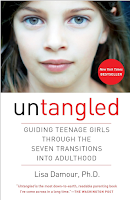
These books delve into the intricacies of teenage development, offering a deep dive into the psychological, social, and emotional changes that shape your teen's behavior. Titles such as “Untangled” by Lisa Damour illuminate the developmental milestones of girls during adolescence, unraveling the often-misunderstood dynamics of their emotional world. Meanwhile, “The Teenage Brain” by Frances E. Jensen provides valuable insights into the science behind teenage decision-making, helping parents understand the reasoning (or lack thereof) behind their teen’s actions.

Other noteworthy reads, like “How to Talk So Teens Will Listen and Listen So Teens Will Talk” by Adele Faber and Elaine Mazlish, equip parents with effective communication strategies that can bridge the gap between generations. These authors emphasize the importance of empathy and active listening, offering practical techniques to foster a supportive dialogue with your teen.

Understanding the complex world of adolescents and teens can be challenging for parents, but reading insightful literature can provide valuable perspectives and tools. Here are some highly recommended books that can help parents navigate teenage issues effectively:


"Yes, Your Teen is Crazy!" by Michael J. Bradley This engaging yet informative book is tailored specifically for parents of teenagers. Michael Bradley, a clinical psychologist, draws on his professional experience and humor to explain the psychological changes teens undergo. The book offers practical advice on how to communicate effectively with adolescents, understand their behavior, and establish healthy boundaries.


"The Teenage Brain: A Neuroscientist's Survival Guide to Raising Adolescents and Young Adults" by Frances E. Jensen This book, written by a neuroscientist, uncovers the biology behind adolescent behavior. Jensen explains how the teenage brain develops and why it leads to impulsivity, risk-taking, and emotional intensity. Understanding these factors can help parents approach their teenagers with empathy and informed strategies for support.


"The 7 Habits of Highly Effective Teens" by Sean Covey Although geared toward teens, this book provides parents with an understanding of valuable life principles and skills that can help teens navigate challenges. Covey offers insights into fostering responsibility and self-discipline, with practical advice that parents can also incorporate in family discussions.


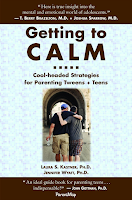
"Getting to Calm: Cool-Headed Strategies for Parenting Tweens + Teens" by Laura S. Kastner and Jennifer Wyatt This book focuses on developing emotional intelligence and self-regulation in both parents and teens. Kastner and Wyatt offer insights into managing conflict, fostering cooperation, and maintaining healthy relationships throughout the teen years. This resource encourages a proactive approach to parenting during this critical developmental stage.


"Raising An Emotionally Intelligent Child" by John Gottman In this book, Gottman explains the importance of emotional intelligence and offers parents strategies to help their teenagers understand and manage their emotions. Parents learn how to foster an environment that encourages emotional expression, leading to healthier relationships and resilience in challenging situations.


"Get Out of My Life, but First Could You Drive Me & Cheryl to the Mall?: A Parent's Guide to the New Teenager" by Anthony E. Wolf Wolf’s humorous yet practical approach to parenting teenagers offers insights into the dynamics of the parent-teen relationship. The book addresses common issues like independence, peer pressure, and the balance between providing support while allowing for growth.


"Daring Greatly" by Brené Brown While not exclusively about teens, Brown's work on vulnerability and courage can help parents understand the importance of emotional honesty and openness. This perspective can assist parents in fostering a supportive environment where teens feel safe to express themselves.


"The Gifts of Imperfection" by Brené Brown Similar to "Daring Greatly," this book focuses on embracing imperfections and cultivating self-worth. It teaches parents the importance of instilling a sense of worth in their teens, helping them navigate peer pressure and societal expectations confidently.


“Brainstorm: The Power and Purpose of the Teenage Brain” by Daniel J. Siegel Another insightful book by Siegel, “Brainstorm” dives deep into the neuroscience of the adolescent brain and sheds light on the dramatic changes happening during this critical period. By understanding how the teenage brain works, parents can gain insights into their teen's behavior, thoughts, and emotions, helping them respond with empathy and support.


“Raising Boys by Design: What the Bible and Brain Science Reveal About What Your Son Needs to Thrive” by Gregory L. Jantz and Michael Gurian This book combines practical advice with compelling research to offer insights into raising boys during their teenage years. Covering critical topics such as identity, masculinity, emotional health, and education, it provides parents with the tools to nurture their sons effectively.


Reading these books can empower parents with valuable perspectives and practical tools to approach the unique challenges of adolescence with confidence. They can promote open dialogue, deeper understanding, and stronger connections, helping both parents and teens navigate this vital stage of life successfully. Additionally, parents can share these insights with their adolescents, fostering a collaborative atmosphere that encourages growth and mutual understanding.


LitPick Parenting Blog Links
(Please share your own parenting recommendations under Comments.)


·    The Parenting Library: Building Your Personal Parenting Library...

·    The Parenting Library: Books for Expecting Parents

·    The Parenting Library: Books on Newborn Care

·    The Parenting Library: Understanding Child Development...

·    The Parenting Library: Classic Parenting Books Everyone Should Read...

·    The Parenting Library: Parenting Through the Toddler Years...

·    The Parenting Library: Essential Reads for Preschool Parenting...

·    The Parenting Library: Navigating the School Age Phase...

·    The Parenting Library: Chapter Book Suggestions

·    The Parenting Library: Recommended Fiction and Memoirs of Parenthood...

·    The Parenting Library: Parenting Books Focused on Health and Nutrition...

·    The Parenting Library: Navigating Special Needs Parenting...

·    The Parenting Library: Books on Positive Discipline Techniques...

·    The Parenting Library: The Importance of Emotional Intelligence Parenting...

·    The Parenting Library: Books on Teen Parenting and Adolescence...


Monday, August 26, 2024

The Parenting Library: Parenting Through the Toddler Years

Navigating the toddler years can feel like an exhilarating rollercoaster ride, filled with unexpected twists, turns, and the occasional loop-de-loop. This stage of development, typically ranging from ages one to three, is marked by immense growth and discovery, both for the child and the parent. With toddlers, every day is an adventure as they explore their world with boundless curiosity, often testing boundaries and asserting their independence in the process.


Books that focus on parenting during these formative years are invaluable resources for guiding you through the joys and challenges that arise. They equip you with strategies to handle tantrums, understand the importance of routines, and encourage effective communication. Titles such as "The Whole-Brain Child" by Daniel J. Siegel and Tina Payne Bryson delve into the science behind a toddler's developing brain, offering insights on how to nurture emotional intelligence and resilience.

Furthermore, engaging reads like "How to Talk So Little Kids Will Listen" by Joanna Faber and Julie King provide practical tips on fostering cooperation without resorting to power struggles. These books not only help you navigate the complexities of toddler behavior but also empower you to cherish the fleeting moments of this unique stage. As you read through these pages, you’ll find solace in the shared experiences of other parents and gain confidence in your ability to raise a happy, well-adjusted child. Embrace this chapter of parenthood with knowledge and compassion, and you'll find that even the toughest days can lead to beautiful memories.


""No-Drama Discipline" by Daniel J. Siegel and Tina Payne Bryson

In "No-Drama Discipline," authors Daniel J. Siegel and Tina Payne Bryson offer a refreshing perspective on parenting that emphasizes connection and understanding over conventional disciplinary measures. This insightful work delves into the science of child development, providing parents with practical strategies to approach discipline in a way that fosters emotional intelligence and strengthens the parent-child bond.

Siegel and Bryson argue that traditional methods of discipline often lead to power struggles and resentment, ultimately hindering a child's ability to learn from their mistakes. Instead, they advocate for a compassionate approach that focuses on guiding toddlers through their emotions and behaviors. The authors introduce the concept of "mindful discipline," which encourages parents to remain calm and present during challenging moments, allowing children to feel heard and understood.

Throughout the book, Siegel and Bryson outline the importance of recognizing a toddler's developmental stage, helping parents tailor their responses to their child's unique needs. They provide a wealth of relatable examples and actionable tips, such as using language that promotes problem-solving rather than punishment, and establishing routines that create a sense of security.

By reading "No-Drama Discipline," parents will not only gain valuable tools for managing challenging behaviors but also learn how to cultivate a nurturing environment where their toddlers can thrive emotionally and socially. This book is a must-read for those looking to navigate the tumultuous toddler years with empathy, patience, and a deeper understanding of their child's inner world.


"Elevating Child Care: A Guide to Respectful Parenting" by Janet Lansbury

In a world where parenting advice often feels overwhelming and contradictory, Janet Lansbury’s “Elevating Child Care” emerges as a beacon of clarity and compassion. This insightful book delves deep into the principles of respectful parenting, advocating for a child-centered approach that honors the individuality and inherent capabilities of toddlers. Lansbury, a well-respected figure in the realm of early childhood development, draws from her extensive experience as a parent and childcare provider to offer practical strategies that empower both parents and children.

What sets "Elevating Child Care" apart is its emphasis on building a strong, trusting relationship between parents and their toddlers. Lansbury encourages parents to observe their children closely, to listen to their needs, and to respond with empathy and understanding. The book is filled with real-life scenarios that illustrate how to navigate challenging behaviors with grace and respect, transforming potential power struggles into opportunities for connection and growth.

Each chapter is infused with Lansbury's gentle, yet firm, philosophy that encourages parents to set boundaries while fostering independence. Readers will find valuable insights on topics such as encouraging open communication, managing tantrums, and supporting toddlers in their quest for autonomy. The language is accessible and reassuring, making it easy for parents to grasp the concepts and apply them in their daily lives.

Furthermore, Lansbury's writing is peppered with anecdotes and practical tips that make the theoretical aspects of respectful parenting tangible and actionable. By the end of the book, parents will not only feel equipped with the tools to nurture their toddlers through the tumultuous early years but also inspired to embrace the beautiful, messy journey of parenthood with confidence and joy.

“Elevating Child Care” is more than just a parenting guide; it’s a heartfelt invitation to understand the world from a child’s perspective, fostering an environment where toddlers feel valued and respected. This book is a must-read for any parent looking to deepen their connection with their little ones while cultivating a harmonious family dynamic.


How These Books Can Change Your Parenting Approach

Understanding toddlers is no small feat, and the right literature can serve as a powerful tool to reshape your parenting approach. The books highlighted in this guide not only offer insights into toddler behavior but also provide practical strategies that can transform your interactions with your little one.

Imagine flipping through the pages of a book that explains why your toddler throws tantrums. Instead of viewing these meltdowns as mere defiance, you’ll learn to see them through a new lens—as a natural part of emotional development. With each chapter, you’ll gain a deeper understanding of your child’s evolving mind, allowing you to respond with empathy rather than frustration.

Moreover, these books encourage you to adopt a more nurturing approach, emphasizing positive reinforcement over punishment. You might discover techniques for setting boundaries that feel less like a power struggle and more like a collaborative effort between you and your child. This shift not only fosters a more harmonious household but also strengthens the parent-child bond, creating a foundation of trust that will last for years to come.

Additionally, the practical tips and real-life examples found within these pages can empower you to navigate the often turbulent waters of toddlerhood with confidence. Whether it's learning how to effectively communicate with your child or discovering new ways to engage their imagination, these books provide a roadmap for making your parenting journey more joyful and fulfilling.

Ultimately, reading these must-have books can ignite a transformative journey in your parenting style. They invite you to embrace the chaos of toddlerhood with open arms, equipping you with the knowledge and tools necessary to raise resilient, happy children. So dive in, and watch as your understanding of your toddler—and your approach to parenting—evolves in beautiful ways.


Conclusion: Nurturing a Better Relationship with Your Toddler

In conclusion, nurturing a better relationship with your toddler is a journey that requires patience, understanding, and a willingness to learn. The books we've explored in this guide offer invaluable insights into the complex world of toddler development, behavior, and emotions. By integrating the wisdom gained from these readings into your daily interactions, you can foster a deeper connection with your child and create a supportive environment for their growth.

Remember, toddlers are not just small children; they are curious explorers, emotional beings, and complex individuals in their own right. Each moment spent reading to them, engaging in play, or simply listening to their thoughts helps build a foundation of trust and love. As you implement the strategies and concepts from these must-read books, you’ll find that your relationship with your toddler blossoms into one of mutual respect and joy.

Embrace the chaos and cherish the little moments—each laugh, tantrum, and discovery is part of the beautiful tapestry of parenting. With the right knowledge and tools at your disposal, you can navigate the challenges of toddlerhood with confidence and grace, ensuring that your bond with your child is strong and resilient. Happy reading, and here’s to nurturing those precious relationships that will last a lifetime!


LitPick Parenting Blog Links
(Please share your own parenting recommendations under Comments.)


·    The Parenting Library: Building Your Personal Parenting Library...

·    The Parenting Library: Books for Expecting Parents

·    The Parenting Library: Books on Newborn Care

·    The Parenting Library: Understanding Child Development...

·    The Parenting Library: Classic Parenting Books Everyone Should Read...

·    The Parenting Library: Parenting Through the Toddler Years...

·    The Parenting Library: Essential Reads for Preschool Parenting...

·    The Parenting Library: Navigating the School Age Phase...

·    The Parenting Library: Chapter Book Suggestions

·    The Parenting Library: Recommended Fiction and Memoirs of Parenthood...

·    The Parenting Library: Parenting Books Focused on Health and Nutrition...

·    The Parenting Library: Navigating Special Needs Parenting...

·    The Parenting Library: Books on Positive Discipline Techniques...

·    The Parenting Library: The Importance of Emotional Intelligence Parenting...

·    The Parenting Library: Books on Teen Parenting and Adolescence...