Monday, August 26, 2024

The Parenting Library: Parenting Through the Toddler Years

Navigating the toddler years can feel like an exhilarating rollercoaster ride, filled with unexpected twists, turns, and the occasional loop-de-loop. This stage of development, typically ranging from ages one to three, is marked by immense growth and discovery, both for the child and the parent. With toddlers, every day is an adventure as they explore their world with boundless curiosity, often testing boundaries and asserting their independence in the process.


Books that focus on parenting during these formative years are invaluable resources for guiding you through the joys and challenges that arise. They equip you with strategies to handle tantrums, understand the importance of routines, and encourage effective communication. Titles such as "The Whole-Brain Child" by Daniel J. Siegel and Tina Payne Bryson delve into the science behind a toddler's developing brain, offering insights on how to nurture emotional intelligence and resilience.

Furthermore, engaging reads like "How to Talk So Little Kids Will Listen" by Joanna Faber and Julie King provide practical tips on fostering cooperation without resorting to power struggles. These books not only help you navigate the complexities of toddler behavior but also empower you to cherish the fleeting moments of this unique stage. As you read through these pages, you’ll find solace in the shared experiences of other parents and gain confidence in your ability to raise a happy, well-adjusted child. Embrace this chapter of parenthood with knowledge and compassion, and you'll find that even the toughest days can lead to beautiful memories.


""No-Drama Discipline" by Daniel J. Siegel and Tina Payne Bryson

In "No-Drama Discipline," authors Daniel J. Siegel and Tina Payne Bryson offer a refreshing perspective on parenting that emphasizes connection and understanding over conventional disciplinary measures. This insightful work delves into the science of child development, providing parents with practical strategies to approach discipline in a way that fosters emotional intelligence and strengthens the parent-child bond.

Siegel and Bryson argue that traditional methods of discipline often lead to power struggles and resentment, ultimately hindering a child's ability to learn from their mistakes. Instead, they advocate for a compassionate approach that focuses on guiding toddlers through their emotions and behaviors. The authors introduce the concept of "mindful discipline," which encourages parents to remain calm and present during challenging moments, allowing children to feel heard and understood.

Throughout the book, Siegel and Bryson outline the importance of recognizing a toddler's developmental stage, helping parents tailor their responses to their child's unique needs. They provide a wealth of relatable examples and actionable tips, such as using language that promotes problem-solving rather than punishment, and establishing routines that create a sense of security.

By reading "No-Drama Discipline," parents will not only gain valuable tools for managing challenging behaviors but also learn how to cultivate a nurturing environment where their toddlers can thrive emotionally and socially. This book is a must-read for those looking to navigate the tumultuous toddler years with empathy, patience, and a deeper understanding of their child's inner world.


"Elevating Child Care: A Guide to Respectful Parenting" by Janet Lansbury

In a world where parenting advice often feels overwhelming and contradictory, Janet Lansbury’s “Elevating Child Care” emerges as a beacon of clarity and compassion. This insightful book delves deep into the principles of respectful parenting, advocating for a child-centered approach that honors the individuality and inherent capabilities of toddlers. Lansbury, a well-respected figure in the realm of early childhood development, draws from her extensive experience as a parent and childcare provider to offer practical strategies that empower both parents and children.

What sets "Elevating Child Care" apart is its emphasis on building a strong, trusting relationship between parents and their toddlers. Lansbury encourages parents to observe their children closely, to listen to their needs, and to respond with empathy and understanding. The book is filled with real-life scenarios that illustrate how to navigate challenging behaviors with grace and respect, transforming potential power struggles into opportunities for connection and growth.

Each chapter is infused with Lansbury's gentle, yet firm, philosophy that encourages parents to set boundaries while fostering independence. Readers will find valuable insights on topics such as encouraging open communication, managing tantrums, and supporting toddlers in their quest for autonomy. The language is accessible and reassuring, making it easy for parents to grasp the concepts and apply them in their daily lives.

Furthermore, Lansbury's writing is peppered with anecdotes and practical tips that make the theoretical aspects of respectful parenting tangible and actionable. By the end of the book, parents will not only feel equipped with the tools to nurture their toddlers through the tumultuous early years but also inspired to embrace the beautiful, messy journey of parenthood with confidence and joy.

“Elevating Child Care” is more than just a parenting guide; it’s a heartfelt invitation to understand the world from a child’s perspective, fostering an environment where toddlers feel valued and respected. This book is a must-read for any parent looking to deepen their connection with their little ones while cultivating a harmonious family dynamic.


How These Books Can Change Your Parenting Approach

Understanding toddlers is no small feat, and the right literature can serve as a powerful tool to reshape your parenting approach. The books highlighted in this guide not only offer insights into toddler behavior but also provide practical strategies that can transform your interactions with your little one.

Imagine flipping through the pages of a book that explains why your toddler throws tantrums. Instead of viewing these meltdowns as mere defiance, you’ll learn to see them through a new lens—as a natural part of emotional development. With each chapter, you’ll gain a deeper understanding of your child’s evolving mind, allowing you to respond with empathy rather than frustration.

Moreover, these books encourage you to adopt a more nurturing approach, emphasizing positive reinforcement over punishment. You might discover techniques for setting boundaries that feel less like a power struggle and more like a collaborative effort between you and your child. This shift not only fosters a more harmonious household but also strengthens the parent-child bond, creating a foundation of trust that will last for years to come.

Additionally, the practical tips and real-life examples found within these pages can empower you to navigate the often turbulent waters of toddlerhood with confidence. Whether it's learning how to effectively communicate with your child or discovering new ways to engage their imagination, these books provide a roadmap for making your parenting journey more joyful and fulfilling.

Ultimately, reading these must-have books can ignite a transformative journey in your parenting style. They invite you to embrace the chaos of toddlerhood with open arms, equipping you with the knowledge and tools necessary to raise resilient, happy children. So dive in, and watch as your understanding of your toddler—and your approach to parenting—evolves in beautiful ways.


Conclusion: Nurturing a Better Relationship with Your Toddler

In conclusion, nurturing a better relationship with your toddler is a journey that requires patience, understanding, and a willingness to learn. The books we've explored in this guide offer invaluable insights into the complex world of toddler development, behavior, and emotions. By integrating the wisdom gained from these readings into your daily interactions, you can foster a deeper connection with your child and create a supportive environment for their growth.

Remember, toddlers are not just small children; they are curious explorers, emotional beings, and complex individuals in their own right. Each moment spent reading to them, engaging in play, or simply listening to their thoughts helps build a foundation of trust and love. As you implement the strategies and concepts from these must-read books, you’ll find that your relationship with your toddler blossoms into one of mutual respect and joy.

Embrace the chaos and cherish the little moments—each laugh, tantrum, and discovery is part of the beautiful tapestry of parenting. With the right knowledge and tools at your disposal, you can navigate the challenges of toddlerhood with confidence and grace, ensuring that your bond with your child is strong and resilient. Happy reading, and here’s to nurturing those precious relationships that will last a lifetime!


LitPick Parenting Blog Links
(Please share your own parenting recommendations under Comments.)


·    The Parenting Library: Building Your Personal Parenting Library...

·    The Parenting Library: Books for Expecting Parents

·    The Parenting Library: Books on Newborn Care

·    The Parenting Library: Understanding Child Development...

·    The Parenting Library: Classic Parenting Books Everyone Should Read...

·    The Parenting Library: Parenting Through the Toddler Years...

·    The Parenting Library: Essential Reads for Preschool Parenting...

·    The Parenting Library: Navigating the School Age Phase...

·    The Parenting Library: Chapter Book Suggestions

·    The Parenting Library: Recommended Fiction and Memoirs of Parenthood...

·    The Parenting Library: Parenting Books Focused on Health and Nutrition...

·    The Parenting Library: Navigating Special Needs Parenting...

·    The Parenting Library: Books on Positive Discipline Techniques...

·    The Parenting Library: The Importance of Emotional Intelligence Parenting...

·    The Parenting Library: Books on Teen Parenting and Adolescence...


The Parenting Library: Understanding Child Development Theories

Childhood is a wondrous journey filled with exploration, learning, and profound transformation. Understanding the intricate layers of child development can be both fascinating and essential for parents, educators, and caregivers alike. As we strive to nurture the next generation, it becomes crucial to grasp the theories that underpin a child's growth, emotional well-being, and cognitive abilities. In this blog post, we will delve into five exceptional books that unlock the secrets of child development theories. Each selection offers invaluable insights, backed by research and real-world applications, allowing you to foster a deeper understanding of how children think, feel, and learn. Whether you are seeking to enhance your parenting skills, enrich your teaching practices, or simply satisfy a curiosity about the minds of young ones, these literary gems will equip you with the knowledge needed to support and celebrate the remarkable journey of childhood. Join us as we explore these transformative texts that will illuminate the path toward mastering child development theories!


Introduction to Child Development Theories

Child development theories serve as the foundation for understanding how children grow, learn, and interact with the world around them. They offer valuable insights into the emotional, cognitive, and social milestones that define childhood, allowing caregivers, educators, and researchers to better comprehend the complex tapestry of a child’s development. From the early stages of infancy to the pivotal transitions of adolescence, these theories illuminate the processes that shape a child's identity, behavior, and potential.

In this blog post, we will explore the top five books that delve into child development theories, each offering a unique perspective that enriches our understanding of this dynamic field. From the pioneering work of developmental psychologists like Jean Piaget and Erik Erikson to the groundbreaking insights of contemporary researchers, these books provide a comprehensive overview of the various frameworks that inform child development today. Whether you are a parent seeking to nurture your child's growth, an educator aiming to create effective learning environments, or a student of psychology looking to deepen your knowledge, these texts will serve as invaluable resources.

As we unlock the secrets of childhood through these influential works, we will also discover how these theories can be applied in everyday situations, enhancing our approaches to parenting and education. Join us on this journey to master child development theories and gain a deeper appreciation for the incredible journey of growing up.


Overview of Key Child Development Theories

Understanding child development theories is essential for anyone invested in the growth and nurturing of young minds. These theories provide foundational insights into how children learn, behave, and interact with the world around them. In this section, we’ll delve into some of the most influential theories that have shaped our understanding of child development, offering a roadmap for parents, educators, and caregivers alike.

First, let’s explore **Jean Piaget’s Cognitive Development Theory**, which outlines how children progress through distinct stages of mental development. Piaget emphasized that children are not simply passive recipients of knowledge; instead, they actively construct their understanding of the world through experiences. His four stages—sensorimotor, preoperational, concrete operational, and formal operational—illustrate how children’s thinking evolves from a focus on immediate experiences to more abstract reasoning.

Next, we have **Lev Vygotsky’s Sociocultural Theory**, which highlights the critical role of social interaction in learning. Vygotsky believed that cognitive development is deeply embedded in cultural and social contexts, emphasizing the importance of language and collaboration in the learning process. His concept of the “Zone of Proximal Development” underscores how children can achieve higher levels of understanding with the guidance of more knowledgeable others, such as parents and educators.

Another significant theory is **Erik Erikson’s Psychosocial Development Theory**, which outlines eight stages of human development from infancy to adulthood. Each stage presents a unique conflict that individuals must navigate to foster a healthy personality and social skills. Understanding these stages can help caregivers provide the right support and encouragement, allowing children to develop a strong sense of identity and emotional well-being.

Then, we have **Attachment Theory**, pioneered by John Bowlby and Mary Ainsworth. This theory posits that the bonds formed between children and their primary caregivers have a profound impact on their emotional and social development. Secure attachments lead to healthier relationships and improved resilience, while insecure attachments may result in difficulties later in life. Recognizing the importance of fostering a loving, responsive environment can significantly influence a child's development trajectory.

Finally, we cannot overlook **Albert Bandura’s Social Learning Theory**, which emphasizes the role of observation and imitation in learning. Bandura’s work demonstrates that children learn behaviors not only through direct experience but also by watching others. This theory has profound implications for parenting and teaching, as it highlights the importance of modeling positive behaviors and providing a rich, engaging environment for children to observe and learn from.

By familiarizing yourself with these key child development theories, you can gain valuable insights into the various factors that influence a child's growth. Each theory offers a unique lens through which to view development, providing practical strategies to create supportive environments that foster learning, resilience, and emotional well-being. As you continue your journey through the world of child development, these foundational theories will serve as indispensable tools in unlocking the potential of every child.


Book 1: "The Whole-Brain Child" by Daniel J. Siegel and Tina Payne Bryson

In "The Whole-Brain Child," authors Daniel J. Siegel and Tina Payne Bryson weave together the intricate tapestry of neuroscience and child development, offering parents and educators a groundbreaking perspective on nurturing kids' emotional and intellectual growth. This insightful book presents twelve key strategies that promote healthy brain development, enabling children to become more resilient and emotionally intelligent.

At the heart of the book is the concept of integrating different parts of the brain to foster a well-rounded and harmonious approach to parenting. Siegel and Bryson explain how the left and right hemispheres of the brain, along with the upstairs and downstairs regions, play distinct roles in a child’s behavior and emotional regulation. By understanding these functions, caregivers can better respond to a child’s needs, helping them navigate their feelings and interactions with the world around them.

Through relatable anecdotes and practical advice, the authors illustrate how parents can apply these strategies in everyday situations. For instance, they emphasize the importance of storytelling to encourage emotional expression, as well as the benefits of play to stimulate cognitive development. Each chapter not only provides actionable tips but also breaks down complex scientific concepts into digestible, relatable language, making it accessible to all readers.

"The Whole-Brain Child" is more than just a guide; it’s a blueprint for fostering a child's growth in a holistic manner. By mastering the insights shared in this book, parents and caregivers can create an environment that nurtures emotional intelligence, promotes resilience, and ultimately unlocks the full potential of every child. Whether you’re a new parent or a seasoned educator, this essential read will equip you with the tools you need to support the development of young minds in a meaningful way.


Book 2: "Infants, Children, and Adolescents" by Laura E. Berk

"Child Development" by Laura E. Berk is a cornerstone text that provides a thorough exploration of the intricate processes of childhood growth and learning. Renowned for its comprehensive approach, this book delves deep into the biological, cognitive, and social aspects of child development, making it an essential resource for educators, parents, and anyone interested in understanding the complexities of growing minds.

What sets Berk's work apart is her ability to weave together theoretical frameworks with practical applications. She skillfully integrates research findings with real-world examples, enabling readers to grasp how various developmental theories manifest in everyday situations. From the early stages of attachment to the emergence of complex social skills, Berk covers each phase with clarity and insight, ensuring that readers appreciate the nuances of child growth.

The book is laden with rich illustrations, case studies, and engaging anecdotes that bring the material to life. Berk’s accessible writing style makes complex theories digestible, empowering readers to apply these concepts in nurturing environments.

Additionally, Berk emphasizes the importance of cultural context in child development, encouraging readers to consider how diverse backgrounds influence growth trajectories. This perspective is particularly valuable in today’s globalized world, where understanding the interplay between culture and development is crucial.

Overall, "Child Development" by Laura E. Berk stands out not just as an academic text but as a heartfelt guide to nurturing the potential of every child. Whether you’re a student, a practitioner, or a parent seeking to better understand your child, this book is a treasure trove of knowledge that will enrich your journey through the fascinating landscape of child development.


Book 3: "Theories of Childhood" by Carol Garhart Mooney

Carol Garhart Mooney's "Theories of Childhood" serves as an essential cornerstone for understanding the intricate landscape of child development theories. This book is more than just a collection of ideas; it is a thoughtful exploration into the minds of the great theorists who have shaped our understanding of how children grow, learn, and interact with the world around them.

Mooney artfully distills complex concepts into digestible insights, making this a valuable resource for both educators and parents. The book delves into the foundational theories proposed by luminaries such as Jean Piaget, Lev Vygotsky, Erik Erikson, and Maria Montessori, presenting their ideas with clarity and relevance. Mooney not only outlines their theories but also contextualizes them within contemporary practices, allowing readers to see the practical applications in real-life settings.

One of the standout features of "Theories of Childhood" is its engaging narrative style. Mooney weaves anecdotes and case studies throughout, bringing the theories to life with vivid examples of how they manifest in children's everyday experiences. This approach makes it easier for readers to connect with the material, fostering a deeper understanding of the developmental milestones that shape a child's journey.

Moreover, the book encourages critical thinking by prompting readers to reflect on how these theories can inform their own practices, whether in the classroom, at home, or in community settings. Mooney emphasizes the importance of a holistic view of child development, integrating social, emotional, cognitive, and physical dimensions.

In a world where child development theories can often feel overwhelming or distant, "Theories of Childhood" serves as a guiding light. It invites educators, parents, and caregivers to embrace the rich tapestry of childhood development while equipping them with the knowledge to nurture and support the unique paths of the children in their care. This book is an indispensable tool for anyone looking to unlock the secrets of childhood and build a nurturing environment for future generations.


Book 4: "Developmentally Appropriate Practice" by Carol Copple and Sue Bredekamp

"Developmentally Appropriate Practice," authored by Carol Copple and Sue Bredekamp, is an essential read for anyone looking to deepen their understanding of child development theories and their practical applications in educational settings. This influential book is grounded in the belief that effective teaching must be tailored to fit the developmental stages and individual needs of children.

Copple and Bredekamp expertly weave together research-based insights with real-world examples, making complex theories accessible and relevant for educators, parents, and caregivers alike. The authors outline the principles of developmentally appropriate practice (DAP) and emphasize the importance of creating a nurturing and stimulating environment that fosters children's holistic growth—socially, emotionally, physically, and cognitively.

One of the standout features of this book is its practical guidance on curriculum planning, classroom management, and assessment strategies that resonate with both early childhood educators and those working with older children. The authors provide practical tools and frameworks to help educators design engaging learning experiences that respect children's unique developmental trajectories.

Moreover, the book addresses the critical role of cultural and familial contexts in shaping a child’s learning journey, encouraging readers to consider diversity and inclusivity in their approaches. Whether you're an aspiring teacher, a seasoned educator, or a parent seeking to understand the intricacies of child development, "Developmentally Appropriate Practice" is a treasure trove of knowledge that equips you with the tools to support every child's growth in a meaningful and impactful way. This book not only empowers practitioners but also ignites a passion for nurturing the next generation with understanding and compassion.


Book 5: "Mind in the Making" by Ellen Galinsky

Ellen Galinsky’s "Mind in the Making" is a transformative exploration of the essential life skills that every child needs to develop into a competent and confident adult. Drawing on over a decade of research, Galinsky distills her findings into seven critical life skills, including focus and self-control, perspective-taking, and critical thinking. Each skill is not only vital for academic success but also for fostering healthy relationships and emotional resilience.

Galinsky’s approachable writing style makes complex theories accessible to parents, educators, and anyone interested in child development. The book is rich with real-life examples and practical strategies that empower caregivers to nurture these skills in children from an early age. Whether you’re a parent looking to enhance your child's learning experience at home or a teacher seeking effective classroom techniques, "Mind in the Making" offers a treasure trove of insights.

One of the standout features of this book is its emphasis on the role of everyday interactions in a child’s development. Galinsky illustrates how simple moments—like a family dinner or a walk in the park—can be leveraged to teach critical skills that build a child’s cognitive and emotional toolkit. The engaging anecdotes and research-backed advice encourage readers to view every experience as an opportunity for learning.

Galinsky also delves into the neuroscience behind these skills, explaining how the brain develops and how various environments can influence this growth. This scientific grounding gives readers a deeper understanding of why these skills matter, making the message not just compelling but also urgent.

In a world where children are often overwhelmed by distractions and information overload, "Mind in the Making" stands as a beacon for fostering focus, nurturing curiosity, and cultivating a lifelong love of learning. This book is a must-read for anyone passionate about unlocking the full potential of the next generation. By understanding and applying the principles laid out in Galinsky's work, caregivers can help shape well-rounded individuals who thrive in all aspects of life.


Practical Applications of Child Development Theories

Understanding child development theories is one thing, but translating that knowledge into practical applications is where the real magic happens. This section will explore how these theories can be effectively integrated into daily interactions with children, enriching both their learning experiences and your teaching methods.

First, consider the theories of Jean Piaget, who emphasized the importance of hands-on learning. By creating engaging, interactive environments that allow children to explore and manipulate their surroundings, you can foster their cognitive development. Simple activities like building with blocks, conducting science experiments, or playing pretend can help children actively construct their understanding of the world around them.

Next, apply Lev Vygotsky’s concept of the “Zone of Proximal Development” (ZPD) to your interactions. This theory highlights the importance of social interaction in learning. Encourage collaboration among children and provide guided support to help them tackle challenges just beyond their current abilities. For instance, using small group activities can not only enhance social skills but also lead to deeper understanding as children learn from one another.

Additionally, consider Erik Erikson’s stages of psychosocial development when addressing children's emotional and social needs. Recognizing the specific challenges children face at different ages can help you provide appropriate support. For example, during the preschool years, fostering a sense of initiative through creative activities can empower children and build their confidence, while in later stages, encouraging independence through responsibility can be crucial.

Lastly, integrating elements from Howard Gardner’s theory of multiple intelligences can greatly enhance your approach. By recognizing that children have different strengths—whether they be linguistic, logical-mathematical, spatial, or interpersonal—you can tailor your teaching strategies. Offering varied activities that cater to these different intelligences ensures that each child can engage in a way that resonates with them, fostering a love for learning.

By applying these child development theories in practical ways, you can create a nurturing environment that supports growth, curiosity, and resilience in children. Not only do these methods enhance learning outcomes, but they also strengthen the bond between you and the child, creating a rich tapestry of development that lasts a lifetime.


Integrating Theory into Everyday Interactions with Children

Integrating theory into everyday interactions with children is essential for both caregivers and educators seeking to foster optimal development. It’s not just about reading and understanding the theories; it’s about putting them into practice in the real world. The key lies in recognizing that every moment spent with a child is an opportunity for learning and growth.

Start by observing how children interact with their environment. For instance, when a toddler is building a tower with blocks, they are not just playing; they are experimenting with concepts of balance, gravity, and spatial awareness—principles rooted in Piaget’s cognitive development theory. By engaging with them during this process—asking questions like, “What happens if we add more blocks?” or “Can you make it taller without it falling?”—you encourage critical thinking and problem-solving skills.

Additionally, consider the emotional dimensions of child development theories, particularly those proposed by Erik Erikson. Each stage of development presents unique challenges and opportunities for growth. For example, during the “autonomy vs. shame and doubt” stage, toddlers may resist help when learning to dress themselves. Instead of stepping in too early, provide gentle encouragement and praise their efforts. This approach not only fosters independence but reinforces their self-esteem, aligning perfectly with Erikson’s principles.

Incorporating Vygotsky’s social development theory also proves valuable. Create opportunities for collaborative play where children can learn from one another through guided participation. Whether it’s through group activities like building a fort or sharing art supplies, facilitating interactions among peers allows them to develop social skills, language, and empathy.

Lastly, don’t underestimate the power of storytelling and play as tools for integrating theory into daily life. Reading books that reflect developmental concepts can spark conversations and insights. By discussing characters’ feelings and decisions, children can better understand their own emotions and the world around them. Similarly, role-playing scenarios can help them navigate complex social situations, reinforcing lessons from various developmental theories.

In essence, integrating child development theories into everyday interactions is about being intentional and mindful. By weaving these principles into the fabric of daily life, caregivers and educators can create rich, meaningful experiences that not only enhance understanding but also nurture well-rounded, resilient children.


Conclusion: The Impact of Mastering Child Development Theories

In conclusion, mastering child development theories is not just an academic exercise; it is a transformative journey that can profoundly shape the way we understand and interact with children. The insights gained from studying these foundational concepts empower parents, educators, and caregivers alike to foster healthier, more supportive environments for children to thrive.

As we explored the top five books, each one illuminates different facets of child development, offering valuable perspectives that resonate with real-world experiences. From the cognitive milestones articulated by Jean Piaget to the socio-emotional insights provided by Erik Erikson, these theories serve as guiding lights, helping us navigate the complexities of childhood.

The impact of these theories extends far beyond the pages of a book. By understanding the stages of development, we can tailor our approaches to meet children where they are, addressing their unique needs and fostering their growth. Whether it’s through enhancing communication, supporting emotional intelligence, or creating engaging learning environments, the principles derived from these theories can lead to more effective parenting and teaching strategies.

Moreover, as we cultivate a deeper understanding of childhood development, we create a ripple effect that benefits not just individual children, but society as a whole. In nurturing the next generation, we contribute to a future where children are not only educated but also emotionally resilient and socially adept.

So, as you embark on your journey through these essential texts, remember that mastering child development theories is an investment in the future—one that holds the potential to unlock the full potential of every child. Embrace the knowledge, apply the insights, and watch as you make a lasting impact on the lives of children in your care.


LitPick Parenting Blog Links
(Please share your own parenting recommendations under Comments.)


·    The Parenting Library: Building Your Personal Parenting Library...

·    The Parenting Library: Books for Expecting Parents

·    The Parenting Library: Books on Newborn Care

·    The Parenting Library: Understanding Child Development...

·    The Parenting Library: Classic Parenting Books Everyone Should Read...

·    The Parenting Library: Parenting Through the Toddler Years...

·    The Parenting Library: Essential Reads for Preschool Parenting...

·    The Parenting Library: Navigating the School Age Phase...

·    The Parenting Library: Chapter Book Suggestions

·    The Parenting Library: Recommended Fiction and Memoirs of Parenthood...

·    The Parenting Library: Parenting Books Focused on Health and Nutrition...

·    The Parenting Library: Navigating Special Needs Parenting...

·    The Parenting Library: Books on Positive Discipline Techniques...

·    The Parenting Library: The Importance of Emotional Intelligence Parenting...

·    The Parenting Library: Books on Teen Parenting and Adolescence...


Sunday, August 25, 2024

The Parenting Library: Building Your Personal Parenting Library

Embarking on the journey of parenthood is one of life’s most rewarding yet challenging experiences, filled with moments of joy, uncertainty, and an ever-evolving sense of responsibility. As new parents find themselves navigating the complexities of child-rearing, the right guidance can make all the difference. Enter "The Parenting Library," a curated collection of must-read books that offer insights, strategies, and emotional support for every stage of parenting. From understanding the intricacies of infant care to fostering healthy communication with teenagers, these invaluable resources provide wisdom from seasoned experts and relatable experiences from fellow parents. Join us in our blog posts as we explore these transformative titles that promise to empower, educate, and inspire you on your unique parenting journey, ensuring you feel equipped to tackle the challenges and celebrate the triumphs that lie ahead.


Introduction to the Parenting Library

Welcome to "The Parenting Library," your essential guide to navigating the beautiful yet challenging journey of parenthood. As every parent knows, the path of raising children is filled with moments of joy, uncertainty, and profound learning. Books can serve as invaluable companions during this voyage, offering insights, strategies, and comforting words from those who have walked this path before us.

In this curated collection, we delve into must-read titles that cover a spectrum of parenting topics, from the early days of sleepless nights with a newborn to the tumultuous teenage years. Each book is a treasure trove of knowledge, providing practical advice, emotional support, and a sense of community for parents at any stage.

Whether you’re seeking guidance on child development, exploring the intricacies of discipline, or looking for ways to nurture your child's creativity, our selection will empower you with the tools you need to foster a loving and supportive environment. With the right resources at your fingertips, you can approach each challenge with confidence and grace. Join us as we explore these indispensable reads that promise to enrich your parenting experience and help you cultivate a deep, lasting bond with your children. Welcome to the journey—let’s dive into the world of parenting literature together!

As we explore essential parenting literature, it’s clear that creating your personal parenting library is not just about amassing books; it’s about curating a collection that resonates with your unique journey as a parent. Each title has the potential to enrich your understanding, provide reassurance during challenging times, and inspire fresh perspectives on the ever-evolving landscape of parenthood.

Consider this library a living entity, one that will grow and change alongside you and your children. Start by selecting a few key titles that speak to your current parenting stage, whether it's navigating sleepless nights with a newborn or tackling the complexities of adolescence. Don’t hesitate to revisit books as your children grow; what may have seemed irrelevant in the early years can take on new meaning during the teenage years.

Engage with your community as well – share recommendations, swap books with fellow parents, or even participate in a local parenting book club. This collaborative approach not only enriches your library but also fosters connections with others who are walking a similar path.

Lastly, remember that the beauty of parenting literature lies in its diversity. Embrace books that challenge your viewpoints, introduce new ideas, and offer strategies outside of your comfort zone. By building a robust and varied personal parenting library, you’re equipping yourself with the tools to navigate the joys and trials of parenthood with confidence and grace. Happy reading!


LitPick Parenting Blog Links
(Please share your own parenting recommendations under Comments.)


·    The Parenting Library: Building Your Personal Parenting Library...

·    The Parenting Library: Books for Expecting Parents

·    The Parenting Library: Books on Newborn Care

·    The Parenting Library: Understanding Child Development...

·    The Parenting Library: Classic Parenting Books Everyone Should Read...

·    The Parenting Library: Parenting Through the Toddler Years...

·    The Parenting Library: Essential Reads for Preschool Parenting...

·    The Parenting Library: Navigating the School Age Phase...

·    The Parenting Library: Chapter Book Suggestions

·    The Parenting Library: Recommended Fiction and Memoirs of Parenthood...

·    The Parenting Library: Parenting Books Focused on Health and Nutrition...

·    The Parenting Library: Navigating Special Needs Parenting...

·    The Parenting Library: Books on Positive Discipline Techniques...

·    The Parenting Library: The Importance of Emotional Intelligence Parenting...

·    The Parenting Library: Books on Teen Parenting and Adolescence...


The Parenting Library: Books on Newborn Care

Welcoming a newborn into your life is a beautiful adventure, but it can also be overwhelming. The good news is that there’s a wealth of knowledge available in the form of books, specifically designed to guide you through those crucial early days. Here are some of the best books on newborn care that every new parent should consider adding to their library.

** "The Happiest Baby on the Block" by Dr. Harvey Karp** This classic is a must-read for any new parent. Dr. Karp introduces the concept of the "fourth trimester," emphasizing the need to replicate the womb environment to soothe your newborn. With practical techniques such as the “5 S’s” (swaddling, side/stomach position, shushing, swinging, and sucking), this book provides effective strategies to help calm even the fussiest babies and promote better sleep.

**"What to Expect the First Year" by Heidi Murkoff and Sharon Mazel** Part of the beloved "What to Expect" series, this comprehensive guide is packed with invaluable information on everything from feeding and sleeping to developmental milestones and health concerns. Each month is broken down with clear advice and practical tips, making it easy for parents to navigate the first year with confidence and support.

**"Baby 411: Clear Answers and Smart Advice for Your Baby's First Year" by Denise Fields and Alan Fields** This book serves as an all-in-one resource for new parents seeking straightforward answers to common questions. Covering topics such as feeding, sleep, and health, “Baby 411” presents evidence-based advice that is easy to digest. The authors’ warm and reassuring tone helps alleviate worries and empowers parents to make informed decisions.

**"Bringing Up Bébé: One American Mother Discovers the Wisdom of French Parenting" by Pamela Druckerman** While not a traditional newborn care book, this insightful read explores the differences in parenting styles between Americans and the French. Druckerman shares her experiences living in Paris and offers valuable lessons on raising a well-rounded child, emphasizing the importance of establishing boundaries, encouraging independence, and fostering a healthy relationship with food—insights that can benefit new parents navigating the early days.

These books not only provide practical advice but also offer reassurance during a time filled with uncertainty. Whether you’re looking for calming techniques, developmental guidance, or general newborn care tips, these must-reads will equip you with the knowledge and confidence to embrace your parenting journey. With each turn of the page, you’ll find yourself better prepared to nurture and cherish those precious early moments with your newborn.


LitPick Parenting Blog Links
(Please share your own parenting recommendations under Comments.)


·    The Parenting Library: Building Your Personal Parenting Library...

·    The Parenting Library: Books for Expecting Parents

·    The Parenting Library: Books on Newborn Care

·    The Parenting Library: Understanding Child Development...

·    The Parenting Library: Classic Parenting Books Everyone Should Read...

·    The Parenting Library: Parenting Through the Toddler Years...

·    The Parenting Library: Essential Reads for Preschool Parenting...

·    The Parenting Library: Navigating the School Age Phase...

·    The Parenting Library: Recommended Fiction and Memoirs of Parenthood...

·    The Parenting Library: Parenting Books Focused on Health and Nutrition...

·    The Parenting Library: Navigating Special Needs Parenting...

·    The Parenting Library: Books on Positive Discipline Techniques...

·    The Parenting Library: The Importance of Emotional Intelligence Parenting...

·    The Parenting Library: Books on Teen Parenting and Adolescence...


The Parenting Library: Essential Reads for Preschool Parenting

Preschool parenting is a delightful yet challenging phase, filled with curiosity, exploration, and the occasional tantrum. To navigate this formative time, having the right resources at your fingertips can make all the difference. Here are some essential reads that not only offer practical advice but also inspire confidence and joy in your parenting journey.


**“Simplicity Parenting” by Kim John Payne and Lisa M. Ross** In a world filled with overstimulation, Payne and Ross advocate for a simpler, more intentional approach to parenting. This book provides guidance on decluttering not just physical spaces but also emotional landscapes, allowing children to thrive in an environment that fosters creativity and imagination. Their practical tips on simplifying schedules, toys, and even relationships can lead to a more peaceful parenting experience, enabling you to focus on what truly matters.

**“The Whole-Brain Child” by Daniel J. Siegel and Tina Payne Bryson** This insightful book delves into the workings of a child's brain and how understanding their development can enhance your parenting approach. Siegel and Bryson provide strategies for nurturing your child's emotional intelligence and promoting healthy brain development, all while fostering a strong parent-child connection. Their practical tips make complex neuroscience accessible, empowering you to respond to your preschooler's needs with love and insight.

**“How to Talk So Little Kids Will Listen” by Joanna Faber and Julie King** Communication can sometimes feel like deciphering a secret code when dealing with preschoolers. Faber and King offer invaluable techniques for effective dialogue with young children, helping you navigate everyday challenges—from sharing toys to managing emotions. Their relatable anecdotes and actionable strategies will equip you with the skills to foster cooperation and encourage open conversations, making everyday interactions more harmonious.

**“No-Drama Discipline” by Daniel J. Siegel and Tina Payne Bryson** Discipline in the preschool years can be tricky, but this book offers a compassionate approach to guiding your child’s behavior without the drama. Siegel and Bryson emphasize the importance of connection and understanding in the discipline process, providing tools that help you teach boundaries while nurturing a loving relationship. Their methods promote long-term emotional growth, making discipline a teachable moment rather than a power struggle.

Each of these titles offers a unique perspective and valuable insights into the world of preschool parenting. By incorporating the wisdom found within their pages, you’ll be better equipped to support your child’s growth while enjoying this magical stage of their development. As you embark on this journey, remember that every challenge is an opportunity for connection, learning, and love. Happy reading!


LitPick Parenting Blog Links
(Please share your own parenting recommendations under Comments.)


·    The Parenting Library: Building Your Personal Parenting Library...

·    The Parenting Library: Books for Expecting Parents

·    The Parenting Library: Books on Newborn Care

·    The Parenting Library: Understanding Child Development...

·    The Parenting Library: Classic Parenting Books Everyone Should Read...

·    The Parenting Library: Parenting Through the Toddler Years...

·    The Parenting Library: Essential Reads for Preschool Parenting...

·    The Parenting Library: Navigating the School Age Phase...

·    The Parenting Library: Chapter Book Suggestions

·    The Parenting Library: Recommended Fiction and Memoirs of Parenthood...

·    The Parenting Library: Parenting Books Focused on Health and Nutrition...

·    The Parenting Library: Navigating Special Needs Parenting...

·    The Parenting Library: Books on Positive Discipline Techniques...

·    The Parenting Library: The Importance of Emotional Intelligence Parenting...

·    The Parenting Library: Books on Teen Parenting and Adolescence...


The Parenting Library: Books for Expecting Parents

The journey of parenthood begins long before the arrival of your little one, and for expecting parents, preparing for this transformative experience can feel both exhilarating and overwhelming. Books tailored for those anticipating their first child provide invaluable insights, practical advice, and emotional support, setting the foundation for a confident parenting journey.

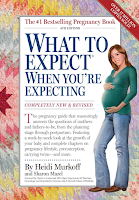
One standout title is "What to Expect When You're Expecting" by Heidi Murkoff and Sharon Mazel. This classic guide has been a trusted companion for millions of parents, offering month-by-month updates on the changes happening in the mother’s body, as well as tips for navigating the various stages of pregnancy. Its approachable tone and comprehensive coverage ensure that parents feel informed and prepared for the road ahead.

Another essential read is "The Expecting Father" by Armin A. Brott and Jennifer Ash.
This book takes a unique perspective, focusing on the father’s experience during pregnancy. Brott’s engaging writing style addresses the emotional and practical aspects of fatherhood, helping dads-to-be feel more connected and involved. With chapters that cover everything from prenatal care to preparing for the baby’s arrival, this book empowers fathers to embrace their new roles with confidence.

For those seeking a more holistic approach, "Mindful Parenting: Large-Hearted Parenting" by Kristen Race offers a thoughtful exploration of how mindfulness can enhance the parenting experience. It encourages expecting parents to cultivate awareness and presence during this pivotal time, helping them manage stress and foster a deeper connection with their unborn child.

Lastly, "Baby 411: Clear Answers & Smart Advice for Your Baby's First Year" by Denise Fields and Alan Fields serves as a practical reference guide for new parents. Packed with straightforward advice on everything from feeding and sleeping to health and safety, this book is designed to answer the most pressing questions that arise in those early days.

Incorporating these must-read books into your preparation can make the transition into parenthood smoother and more enriching, equipping you with the knowledge and confidence needed to embark on this incredible journey. Each page turned is a step toward understanding and embracing the joys and challenges that await you in the beautiful chaos of raising a child.


LitPick Parenting Blog Links
(Please share your own parenting recommendations under Comments.)


·    The Parenting Library: Building Your Personal Parenting Library...

·    The Parenting Library: Books for Expecting Parents

·    The Parenting Library: Books on Newborn Care

·    The Parenting Library: Understanding Child Development...

·    The Parenting Library: Classic Parenting Books Everyone Should Read...

·    The Parenting Library: Parenting Through the Toddler Years...

·    The Parenting Library: Essential Reads for Preschool Parenting...

·    The Parenting Library: Navigating the School Age Phase...

·    The Parenting Library: Chapter Book Suggestions

·    The Parenting Library: Recommended Fiction and Memoirs of Parenthood...

·    The Parenting Library: Parenting Books Focused on Health and Nutrition...

·    The Parenting Library: Navigating Special Needs Parenting...

·    The Parenting Library: Books on Positive Discipline Techniques...

·    The Parenting Library: The Importance of Emotional Intelligence Parenting...

·    The Parenting Library: Books on Teen Parenting and Adolescence...


Friday, August 16, 2024

Get ready for an archaeological adventure like no other!

🌍✨ Welcome into theh world of "The Tomb Of Ptahmes" by C.W. James, a LitPick Top Choice Award winner! 📚 Join Carter Pinsent as he unravels the secrets of an ancient Egyptian priest amidst a backdrop of intrigue and danger. When an unexpected visitor arrives with a mysterious mission, Carter finds himself in a race against time in the desert sands of Egypt. From translating hieroglyphs to uncovering hidden truths, every turn brings excitement and peril! 🏺🔍 Will Carter solve the mystery of the empty tomb? Or will the shadows of the past catch up with him? 🔗📖 Discover the journey today: https://litpick.com/books/tomb-ptahmes #BookRecommendation #TheTombOfPtahmes #AdventureAwaits #Archaeology #ReadOn 📚✨