Monday, August 26, 2024

The Parenting Library: Understanding Child Development Theories

Childhood is a wondrous journey filled with exploration, learning, and profound transformation. Understanding the intricate layers of child development can be both fascinating and essential for parents, educators, and caregivers alike. As we strive to nurture the next generation, it becomes crucial to grasp the theories that underpin a child's growth, emotional well-being, and cognitive abilities. In this blog post, we will delve into five exceptional books that unlock the secrets of child development theories. Each selection offers invaluable insights, backed by research and real-world applications, allowing you to foster a deeper understanding of how children think, feel, and learn. Whether you are seeking to enhance your parenting skills, enrich your teaching practices, or simply satisfy a curiosity about the minds of young ones, these literary gems will equip you with the knowledge needed to support and celebrate the remarkable journey of childhood. Join us as we explore these transformative texts that will illuminate the path toward mastering child development theories!


Introduction to Child Development Theories

Child development theories serve as the foundation for understanding how children grow, learn, and interact with the world around them. They offer valuable insights into the emotional, cognitive, and social milestones that define childhood, allowing caregivers, educators, and researchers to better comprehend the complex tapestry of a child’s development. From the early stages of infancy to the pivotal transitions of adolescence, these theories illuminate the processes that shape a child's identity, behavior, and potential.

In this blog post, we will explore the top five books that delve into child development theories, each offering a unique perspective that enriches our understanding of this dynamic field. From the pioneering work of developmental psychologists like Jean Piaget and Erik Erikson to the groundbreaking insights of contemporary researchers, these books provide a comprehensive overview of the various frameworks that inform child development today. Whether you are a parent seeking to nurture your child's growth, an educator aiming to create effective learning environments, or a student of psychology looking to deepen your knowledge, these texts will serve as invaluable resources.

As we unlock the secrets of childhood through these influential works, we will also discover how these theories can be applied in everyday situations, enhancing our approaches to parenting and education. Join us on this journey to master child development theories and gain a deeper appreciation for the incredible journey of growing up.


Overview of Key Child Development Theories

Understanding child development theories is essential for anyone invested in the growth and nurturing of young minds. These theories provide foundational insights into how children learn, behave, and interact with the world around them. In this section, we’ll delve into some of the most influential theories that have shaped our understanding of child development, offering a roadmap for parents, educators, and caregivers alike.

First, let’s explore **Jean Piaget’s Cognitive Development Theory**, which outlines how children progress through distinct stages of mental development. Piaget emphasized that children are not simply passive recipients of knowledge; instead, they actively construct their understanding of the world through experiences. His four stages—sensorimotor, preoperational, concrete operational, and formal operational—illustrate how children’s thinking evolves from a focus on immediate experiences to more abstract reasoning.

Next, we have **Lev Vygotsky’s Sociocultural Theory**, which highlights the critical role of social interaction in learning. Vygotsky believed that cognitive development is deeply embedded in cultural and social contexts, emphasizing the importance of language and collaboration in the learning process. His concept of the “Zone of Proximal Development” underscores how children can achieve higher levels of understanding with the guidance of more knowledgeable others, such as parents and educators.

Another significant theory is **Erik Erikson’s Psychosocial Development Theory**, which outlines eight stages of human development from infancy to adulthood. Each stage presents a unique conflict that individuals must navigate to foster a healthy personality and social skills. Understanding these stages can help caregivers provide the right support and encouragement, allowing children to develop a strong sense of identity and emotional well-being.

Then, we have **Attachment Theory**, pioneered by John Bowlby and Mary Ainsworth. This theory posits that the bonds formed between children and their primary caregivers have a profound impact on their emotional and social development. Secure attachments lead to healthier relationships and improved resilience, while insecure attachments may result in difficulties later in life. Recognizing the importance of fostering a loving, responsive environment can significantly influence a child's development trajectory.

Finally, we cannot overlook **Albert Bandura’s Social Learning Theory**, which emphasizes the role of observation and imitation in learning. Bandura’s work demonstrates that children learn behaviors not only through direct experience but also by watching others. This theory has profound implications for parenting and teaching, as it highlights the importance of modeling positive behaviors and providing a rich, engaging environment for children to observe and learn from.

By familiarizing yourself with these key child development theories, you can gain valuable insights into the various factors that influence a child's growth. Each theory offers a unique lens through which to view development, providing practical strategies to create supportive environments that foster learning, resilience, and emotional well-being. As you continue your journey through the world of child development, these foundational theories will serve as indispensable tools in unlocking the potential of every child.


Book 1: "The Whole-Brain Child" by Daniel J. Siegel and Tina Payne Bryson

In "The Whole-Brain Child," authors Daniel J. Siegel and Tina Payne Bryson weave together the intricate tapestry of neuroscience and child development, offering parents and educators a groundbreaking perspective on nurturing kids' emotional and intellectual growth. This insightful book presents twelve key strategies that promote healthy brain development, enabling children to become more resilient and emotionally intelligent.

At the heart of the book is the concept of integrating different parts of the brain to foster a well-rounded and harmonious approach to parenting. Siegel and Bryson explain how the left and right hemispheres of the brain, along with the upstairs and downstairs regions, play distinct roles in a child’s behavior and emotional regulation. By understanding these functions, caregivers can better respond to a child’s needs, helping them navigate their feelings and interactions with the world around them.

Through relatable anecdotes and practical advice, the authors illustrate how parents can apply these strategies in everyday situations. For instance, they emphasize the importance of storytelling to encourage emotional expression, as well as the benefits of play to stimulate cognitive development. Each chapter not only provides actionable tips but also breaks down complex scientific concepts into digestible, relatable language, making it accessible to all readers.

"The Whole-Brain Child" is more than just a guide; it’s a blueprint for fostering a child's growth in a holistic manner. By mastering the insights shared in this book, parents and caregivers can create an environment that nurtures emotional intelligence, promotes resilience, and ultimately unlocks the full potential of every child. Whether you’re a new parent or a seasoned educator, this essential read will equip you with the tools you need to support the development of young minds in a meaningful way.


Book 2: "Infants, Children, and Adolescents" by Laura E. Berk

"Child Development" by Laura E. Berk is a cornerstone text that provides a thorough exploration of the intricate processes of childhood growth and learning. Renowned for its comprehensive approach, this book delves deep into the biological, cognitive, and social aspects of child development, making it an essential resource for educators, parents, and anyone interested in understanding the complexities of growing minds.

What sets Berk's work apart is her ability to weave together theoretical frameworks with practical applications. She skillfully integrates research findings with real-world examples, enabling readers to grasp how various developmental theories manifest in everyday situations. From the early stages of attachment to the emergence of complex social skills, Berk covers each phase with clarity and insight, ensuring that readers appreciate the nuances of child growth.

The book is laden with rich illustrations, case studies, and engaging anecdotes that bring the material to life. Berk’s accessible writing style makes complex theories digestible, empowering readers to apply these concepts in nurturing environments.

Additionally, Berk emphasizes the importance of cultural context in child development, encouraging readers to consider how diverse backgrounds influence growth trajectories. This perspective is particularly valuable in today’s globalized world, where understanding the interplay between culture and development is crucial.

Overall, "Child Development" by Laura E. Berk stands out not just as an academic text but as a heartfelt guide to nurturing the potential of every child. Whether you’re a student, a practitioner, or a parent seeking to better understand your child, this book is a treasure trove of knowledge that will enrich your journey through the fascinating landscape of child development.


Book 3: "Theories of Childhood" by Carol Garhart Mooney

Carol Garhart Mooney's "Theories of Childhood" serves as an essential cornerstone for understanding the intricate landscape of child development theories. This book is more than just a collection of ideas; it is a thoughtful exploration into the minds of the great theorists who have shaped our understanding of how children grow, learn, and interact with the world around them.

Mooney artfully distills complex concepts into digestible insights, making this a valuable resource for both educators and parents. The book delves into the foundational theories proposed by luminaries such as Jean Piaget, Lev Vygotsky, Erik Erikson, and Maria Montessori, presenting their ideas with clarity and relevance. Mooney not only outlines their theories but also contextualizes them within contemporary practices, allowing readers to see the practical applications in real-life settings.

One of the standout features of "Theories of Childhood" is its engaging narrative style. Mooney weaves anecdotes and case studies throughout, bringing the theories to life with vivid examples of how they manifest in children's everyday experiences. This approach makes it easier for readers to connect with the material, fostering a deeper understanding of the developmental milestones that shape a child's journey.

Moreover, the book encourages critical thinking by prompting readers to reflect on how these theories can inform their own practices, whether in the classroom, at home, or in community settings. Mooney emphasizes the importance of a holistic view of child development, integrating social, emotional, cognitive, and physical dimensions.

In a world where child development theories can often feel overwhelming or distant, "Theories of Childhood" serves as a guiding light. It invites educators, parents, and caregivers to embrace the rich tapestry of childhood development while equipping them with the knowledge to nurture and support the unique paths of the children in their care. This book is an indispensable tool for anyone looking to unlock the secrets of childhood and build a nurturing environment for future generations.


Book 4: "Developmentally Appropriate Practice" by Carol Copple and Sue Bredekamp

"Developmentally Appropriate Practice," authored by Carol Copple and Sue Bredekamp, is an essential read for anyone looking to deepen their understanding of child development theories and their practical applications in educational settings. This influential book is grounded in the belief that effective teaching must be tailored to fit the developmental stages and individual needs of children.

Copple and Bredekamp expertly weave together research-based insights with real-world examples, making complex theories accessible and relevant for educators, parents, and caregivers alike. The authors outline the principles of developmentally appropriate practice (DAP) and emphasize the importance of creating a nurturing and stimulating environment that fosters children's holistic growth—socially, emotionally, physically, and cognitively.

One of the standout features of this book is its practical guidance on curriculum planning, classroom management, and assessment strategies that resonate with both early childhood educators and those working with older children. The authors provide practical tools and frameworks to help educators design engaging learning experiences that respect children's unique developmental trajectories.

Moreover, the book addresses the critical role of cultural and familial contexts in shaping a child’s learning journey, encouraging readers to consider diversity and inclusivity in their approaches. Whether you're an aspiring teacher, a seasoned educator, or a parent seeking to understand the intricacies of child development, "Developmentally Appropriate Practice" is a treasure trove of knowledge that equips you with the tools to support every child's growth in a meaningful and impactful way. This book not only empowers practitioners but also ignites a passion for nurturing the next generation with understanding and compassion.


Book 5: "Mind in the Making" by Ellen Galinsky

Ellen Galinsky’s "Mind in the Making" is a transformative exploration of the essential life skills that every child needs to develop into a competent and confident adult. Drawing on over a decade of research, Galinsky distills her findings into seven critical life skills, including focus and self-control, perspective-taking, and critical thinking. Each skill is not only vital for academic success but also for fostering healthy relationships and emotional resilience.

Galinsky’s approachable writing style makes complex theories accessible to parents, educators, and anyone interested in child development. The book is rich with real-life examples and practical strategies that empower caregivers to nurture these skills in children from an early age. Whether you’re a parent looking to enhance your child's learning experience at home or a teacher seeking effective classroom techniques, "Mind in the Making" offers a treasure trove of insights.

One of the standout features of this book is its emphasis on the role of everyday interactions in a child’s development. Galinsky illustrates how simple moments—like a family dinner or a walk in the park—can be leveraged to teach critical skills that build a child’s cognitive and emotional toolkit. The engaging anecdotes and research-backed advice encourage readers to view every experience as an opportunity for learning.

Galinsky also delves into the neuroscience behind these skills, explaining how the brain develops and how various environments can influence this growth. This scientific grounding gives readers a deeper understanding of why these skills matter, making the message not just compelling but also urgent.

In a world where children are often overwhelmed by distractions and information overload, "Mind in the Making" stands as a beacon for fostering focus, nurturing curiosity, and cultivating a lifelong love of learning. This book is a must-read for anyone passionate about unlocking the full potential of the next generation. By understanding and applying the principles laid out in Galinsky's work, caregivers can help shape well-rounded individuals who thrive in all aspects of life.


Practical Applications of Child Development Theories

Understanding child development theories is one thing, but translating that knowledge into practical applications is where the real magic happens. This section will explore how these theories can be effectively integrated into daily interactions with children, enriching both their learning experiences and your teaching methods.

First, consider the theories of Jean Piaget, who emphasized the importance of hands-on learning. By creating engaging, interactive environments that allow children to explore and manipulate their surroundings, you can foster their cognitive development. Simple activities like building with blocks, conducting science experiments, or playing pretend can help children actively construct their understanding of the world around them.

Next, apply Lev Vygotsky’s concept of the “Zone of Proximal Development” (ZPD) to your interactions. This theory highlights the importance of social interaction in learning. Encourage collaboration among children and provide guided support to help them tackle challenges just beyond their current abilities. For instance, using small group activities can not only enhance social skills but also lead to deeper understanding as children learn from one another.

Additionally, consider Erik Erikson’s stages of psychosocial development when addressing children's emotional and social needs. Recognizing the specific challenges children face at different ages can help you provide appropriate support. For example, during the preschool years, fostering a sense of initiative through creative activities can empower children and build their confidence, while in later stages, encouraging independence through responsibility can be crucial.

Lastly, integrating elements from Howard Gardner’s theory of multiple intelligences can greatly enhance your approach. By recognizing that children have different strengths—whether they be linguistic, logical-mathematical, spatial, or interpersonal—you can tailor your teaching strategies. Offering varied activities that cater to these different intelligences ensures that each child can engage in a way that resonates with them, fostering a love for learning.

By applying these child development theories in practical ways, you can create a nurturing environment that supports growth, curiosity, and resilience in children. Not only do these methods enhance learning outcomes, but they also strengthen the bond between you and the child, creating a rich tapestry of development that lasts a lifetime.


Integrating Theory into Everyday Interactions with Children

Integrating theory into everyday interactions with children is essential for both caregivers and educators seeking to foster optimal development. It’s not just about reading and understanding the theories; it’s about putting them into practice in the real world. The key lies in recognizing that every moment spent with a child is an opportunity for learning and growth.

Start by observing how children interact with their environment. For instance, when a toddler is building a tower with blocks, they are not just playing; they are experimenting with concepts of balance, gravity, and spatial awareness—principles rooted in Piaget’s cognitive development theory. By engaging with them during this process—asking questions like, “What happens if we add more blocks?” or “Can you make it taller without it falling?”—you encourage critical thinking and problem-solving skills.

Additionally, consider the emotional dimensions of child development theories, particularly those proposed by Erik Erikson. Each stage of development presents unique challenges and opportunities for growth. For example, during the “autonomy vs. shame and doubt” stage, toddlers may resist help when learning to dress themselves. Instead of stepping in too early, provide gentle encouragement and praise their efforts. This approach not only fosters independence but reinforces their self-esteem, aligning perfectly with Erikson’s principles.

Incorporating Vygotsky’s social development theory also proves valuable. Create opportunities for collaborative play where children can learn from one another through guided participation. Whether it’s through group activities like building a fort or sharing art supplies, facilitating interactions among peers allows them to develop social skills, language, and empathy.

Lastly, don’t underestimate the power of storytelling and play as tools for integrating theory into daily life. Reading books that reflect developmental concepts can spark conversations and insights. By discussing characters’ feelings and decisions, children can better understand their own emotions and the world around them. Similarly, role-playing scenarios can help them navigate complex social situations, reinforcing lessons from various developmental theories.

In essence, integrating child development theories into everyday interactions is about being intentional and mindful. By weaving these principles into the fabric of daily life, caregivers and educators can create rich, meaningful experiences that not only enhance understanding but also nurture well-rounded, resilient children.


Conclusion: The Impact of Mastering Child Development Theories

In conclusion, mastering child development theories is not just an academic exercise; it is a transformative journey that can profoundly shape the way we understand and interact with children. The insights gained from studying these foundational concepts empower parents, educators, and caregivers alike to foster healthier, more supportive environments for children to thrive.

As we explored the top five books, each one illuminates different facets of child development, offering valuable perspectives that resonate with real-world experiences. From the cognitive milestones articulated by Jean Piaget to the socio-emotional insights provided by Erik Erikson, these theories serve as guiding lights, helping us navigate the complexities of childhood.

The impact of these theories extends far beyond the pages of a book. By understanding the stages of development, we can tailor our approaches to meet children where they are, addressing their unique needs and fostering their growth. Whether it’s through enhancing communication, supporting emotional intelligence, or creating engaging learning environments, the principles derived from these theories can lead to more effective parenting and teaching strategies.

Moreover, as we cultivate a deeper understanding of childhood development, we create a ripple effect that benefits not just individual children, but society as a whole. In nurturing the next generation, we contribute to a future where children are not only educated but also emotionally resilient and socially adept.

So, as you embark on your journey through these essential texts, remember that mastering child development theories is an investment in the future—one that holds the potential to unlock the full potential of every child. Embrace the knowledge, apply the insights, and watch as you make a lasting impact on the lives of children in your care.


LitPick Parenting Blog Links
(Please share your own parenting recommendations under Comments.)


·    The Parenting Library: Building Your Personal Parenting Library...

·    The Parenting Library: Books for Expecting Parents

·    The Parenting Library: Books on Newborn Care

·    The Parenting Library: Understanding Child Development...

·    The Parenting Library: Classic Parenting Books Everyone Should Read...

·    The Parenting Library: Parenting Through the Toddler Years...

·    The Parenting Library: Essential Reads for Preschool Parenting...

·    The Parenting Library: Navigating the School Age Phase...

·    The Parenting Library: Chapter Book Suggestions

·    The Parenting Library: Recommended Fiction and Memoirs of Parenthood...

·    The Parenting Library: Parenting Books Focused on Health and Nutrition...

·    The Parenting Library: Navigating Special Needs Parenting...

·    The Parenting Library: Books on Positive Discipline Techniques...

·    The Parenting Library: The Importance of Emotional Intelligence Parenting...

·    The Parenting Library: Books on Teen Parenting and Adolescence...


Sunday, August 25, 2024

The Parenting Library: Building Your Personal Parenting Library

Embarking on the journey of parenthood is one of life’s most rewarding yet challenging experiences, filled with moments of joy, uncertainty, and an ever-evolving sense of responsibility. As new parents find themselves navigating the complexities of child-rearing, the right guidance can make all the difference. Enter "The Parenting Library," a curated collection of must-read books that offer insights, strategies, and emotional support for every stage of parenting. From understanding the intricacies of infant care to fostering healthy communication with teenagers, these invaluable resources provide wisdom from seasoned experts and relatable experiences from fellow parents. Join us in our blog posts as we explore these transformative titles that promise to empower, educate, and inspire you on your unique parenting journey, ensuring you feel equipped to tackle the challenges and celebrate the triumphs that lie ahead.


Introduction to the Parenting Library

Welcome to "The Parenting Library," your essential guide to navigating the beautiful yet challenging journey of parenthood. As every parent knows, the path of raising children is filled with moments of joy, uncertainty, and profound learning. Books can serve as invaluable companions during this voyage, offering insights, strategies, and comforting words from those who have walked this path before us.

In this curated collection, we delve into must-read titles that cover a spectrum of parenting topics, from the early days of sleepless nights with a newborn to the tumultuous teenage years. Each book is a treasure trove of knowledge, providing practical advice, emotional support, and a sense of community for parents at any stage.

Whether you’re seeking guidance on child development, exploring the intricacies of discipline, or looking for ways to nurture your child's creativity, our selection will empower you with the tools you need to foster a loving and supportive environment. With the right resources at your fingertips, you can approach each challenge with confidence and grace. Join us as we explore these indispensable reads that promise to enrich your parenting experience and help you cultivate a deep, lasting bond with your children. Welcome to the journey—let’s dive into the world of parenting literature together!

As we explore essential parenting literature, it’s clear that creating your personal parenting library is not just about amassing books; it’s about curating a collection that resonates with your unique journey as a parent. Each title has the potential to enrich your understanding, provide reassurance during challenging times, and inspire fresh perspectives on the ever-evolving landscape of parenthood.

Consider this library a living entity, one that will grow and change alongside you and your children. Start by selecting a few key titles that speak to your current parenting stage, whether it's navigating sleepless nights with a newborn or tackling the complexities of adolescence. Don’t hesitate to revisit books as your children grow; what may have seemed irrelevant in the early years can take on new meaning during the teenage years.

Engage with your community as well – share recommendations, swap books with fellow parents, or even participate in a local parenting book club. This collaborative approach not only enriches your library but also fosters connections with others who are walking a similar path.

Lastly, remember that the beauty of parenting literature lies in its diversity. Embrace books that challenge your viewpoints, introduce new ideas, and offer strategies outside of your comfort zone. By building a robust and varied personal parenting library, you’re equipping yourself with the tools to navigate the joys and trials of parenthood with confidence and grace. Happy reading!


LitPick Parenting Blog Links
(Please share your own parenting recommendations under Comments.)


·    The Parenting Library: Building Your Personal Parenting Library...

·    The Parenting Library: Books for Expecting Parents

·    The Parenting Library: Books on Newborn Care

·    The Parenting Library: Understanding Child Development...

·    The Parenting Library: Classic Parenting Books Everyone Should Read...

·    The Parenting Library: Parenting Through the Toddler Years...

·    The Parenting Library: Essential Reads for Preschool Parenting...

·    The Parenting Library: Navigating the School Age Phase...

·    The Parenting Library: Chapter Book Suggestions

·    The Parenting Library: Recommended Fiction and Memoirs of Parenthood...

·    The Parenting Library: Parenting Books Focused on Health and Nutrition...

·    The Parenting Library: Navigating Special Needs Parenting...

·    The Parenting Library: Books on Positive Discipline Techniques...

·    The Parenting Library: The Importance of Emotional Intelligence Parenting...

·    The Parenting Library: Books on Teen Parenting and Adolescence...


The Parenting Library: Books on Newborn Care

Welcoming a newborn into your life is a beautiful adventure, but it can also be overwhelming. The good news is that there’s a wealth of knowledge available in the form of books, specifically designed to guide you through those crucial early days. Here are some of the best books on newborn care that every new parent should consider adding to their library.

** "The Happiest Baby on the Block" by Dr. Harvey Karp** This classic is a must-read for any new parent. Dr. Karp introduces the concept of the "fourth trimester," emphasizing the need to replicate the womb environment to soothe your newborn. With practical techniques such as the “5 S’s” (swaddling, side/stomach position, shushing, swinging, and sucking), this book provides effective strategies to help calm even the fussiest babies and promote better sleep.

**"What to Expect the First Year" by Heidi Murkoff and Sharon Mazel** Part of the beloved "What to Expect" series, this comprehensive guide is packed with invaluable information on everything from feeding and sleeping to developmental milestones and health concerns. Each month is broken down with clear advice and practical tips, making it easy for parents to navigate the first year with confidence and support.

**"Baby 411: Clear Answers and Smart Advice for Your Baby's First Year" by Denise Fields and Alan Fields** This book serves as an all-in-one resource for new parents seeking straightforward answers to common questions. Covering topics such as feeding, sleep, and health, “Baby 411” presents evidence-based advice that is easy to digest. The authors’ warm and reassuring tone helps alleviate worries and empowers parents to make informed decisions.

**"Bringing Up Bébé: One American Mother Discovers the Wisdom of French Parenting" by Pamela Druckerman** While not a traditional newborn care book, this insightful read explores the differences in parenting styles between Americans and the French. Druckerman shares her experiences living in Paris and offers valuable lessons on raising a well-rounded child, emphasizing the importance of establishing boundaries, encouraging independence, and fostering a healthy relationship with food—insights that can benefit new parents navigating the early days.

These books not only provide practical advice but also offer reassurance during a time filled with uncertainty. Whether you’re looking for calming techniques, developmental guidance, or general newborn care tips, these must-reads will equip you with the knowledge and confidence to embrace your parenting journey. With each turn of the page, you’ll find yourself better prepared to nurture and cherish those precious early moments with your newborn.


LitPick Parenting Blog Links
(Please share your own parenting recommendations under Comments.)


·    The Parenting Library: Building Your Personal Parenting Library...

·    The Parenting Library: Books for Expecting Parents

·    The Parenting Library: Books on Newborn Care

·    The Parenting Library: Understanding Child Development...

·    The Parenting Library: Classic Parenting Books Everyone Should Read...

·    The Parenting Library: Parenting Through the Toddler Years...

·    The Parenting Library: Essential Reads for Preschool Parenting...

·    The Parenting Library: Navigating the School Age Phase...

·    The Parenting Library: Recommended Fiction and Memoirs of Parenthood...

·    The Parenting Library: Parenting Books Focused on Health and Nutrition...

·    The Parenting Library: Navigating Special Needs Parenting...

·    The Parenting Library: Books on Positive Discipline Techniques...

·    The Parenting Library: The Importance of Emotional Intelligence Parenting...

·    The Parenting Library: Books on Teen Parenting and Adolescence...


The Parenting Library: Essential Reads for Preschool Parenting

Preschool parenting is a delightful yet challenging phase, filled with curiosity, exploration, and the occasional tantrum. To navigate this formative time, having the right resources at your fingertips can make all the difference. Here are some essential reads that not only offer practical advice but also inspire confidence and joy in your parenting journey.


**“Simplicity Parenting” by Kim John Payne and Lisa M. Ross** In a world filled with overstimulation, Payne and Ross advocate for a simpler, more intentional approach to parenting. This book provides guidance on decluttering not just physical spaces but also emotional landscapes, allowing children to thrive in an environment that fosters creativity and imagination. Their practical tips on simplifying schedules, toys, and even relationships can lead to a more peaceful parenting experience, enabling you to focus on what truly matters.

**“The Whole-Brain Child” by Daniel J. Siegel and Tina Payne Bryson** This insightful book delves into the workings of a child's brain and how understanding their development can enhance your parenting approach. Siegel and Bryson provide strategies for nurturing your child's emotional intelligence and promoting healthy brain development, all while fostering a strong parent-child connection. Their practical tips make complex neuroscience accessible, empowering you to respond to your preschooler's needs with love and insight.

**“How to Talk So Little Kids Will Listen” by Joanna Faber and Julie King** Communication can sometimes feel like deciphering a secret code when dealing with preschoolers. Faber and King offer invaluable techniques for effective dialogue with young children, helping you navigate everyday challenges—from sharing toys to managing emotions. Their relatable anecdotes and actionable strategies will equip you with the skills to foster cooperation and encourage open conversations, making everyday interactions more harmonious.

**“No-Drama Discipline” by Daniel J. Siegel and Tina Payne Bryson** Discipline in the preschool years can be tricky, but this book offers a compassionate approach to guiding your child’s behavior without the drama. Siegel and Bryson emphasize the importance of connection and understanding in the discipline process, providing tools that help you teach boundaries while nurturing a loving relationship. Their methods promote long-term emotional growth, making discipline a teachable moment rather than a power struggle.

Each of these titles offers a unique perspective and valuable insights into the world of preschool parenting. By incorporating the wisdom found within their pages, you’ll be better equipped to support your child’s growth while enjoying this magical stage of their development. As you embark on this journey, remember that every challenge is an opportunity for connection, learning, and love. Happy reading!


LitPick Parenting Blog Links
(Please share your own parenting recommendations under Comments.)


·    The Parenting Library: Building Your Personal Parenting Library...

·    The Parenting Library: Books for Expecting Parents

·    The Parenting Library: Books on Newborn Care

·    The Parenting Library: Understanding Child Development...

·    The Parenting Library: Classic Parenting Books Everyone Should Read...

·    The Parenting Library: Parenting Through the Toddler Years...

·    The Parenting Library: Essential Reads for Preschool Parenting...

·    The Parenting Library: Navigating the School Age Phase...

·    The Parenting Library: Chapter Book Suggestions

·    The Parenting Library: Recommended Fiction and Memoirs of Parenthood...

·    The Parenting Library: Parenting Books Focused on Health and Nutrition...

·    The Parenting Library: Navigating Special Needs Parenting...

·    The Parenting Library: Books on Positive Discipline Techniques...

·    The Parenting Library: The Importance of Emotional Intelligence Parenting...

·    The Parenting Library: Books on Teen Parenting and Adolescence...


The Parenting Library: Books for Expecting Parents

The journey of parenthood begins long before the arrival of your little one, and for expecting parents, preparing for this transformative experience can feel both exhilarating and overwhelming. Books tailored for those anticipating their first child provide invaluable insights, practical advice, and emotional support, setting the foundation for a confident parenting journey.

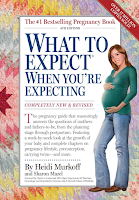
One standout title is "What to Expect When You're Expecting" by Heidi Murkoff and Sharon Mazel. This classic guide has been a trusted companion for millions of parents, offering month-by-month updates on the changes happening in the mother’s body, as well as tips for navigating the various stages of pregnancy. Its approachable tone and comprehensive coverage ensure that parents feel informed and prepared for the road ahead.

Another essential read is "The Expecting Father" by Armin A. Brott and Jennifer Ash.
This book takes a unique perspective, focusing on the father’s experience during pregnancy. Brott’s engaging writing style addresses the emotional and practical aspects of fatherhood, helping dads-to-be feel more connected and involved. With chapters that cover everything from prenatal care to preparing for the baby’s arrival, this book empowers fathers to embrace their new roles with confidence.

For those seeking a more holistic approach, "Mindful Parenting: Large-Hearted Parenting" by Kristen Race offers a thoughtful exploration of how mindfulness can enhance the parenting experience. It encourages expecting parents to cultivate awareness and presence during this pivotal time, helping them manage stress and foster a deeper connection with their unborn child.

Lastly, "Baby 411: Clear Answers & Smart Advice for Your Baby's First Year" by Denise Fields and Alan Fields serves as a practical reference guide for new parents. Packed with straightforward advice on everything from feeding and sleeping to health and safety, this book is designed to answer the most pressing questions that arise in those early days.

Incorporating these must-read books into your preparation can make the transition into parenthood smoother and more enriching, equipping you with the knowledge and confidence needed to embark on this incredible journey. Each page turned is a step toward understanding and embracing the joys and challenges that await you in the beautiful chaos of raising a child.


LitPick Parenting Blog Links
(Please share your own parenting recommendations under Comments.)


·    The Parenting Library: Building Your Personal Parenting Library...

·    The Parenting Library: Books for Expecting Parents

·    The Parenting Library: Books on Newborn Care

·    The Parenting Library: Understanding Child Development...

·    The Parenting Library: Classic Parenting Books Everyone Should Read...

·    The Parenting Library: Parenting Through the Toddler Years...

·    The Parenting Library: Essential Reads for Preschool Parenting...

·    The Parenting Library: Navigating the School Age Phase...

·    The Parenting Library: Chapter Book Suggestions

·    The Parenting Library: Recommended Fiction and Memoirs of Parenthood...

·    The Parenting Library: Parenting Books Focused on Health and Nutrition...

·    The Parenting Library: Navigating Special Needs Parenting...

·    The Parenting Library: Books on Positive Discipline Techniques...

·    The Parenting Library: The Importance of Emotional Intelligence Parenting...

·    The Parenting Library: Books on Teen Parenting and Adolescence...


Friday, August 16, 2024

Get ready for an archaeological adventure like no other!

🌍✨ Welcome into theh world of "The Tomb Of Ptahmes" by C.W. James, a LitPick Top Choice Award winner! 📚 Join Carter Pinsent as he unravels the secrets of an ancient Egyptian priest amidst a backdrop of intrigue and danger. When an unexpected visitor arrives with a mysterious mission, Carter finds himself in a race against time in the desert sands of Egypt. From translating hieroglyphs to uncovering hidden truths, every turn brings excitement and peril! 🏺🔍 Will Carter solve the mystery of the empty tomb? Or will the shadows of the past catch up with him? 🔗📖 Discover the journey today: https://litpick.com/books/tomb-ptahmes #BookRecommendation #TheTombOfPtahmes #AdventureAwaits #Archaeology #ReadOn 📚✨

Monday, August 12, 2024

Unlocking Chapter Books: When Should Your Child Start Reading Them and Top 5 Must-Reads!

As your child embarks on their literacy journey, the transition from picture books to chapter books marks a significant milestone in their reading development. Chapter books, with their engaging narratives and accessible language, open up a world of imagination, adventure, and learning that captivates young minds. But when is the right time to introduce these treasures to your budding reader? In this blog post, we’ll explore the signs that indicate your child is ready to tackle chapter books, while also providing insights into how to foster a love for reading that lasts a lifetime. Plus, we’ve curated a list of the top five must-read chapter books that are sure to spark joy and curiosity, making the reading experience both enjoyable and enriching. Join us as we unlock the magic of chapter books and set the stage for countless adventures in the written word!


1. Understanding Chapter Books: What Are They?

Chapter books represent a delightful transition in the literary journey of young readers, bridging the gap between picture books and more complex novels. Typically aimed at children aged 6 to 9, these books are characterized by their engaging narratives, well-defined characters, and age-appropriate themes, all presented in a format that encourages independence and confidence in reading. Unlike their picture book counterparts, chapter books contain fewer illustrations and are divided into chapters, allowing children to immerse themselves in longer stories.

The language in chapter books is richer than that found in early readers, introducing children to more sophisticated vocabulary and sentence structures. This gradual increase in complexity helps to develop their reading skills while still maintaining a sense of fun and adventure. The stories often include relatable situations and dynamic characters that resonate with young readers, making them eager to turn the pages.

Understanding chapter books is crucial for parents and educators as they guide children through this exciting literary phase. Recognizing when a child is ready to tackle chapter books—typically when they can read simple sentences fluently and express a desire for longer stories—can enhance their reading experience and foster a lifelong love for books. In this section, we will delve deeper into the qualities that make chapter books a perfect choice for emerging readers and explore how they can pave the way for a richer literary experience.


2. Benefits of Reading Chapter Books for Children

Reading chapter books offers a multitude of benefits that can profoundly influence a child's development and love for literature. Unlike picture books, which primarily focus on illustrations and simple narratives, chapter books introduce young readers to more complex storylines, characters, and themes. This shift not only fosters a deeper understanding of narrative structure but also enhances cognitive skills, as children learn to follow plots that unfold over several chapters.

One significant advantage of chapter books is their ability to improve vocabulary and language skills. As children encounter new words and phrases in context, they naturally expand their linguistic repertoire. This exposure not only helps with reading comprehension but also encourages more articulate expression in their own speech and writing.

Moreover, chapter books often tackle varied themes and topics that can spark critical thinking and empathy in young readers. They encourage discussions about different life experiences, cultures, and moral dilemmas, allowing children to explore the world beyond their immediate surroundings. This kind of engagement promotes emotional intelligence and helps them develop a sense of understanding and compassion toward others.

Additionally, the experience of reading a chapter book can foster a sense of accomplishment and independence. Completing a book with multiple chapters gives children a tangible sense of achievement, boosting their confidence in reading and motivating them to tackle more challenging texts in the future. This sense of mastery can be incredibly empowering, instilling a lifelong love for reading.

Finally, chapter books offer a wonderful opportunity for parents and children to bond over shared stories. Reading together can become a cherished routine, where parents can discuss the characters, plots, and their own interpretations, enriching the reading experience and building lasting memories. All these benefits make introducing chapter books a vital step in nurturing a child's literacy journey and love for literature.


3. Signs Your Child is Ready for Chapter Books

As your little one embarks on their reading journey, you may find yourself wondering when they are ready to transition from picture books to chapter books. This shift is a significant milestone that opens the door to new adventures, deeper stories, and more complex characters. Here are some key signs that your child is ready to dive into the world of chapter books:

1. **Increased Attention Span**: If your child can sit still and focus on a story for longer periods, they may be ready for the more extended narratives found in chapter books. Look for moments when they willingly engage with a story, asking questions and showing curiosity about what comes next.

2. **Interest in Characters and Storytelling**: When your child starts to express a desire for more intricate plots and develops a fascination with characters, it’s a strong indication they’re prepared for chapter books. They might start talking about their favorite characters from movies or shows and want to explore similar stories in book form.

3. **Reading Confidence**: If your child has mastered basic reading skills and feels confident tackling simple texts independently, it's time to introduce them to chapter books. Notice how they react to new words or complex sentences; a willingness to tackle challenges signifies readiness.

4. **Desire for Independence**: As children grow, they often crave more independence in their reading choices. If your child is expressing a desire to read "big kid" books like their older siblings or peers, it’s a sign that they’re ready for the challenge of chapter books.

5. **Curiosity About the World**: If your child shows an eagerness to learn about different topics and enjoys exploring new ideas, chapter books can be a perfect fit. These books often introduce themes that stimulate curiosity, allowing children to expand their knowledge while enjoying a good story.

When you observe these signs, it’s a wonderful opportunity to introduce chapter books into your child's reading routine. The transition can be seamless and enjoyable, setting the stage for a lifelong love of reading. To help you get started, we've compiled a list of top must-reads that will captivate their imagination and keep them turning the pages!


4. How to Transition from Picture Books to Chapter Books

Transitioning from picture books to chapter books is an exciting milestone in a child's reading journey, marking the shift from visual storytelling to more complex narratives. This transition can often feel daunting for both parents and children, but with the right approach, it can be a rewarding experience that ignites a lifelong love for reading.

First, it's important to ensure that your child feels comfortable with the idea of chapter books. Introduce them gradually by choosing books that still incorporate illustrations, as these visuals can help bridge the gap between the two formats. Look for chapter books that have engaging covers and captivating storylines to pique their interest. Titles that are part of a series often work well, as they allow children to become invested in familiar characters and settings.

Next, establish a reading routine that incorporates chapter books alongside their beloved picture books. This can ease the transition and give your child the opportunity to explore both formats without feeling overwhelmed. Consider setting aside dedicated reading time each day, where you can read together, encouraging discussions about the story as you go. Ask open-ended questions that prompt your child to think critically about the characters and plot, fostering a deeper understanding of the story.

Additionally, let your child take the lead in selecting chapter books. Encourage them to explore different genres and themes, as this autonomy will make them more excited about reading. Visit your local library or bookstore together, allowing them to choose books that spark their interest. You could also create a cozy reading nook at home, filled with their chosen chapter books, making the experience feel special and inviting.

Lastly, be patient and supportive during this transition. Some children may take to chapter books quickly, while others might need more time to adjust. Celebrate their progress, no matter how small, and provide plenty of encouragement along the way. Remember, the goal is to cultivate a love for reading, and with your guidance, your child will be well on their way to unlocking the magical world of chapter books!


5. Factors to Consider When Choosing Chapter Books

When selecting chapter books for your young reader, several key factors can help ensure a positive and engaging reading experience. First and foremost, consider the child's age and developmental stage. While chapter books typically target children ages 7 to 12, individual reading levels can vary significantly. Pay attention to their current skills—can they read independently, or do they prefer to be read to?

Next, think about their interests. A child who loves dinosaurs might be more excited about a chapter book centered around prehistoric adventures than one focused on fairy tales. Engaging their interests can make reading more enjoyable and encourage them to explore new genres as well.

The complexity of the language and themes is another crucial factor. Opt for books that are age-appropriate in both vocabulary and subject matter. A story with relatable characters and situations can help your child connect with the text, making it easier for them to grasp more complex narratives.

Illustrations also play a significant role in chapter books. While they may not be as abundant as in picture books, illustrations can still enhance comprehension and keep young readers engaged. Look for chapter books that incorporate visuals to break up the text and help them visualize the story.

Finally, consider the book’s length and pacing. Young readers might feel overwhelmed by lengthy chapters or slow-moving plots. Instead, select books with shorter chapters and dynamic storytelling that maintain their interest and motivation to read.

By taking these factors into account, you can make informed choices that will foster a love for reading and help your child transition smoothly into the world of chapter books. With the right selection, you’ll be setting them up for a literary journey filled with adventure and imagination!


6. Top 5 Must-Read Chapter Books for Young Readers

When it comes to introducing your child to the wonderful world of chapter books, the right stories can ignite a lifelong passion for reading. These books not only foster imagination and creativity but also help children develop critical thinking and comprehension skills. Here are five must-read chapter books that serve as perfect gateways for young readers, each brimming with adventure, relatable characters, and valuable life lessons.

1. **"Charlotte's Web" by E.B. White** This timeless classic tells the heartwarming story of a pig named Wilbur and his friendship with a clever spider named Charlotte. Through their enchanting bond, children learn about friendship, loyalty, and the cycle of life, all wrapped in a beautifully woven narrative that will leave them enchanted.

2. **"Magic Tree House: Dinosaurs Before Dark" by Mary Pope Osborne** The first book in the beloved Magic Tree House series whisks readers away on an exhilarating adventure through time. When siblings Jack and Annie discover a magical tree house filled with books, they embark on a thrilling journey to the age of dinosaurs. This engaging blend of history and imagination will captivate young minds and inspire curiosity about the world.

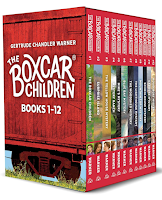
3. **"The Boxcar Children" by Gertrude Chandler Warner** Follow the adventures of four orphaned siblings who create a home for themselves in an abandoned boxcar. Their resourcefulness, courage, and strong family bonds resonate with young readers, teaching them the value of perseverance and teamwork. This series not only entertains but also encourages children to think critically and solve problems creatively.

4. **"Junie B. Jones Series" by Barbara Park** Junie B. Jones is the delightful and hilarious protagonist that every child can relate to. With her quirky personality and relatable school experiences, these books capture the ups and downs of childhood with humor and heart. Young readers will find themselves laughing along with Junie as she navigates friendships, school challenges, and the everyday adventures of growing up.

5. **"Pippi Longstocking" by Astrid Lindgren** Pippi Longstocking is the ultimate embodiment of independence and adventure. With her unconventional lifestyle, fiery red hair, and unmatched strength, Pippi challenges traditional norms and inspires children to embrace their uniqueness. This book encourages readers to be bold and confident while embarking on their own adventures, reminding them that imagination knows no bounds.

These five chapter books not only entertain but also enrich young minds, making them perfect choices for children ready to take the plunge into longer stories. By sharing these literary treasures with your little ones, you’ll help cultivate a love for reading that will last a lifetime!


6. Tips for Encouraging Independent Reading

Encouraging independent reading in children is a rewarding journey that can significantly enhance their literacy skills and foster a lifelong love for books. Here are some effective tips to help you nurture your child’s reading independence:

1. **Create a Cozy Reading Nook**: Designate a special space in your home just for reading, filled with comfortable seating, good lighting, and an inviting atmosphere. A cozy nook can make reading feel like an enjoyable retreat rather than a chore.

2. **Offer Choices**: Allowing your child to choose their own books can ignite their interest in reading. Visit your local library or bookstore together, and let them explore various genres—whether it's fantasy, adventure, or non-fiction. The more ownership they have over their selections, the more motivated they will be to read.

3. **Set a Reading Routine**: Establishing a daily reading routine can help children integrate reading into their lives. Whether it's a few minutes before bed or during a quiet afternoon, consistency will create a habit. You might even consider a family reading time where everyone picks a book and reads together.

4. **Model Reading Behavior**: Children learn by example. Show your enthusiasm for reading by discussing the books you enjoy, sharing interesting facts, or even reading aloud from your favorite titles. Your passion for books will inspire them to develop their own interest.

5. **Encourage Discussions**: After your child finishes a book, engage them in conversation about it. Ask open-ended questions about the characters, plot, and their personal thoughts on the story. This not only reinforces comprehension but also makes reading a shared experience.

By implementing these strategies, you can create an enriching environment that promotes independent reading, allowing your child to explore new worlds, expand their imagination, and develop critical thinking skills—all while enjoying the magic of stories!


7. Creating a Cozy Reading Environment at Home

Creating a cozy reading environment at home is essential for nurturing your child's love for books and encouraging them to dive into the enchanting world of chapter books. A well-designed reading nook can transform an ordinary space into a magical retreat where stories come alive, fostering imagination and concentration.

Start by selecting a quiet corner in your home, away from the hustle and bustle of daily activities. This space should be inviting and comfortable, so consider adding a plush bean bag chair or a soft rug where your child can snuggle up with a book. Warm lighting is key; a small table lamp or string lights can create a soothing ambiance that invites them to linger a little longer in their literary sanctuary.

Personalize the reading area with your child's favorite colors and decorations. Hang up some whimsical artwork, or let them help choose throw pillows that reflect their personality. A small bookshelf or storage bin nearby can keep their growing collection of chapter books organized and within easy reach, making it a breeze for them to select their next adventure.

Incorporating a few sensory elements can further enhance the experience. Soft background music or nature sounds can create a calming atmosphere, while a warm blanket can make their reading time feel even cozier. Encourage your child to bring along a favorite stuffed animal or a journal for jotting down thoughts about the stories they read, making the experience all the more engaging.

Lastly, set aside dedicated reading time as a family. Whether it’s a weekend ritual or a quiet evening routine, sharing stories together can strengthen bonds and highlight the joys of reading. By creating a cozy reading environment at home, you are not just setting the stage for chapter books; you are cultivating a lifelong love of literature that will enrich your child's life for years to come.


8. Incorporating Reading into Your Child's Daily Routine

Incorporating reading into your child's daily routine is a vital step in nurturing a lifelong love of literature. Establishing a consistent reading habit not only enhances their academic skills but also enriches their imagination and creativity. To seamlessly blend reading into your child's day, consider setting aside a specific time dedicated to this enriching activity. Whether it’s during breakfast, a quiet afternoon break, or right before bedtime, creating a routine helps signal to your child that reading is a valued part of their day.

Make reading a family affair by designating a “reading hour” where everyone in the household picks up their favorite book or shares what they’re reading. This not only fosters a shared love for literature but also creates a cozy atmosphere that encourages discussion and connection. You could also make use of car rides or waiting times by having audiobooks or story podcasts playing in the background. These moments can transform mundane waiting periods into delightful storytelling adventures.

Moreover, keep a selection of chapter books easily accessible in various locations—on the bookshelf in their room, the living room coffee table, or even a cozy reading nook. Allow your child to choose their reading material, as autonomy plays a crucial role in engagement. Dive into reading challenges or themed months that spark excitement, inviting them to explore different genres and topics.

By weaving reading into the fabric of daily life, you not only enhance comprehension and vocabulary but also instill a habit that can lead to countless adventures and discoveries within the pages of a book. Remember, the goal is to make reading an enjoyable and anticipated part of your child’s routine, paving the way for a lifelong relationship with literature.


9. The Role of Parents in Fostering a Love for Reading

As parents, you play a crucial role in nurturing your child's passion for reading, especially when it comes to transitioning from picture books to chapter books. Your enthusiasm and involvement can set the stage for a lifelong love of literature, transforming reading from a simple activity into a treasured habit.

Start by creating a rich literary environment at home. Surround your child with a variety of books that cater to their interests, whether they’re captivated by fantasy worlds, adventurous tales, or stories of friendship and courage. Regular trips to the library or bookstore can also spark excitement and give your child the opportunity to explore different genres and authors.

Reading together is another powerful way to foster a love for books. Set aside dedicated time to share a chapter from a book, allowing your child to hear the flow of the language and the excitement of storytelling. Engage them with questions about the characters and plot—this not only helps develop comprehension skills but also encourages them to think critically about what they read.

Moreover, be a reading role model. Let your child see you enjoying books and discussing them enthusiastically. Share your favorite stories and recommend titles that you believe they will love. Your passion can be contagious, inspiring them to dive into books with the same fervor.

Lastly, celebrate their reading milestones, whether it’s finishing their first chapter book or discovering a new author. Acknowledgment and encouragement can go a long way in boosting their confidence and reinforcing that reading is a rewarding and enjoyable journey. By actively participating in your child's reading life, you’ll help unlock the door to endless adventures and valuable learning experiences through books.


10. Resources for Finding Age-Appropriate Chapter Books

Finding age-appropriate chapter books for your budding reader can be both exciting and daunting. With the vast array of options available, it’s essential to know where to look to ensure that the books align with your child's reading level and interests. Here are some valuable resources that can help you navigate the literary landscape and uncover the perfect chapter books for your child.

**1. Local Libraries:** Your local library is an invaluable resource when it comes to discovering age-appropriate literature. Librarians are often well-versed in children's literature and can provide personalized recommendations based on your child's reading abilities and preferences. Many libraries also host reading programs that include curated book lists for different age groups.

**2. Online Bookstores and Retailers:** Websites like Amazon, Barnes & Noble, and Bookshop.org offer extensive sections dedicated to children's chapter books. These platforms often feature customer reviews and age recommendations, allowing you to gauge whether a book is suitable for your child. Look for best-seller lists in the children's section, as these can provide insight into popular choices among young readers.

**3. Educational Websites:** Websites like Scholastic and Common Sense Media provide comprehensive resources for parents seeking appropriate books for their children. Scholastic offers reading lists by grade level, while Common Sense Media includes reviews that highlight the age-friendliness of the content, themes, and writing style.

**4. Book Blogs and Social Media Groups:** The book blogging community is rich with recommendations for children's literature. Many bloggers specialize in children's books and regularly post reviews and lists of must-reads. Additionally, social media platforms like Facebook and Instagram have thriving communities where parents share their favorite chapter books and discuss their children's reading experiences.

**5. Reading Apps and Programs:** There are numerous reading apps designed to help children find books suited to their reading level. Programs like Epic! and Libby grant access to a treasure trove of digital chapter books, with features that allow you to filter by age, genre, and reading level. These platforms often include quizzes and interactive elements that engage young readers and foster a love for reading.

By utilizing these resources, you can ensure that your child is not only reading age-appropriate chapter books but also discovering stories that pique their interest and imagination. Happy reading!


11. Encouraging Discussion and Comprehension Skills

Encouraging discussion and comprehension skills is a vital part of helping your child navigate the world of chapter books. As children transition from picture books to more text-heavy stories, they may encounter complex themes, nuanced characters, and intricate plots that require a deeper level of understanding. Engaging your child in discussions about what they’re reading can significantly enhance their comprehension skills while also making the reading experience more interactive and enjoyable.

Start by asking open-ended questions that prompt your child to think critically about the story. For instance, you might ask, “What do you think motivated the main character to make that decision?” or “How do you feel about the ending of the book?” These types of questions encourage your child to express their thoughts and interpretations, fostering a sense of ownership over their reading.

In addition to discussing the plot, delve into the characters’ emotions and motivations. Encourage your child to identify with the characters and explore how they would react in similar situations. This not only builds empathy but also strengthens their ability to analyze and interpret diverse perspectives.

Consider creating a reading routine where you allocate time to discuss the chapters after your child finishes a section. This routine not only reinforces their learning but also nurtures a bond between you. Additionally, you can introduce comprehension tools like graphic organizers or story maps, which can help them visually break down the story and enhance their understanding.

Finally, don’t underestimate the power of connecting the book’s themes to real-life experiences. Whether it’s discussing friendship, bravery, or problem-solving, relating these themes to everyday scenarios can make the lessons found in chapter books resonate more deeply with your child. By fostering a love for discussion and comprehension, you will help your child not only become a more proficient reader but also a more engaged and thoughtful individual.


12. Celebrating Reading Milestones

Celebrating reading milestones is a wonderful way to encourage your child’s love for books and reinforce their achievements along the journey. Each step they take, from deciphering their first word to finishing an entire chapter book, deserves recognition. These milestones not only highlight their progress but also instill confidence and motivation to keep reading.

Start by creating a cozy reading nook at home where your child can immerse themselves in the world of stories. Once they finish their first chapter book, consider hosting a mini-celebration. This could be as simple as a small gathering with family or friends where they can share their favorite parts of the book or talk about the characters they loved. A special treat, like a homemade cake decorated with book themes or a small gift related to their favorite story, will make the occasion even more memorable.

You can also create a reading log or a colorful chart where they can track their completed books. For each milestone reached—be it the number of books read or the completion of a particularly challenging chapter book—reward them with a sticker or a small token. This not only marks their achievements but also visualizes their reading journey, making it all the more exciting.

Don’t forget the power of praise! A few heartfelt words of encouragement can go a long way. Celebrate their efforts, discuss the themes of the books they read, and ask open-ended questions that spark their creativity and critical thinking. This engagement not only helps strengthen their comprehension skills but also deepens their emotional connection to reading.

By turning reading milestones into celebrations, you’ll foster a lifelong love of literature in your child. Each book they conquer becomes a stepping stone in their educational journey, and with your support, they'll be eager to tackle the next adventure waiting on the pages ahead!


Conclusion: Nurturing a Lifelong Love for Reading

In conclusion, nurturing a lifelong love for reading in your child is one of the most rewarding gifts you can offer them. As they transition into chapter books, it's essential to create an environment that fosters curiosity and exploration. Celebrate their milestones, whether it's finishing their first chapter book or discovering a new favorite author. Your enthusiasm and encouragement can ignite their passion for stories and ideas, making reading an integral part of their daily lives.

Make reading a shared experience by setting aside time each day for family reading sessions, discussing the characters and plots, and encouraging them to express their thoughts about the stories they encounter. By weaving reading into your family routine, you help your child develop not just strong literacy skills, but also a deep appreciation for the narratives that shape our world.

Remember, the journey through literature is not a race; it's a wondrous adventure waiting to be explored. With patience and guidance, you can help your child discover the joy of books, paving the way for a lifetime filled with imagination, knowledge, and empathy. As they navigate the chapters of their favorite stories, they will also be learning important life lessons, honing their critical thinking skills, and developing a rich vocabulary—all essential tools for success in school and beyond.

So, as you watch your child dive into chapter books, relish these moments of growth. With the right support and a selection of engaging reads, you can help them unlock the doors to countless worlds, adventures, and friendships, ensuring that their love for reading endures for years to come.