THIS POST IS NOT INTENDED TO BE POLITICAL IN ANY WAY. IT IS ABOUT LEADERSHIP AND BOOKS THAT HAVE BEEN RECOGNIZED OVER TIME TO HELP PEOPLE LEAD IN IMPORTANT POSITIONS, FROM HEADS OF STATE TO CEO'S OF MAJOR CORPORATIONS. THIS POST DOES NOT SUPPORT ANY CANDIDATES OR INTEND TO HAVE ANY POSITIVE OR NEGATIVE IMPLCATIONS ABOUT CANDIDATES. ONCE AGAIN, IT WAS ONLY WRITTEN ABOUT LEADERHSHIP. THANK YOU.
As the world eagerly anticipates the dawn of a new presidency, the importance of preparation and vision cannot be overstated. The journey to effective leadership begins long before the inaugural speech, and one of the most powerful tools at a leader's disposal is the written word. With the weight of a nation’s hopes resting on their shoulders, the next president must equip themselves with insights, wisdom, and strategies that transcend the political arena. In this post, we delve into five essential reads that will not only shape the incoming president's leadership style but also refine their vision for the future. From foundational texts on governance and ethics to modern narratives that address pressing global challenges, these books offer invaluable lessons that can illuminate the path ahead. Join us as we explore each title’s significance and how they can inspire the next leader to tackle the complexities of our times with confidence and clarity.
1. Introduction: The Importance of Reading for Leadership
In an era where information is abundant and the challenges of leadership are increasingly complex, the importance of reading cannot be overstated. For any aspiring president, the act of engaging with literature serves as more than just a pastime; it is a crucial component in shaping a well-rounded and informed leader. Reading opens the door to diverse perspectives, historical insights, and innovative ideas, all of which are essential for effective governance.
Books have the power to transport leaders into the minds of great thinkers, allowing them to learn from the successes and failures of those who have walked the path before them. Whether it’s delving into the intricacies of political strategy, understanding the socio-economic landscape, or exploring the moral dilemmas that come with leadership, the right literature can foster critical thinking and empathy—two essential traits for any president.
Moreover, reading enriches a leader's vocabulary and communication skills, enabling them to articulate their vision and rally support more effectively. In a world where public opinion can shift in an instant, possessing a well-informed and articulate voice can make all the difference. As we prepare to explore five essential reads for the next president, it’s crucial to acknowledge that these texts are not just words on a page; they are tools for growth and understanding, paving the way for a leadership style that is both impactful and resonant with the American people.
2. Book #1: "The Art of War" by Sun Tzu – Strategies for Decision-Making
In the realm of leadership, few texts have stood the test of time quite like Sun Tzu's "The Art of War." Written over two millennia ago, this ancient Chinese treatise on military strategy transcends its original context, offering profound insights relevant to any leader navigating the complexities of governance. For a future president, embracing the principles within these pages can be transformative, especially when it comes to decision-making.
At its core, "The Art of War" emphasizes the importance of strategy over brute force, advocating for a thoughtful approach to conflict and competition. Sun Tzu famously states, "All warfare is based on deception," reminding leaders that perception and timing can be as critical as action. This principle encourages a president to consider not just the immediate implications of their decisions but also the long-term consequences and the perceptions they create among constituents, allies, and adversaries alike.
Moreover, Sun Tzu’s emphasis on preparation and adaptability is vital for any leader. He teaches that knowing oneself and one's enemy is paramount, a lesson that underscores the need for thorough research, engagement with advisors, and a clear understanding of the political landscape. A president who internalizes these lessons will be better equipped to navigate crises, forge alliances, and make informed choices that resonate with the public.
Finally, the text is replete with examples of how effective leaders inspire loyalty and commitment from their followers, an essential quality for any president aiming to unify a diverse nation. By studying "The Art of War," future leaders can cultivate a mindset that values strategic foresight, ethical conduct, and the power of calculated decision-making—elements that are crucial for effective governance and impactful leadership. Embracing Sun Tzu's wisdom can set a foundation for a presidency marked by clarity, resilience, and strategic vision.
3. Book #2: "The Leadership Challenge" by Kouzes and Posner – Building Credibility and Trust
In the realm of leadership literature, "The Leadership Challenge" by James M. Kouzes and Barry Z. Posner stands out as a timeless guide for aspiring leaders, making it an essential read for the next president. This book delves deep into the core principles of effective leadership, emphasizing the importance of credibility and trust as foundational elements in fostering strong relationships with constituents, advisors, and the nation as a whole.
Kouzes and Posner argue that true leadership is not about wielding authority; rather, it’s about inspiring others through authenticity and integrity. The authors present a robust framework that revolves around The Five Practices of Exemplary Leadership: Model the Way, Inspire a Shared Vision, Challenge the Process, Enable Others to Act, and Encourage the Heart. Each practice is not only a mechanism for personal growth but also a pathway to galvanizing support and trust among followers.
As the next president prepares to take the helm, understanding these practices is crucial for building a credible image. This book emphasizes that leaders must align their actions with their words, creating a sense of reliability that fosters loyalty and commitment. Kouzes and Posner illustrate their concepts with compelling case studies and personal anecdotes, making the lessons both relatable and actionable.
Moreover, "The Leadership Challenge" underscores the idea that trust is a two-way street. In order to gain the trust of others, leaders must also extend trust, empowering their teams to take initiative and contribute to the vision. As the future president navigates a complex political landscape, the strategies outlined in this book will not only help in establishing authority but also in cultivating a culture of collaboration and mutual respect.
In a world where political polarization often overshadows unity, the insights from Kouzes and Posner offer a roadmap for the next president to connect with diverse audiences, foster inclusivity, and ultimately lead with purpose and clarity. Embracing the principles laid out in "The Leadership Challenge" can set the stage for a presidency marked by integrity, vision, and a commitment to the greater good.
4. Book #3: "Good to Great" by Jim Collins – Lessons on Sustainability and Excellence
"Good to Great" by Jim Collins is a seminal work that delves into what differentiates truly great companies from merely good ones. For a future president, this book offers invaluable insights into the principles of sustainable leadership and excellence that can be applied far beyond the corporate world. Collins and his research team meticulously analyzed a selection of companies that made the leap from being good to becoming great, identifying key factors that facilitated this transformation.
One of the most compelling lessons from the book is the concept of the "Hedgehog Principle," which emphasizes the importance of understanding what your organization can be the best at, what drives its economic engine, and what you are deeply passionate about. For a president, this translates to a clear understanding of the nation’s core strengths, challenges, and values—essential for crafting policies that resonate with the public and foster national unity.
Collins also introduces the idea of Level 5 Leadership, which embodies a blend of personal humility and professional will. This notion is particularly relevant for presidential candidates, as it encourages leaders to focus on the greater good rather than personal accolades. By cultivating a leadership style characterized by modesty and determination, a president can inspire trust and loyalty among constituents, building a stronger connection with the electorate.
Moreover, "Good to Great" highlights the significance of a strong organizational culture and disciplined people. As the future leader of the nation, a president must prioritize assembling a capable team that shares a common vision and commitment to excellence. By fostering an environment where accountability, collaboration, and innovation thrive, the president can lay the groundwork for effective governance and long-term success.
In an era marked by rapid change and complex challenges, "Good to Great" serves as a guiding beacon for aspiring leaders. The lessons contained within its pages challenge conventional wisdom and encourage a deep, introspective examination of leadership practices—an essential read for anyone poised to take on the monumental responsibility of leading a nation.
5. Book #4: "The Innovator's Dilemma" by Clayton Christensen – Embracing Change and Innovation
In the rapidly evolving landscape of politics and governance, the ability to embrace change and foster innovation is paramount. "The Innovator's Dilemma" by Clayton Christensen serves as a critical guide for aspiring leaders, illustrating the importance of recognizing and responding to disruptive technologies and ideas. This seminal work delves into why successful companies often fail when faced with new market entrants and innovations, offering profound lessons that can be applied to political leadership.
Christensen posits that established leaders frequently overlook disruptive innovations because they cater to niche markets initially, leading them to prioritize short-term profitability over long-term growth potential. For a future president, this insight is invaluable. It underscores the necessity of remaining vigilant and open-minded, ready to adapt to emerging challenges and opportunities that may not align with traditional expectations or practices.
The book encourages leaders to cultivate an innovative mindset, encouraging them to think beyond conventional wisdom and to foster an environment where new ideas can flourish. As the next president prepares to tackle complex issues, understanding how to harness innovation can be a game-changer. Whether it’s adopting new technologies to address climate change or reinventing public services through digital solutions, the principles outlined in "The Innovator's Dilemma" can guide effective decision-making.
Reading this book will not only equip the next president with the tools to navigate the complexities of 21st-century governance but also inspire a vision that embraces change as an ally rather than an adversary. By prioritizing innovation, they can lead with foresight and resilience, ensuring a more adaptive and forward-thinking administration.
6. Book #5: "Team of Rivals" by Doris Kearns Goodwin – Learning from Diverse Perspectives
"Team of Rivals" by Doris Kearns Goodwin is not just a historical account; it’s a masterclass in leadership that offers invaluable lessons for any aspiring president. The book delves into the life and presidency of Abraham Lincoln, exploring how he adeptly surrounded himself with a cabinet filled with strong personalities and differing viewpoints—his rivals during the party primaries.
Goodwin’s narrative paints a vivid picture of Lincoln's remarkable ability to embrace dissent and foster a culture of open dialogue. He understood that the strength of his administration lay not in unanimous agreement but in the rich tapestry of perspectives each member brought to the table. This approach not only helped him navigate the nation through its most tumultuous period but also cultivated an environment where innovative solutions could flourish.
As a president-in-waiting, reading "Team of Rivals" encourages future leaders to consider the value of diversity in thought and experience. It illustrates how building a team that challenges each other can lead to better decision-making and more effective governance. In an era where polarization is rampant, the lessons drawn from Lincoln’s presidency serve as a guiding light, reminding us of the importance of unity in diversity.
By engaging with this essential read, the next president can gain insights into the art of collaboration and the necessity of listening to varied viewpoints—skills that are crucial for effective leadership in a complex and divided world. Embracing these principles can help forge a path toward a more inclusive and effective administration, setting the stage for impactful change before the first day in office even arrives.
7. How these books shape a leader's vision and values
Books have long been a guiding light for leaders, offering wisdom, perspective, and insight that can shape their vision and values. For a presidential candidate, the journey of understanding complex issues, diverse perspectives, and the nuances of governance begins with reading. The right books can serve as a foundation for informed decision-making, inspire innovative ideas, and instill a sense of ethical responsibility.
Each of the selected titles in our essential reads for the next president brings unique lessons. For instance, a book on historical leadership can illuminate the successes and failures of past presidents, encouraging a thoughtful approach to both policy and personal conduct. By exploring themes of resilience and adaptability, leaders can better navigate the unpredictable landscape of politics and governance.
Moreover, literature that delves into social justice and equity challenges leaders to confront biases and prioritize inclusivity in their vision. This not only helps in crafting policies that resonate with a diverse populace but also establishes a moral compass that guides their administration. Such insights foster a deep-rooted understanding of the constituents they serve, reinforcing the values of empathy and accountability.
Additionally, reading biographical accounts of influential leaders can provide inspiration and practical frameworks for effective leadership. These narratives often highlight the importance of collaboration, communication, and perseverance—qualities that are vital for anyone stepping into the highest office in the land. By engaging with these texts, future presidents can cultivate a vision that is not only aspirational but also grounded in the realities of governance.
In essence, the impact of these books transcends mere knowledge acquisition; they shape a leader’s character and approach to governance. A well-read leader is equipped to forge meaningful connections, inspire trust, and navigate the complexities of the presidency with a clear and principled vision. As the next president prepares to take office, the lessons gleaned from these essential reads will undoubtedly play a crucial role in steering the country toward a brighter future.
8. The role of empathy and emotional intelligence in leadership
In the complex landscape of modern leadership, the role of empathy and emotional intelligence has never been more critical. As the next president prepares to step into a position of immense responsibility, understanding the human experience becomes paramount. Empathy allows leaders to connect with the diverse tapestry of citizens they represent, fostering a sense of community and shared purpose. It goes beyond mere understanding; it’s about feeling the pulse of the nation—acknowledging the struggles, hopes, and aspirations of individuals from all walks of life.
Emotional intelligence, which encompasses self-awareness, self-regulation, social awareness, and relationship management, equips leaders to navigate the intricate web of political, social, and economic challenges. A leader with high emotional intelligence can deftly manage their own emotions and respond to the emotional cues of others, creating an environment of trust and collaboration. This skill is particularly vital in times of crisis, where decisions must be made swiftly and compassionately, balancing the need for effective governance with the human impact of those decisions.
By prioritizing empathy and emotional intelligence, the next president can cultivate a leadership style that not only addresses policies and agendas but also resonates deeply with the American people. These qualities encourage open dialogue, foster a culture of inclusivity, and ultimately lead to more effective and compassionate governance. As they delve into these essential reads, future leaders will gain insights into how to harness these powerful traits, shaping a vision that is not only strategic but also profoundly human. In a world that often feels divided, a leader who embodies empathy and emotional intelligence becomes a beacon of hope, capable of bridging gaps and uniting people in pursuit of a common vision for the future.
9. Practical applications of lessons learned from these reads
As the next president prepares to step into one of the most challenging roles in the world, the practical applications of the lessons gleaned from these essential reads become paramount. Each book offers a unique lens through which to view the complexities of leadership, governance, and the evolving dynamics of society.
For instance, consider how a deep dive into the strategic frameworks outlined in these texts can influence decision-making processes. By applying methodologies from renowned political strategists and thought leaders, the incoming administration can develop robust frameworks for approaching policy challenges. This might involve creating multi-dimensional strategies that take into account economic, social, and environmental factors, ensuring that decisions are holistic and far-reaching.
Moreover, these reads often emphasize the importance of empathy and communication in leadership. Practical applications here could involve hosting regular town hall meetings, both virtually and in-person, to foster open dialogue with citizens. This approach not only builds trust but also allows the administration to gather real-time feedback, ensuring that policies resonate with the populace.
Additionally, the lessons on adaptability and crisis management found within these books can be instrumental in crafting a responsive governance model. By establishing agile task forces that can pivot quickly in times of uncertainty, the future president can demonstrate a commitment to proactive leadership that prioritizes the needs of the nation.
Finally, integrating the insights from these essential reads into the administration's training programs for staff can create a culture of continuous learning and innovation. By encouraging team members to engage with these texts and share their interpretations, the administration can foster a collaborative environment that values diverse perspectives and drives impactful solutions.
In essence, the next president has a wealth of knowledge at their fingertips. By translating the profound insights from these essential reads into actionable strategies, they can not only shape an effective governance model but also inspire a nation ready to tackle the challenges that lie ahead.
10. Creating a reading plan for continual growth as a leader
Creating a reading plan for continual growth as a leader is essential for anyone preparing for the responsibilities of the presidency. As a prospective leader, engaging with literature that challenges your thinking, broadens your perspective, and deepens your understanding of governance is critical. A well-structured reading plan can help you stay focused and ensure that your intellectual growth doesn't stall amidst the whirlwind of campaign activities.
Start by identifying core themes that resonate with your vision for leadership. Are you passionate about economic policy, social justice, or international relations? Tailor your reading list to include books that reflect these themes, ensuring a balanced mix of theory, practice, and historical context. Books such as "Leadership in Turbulent Times" by Doris Kearns Goodwin can provide valuable insights into navigating challenges, while "The Art of War" by Sun Tzu can offer strategic wisdom applicable to both military and political arenas.
Moreover, consider integrating a variety of genres into your plan—biographies, memoirs, philosophical texts, and even fiction can provide unique lessons on human behavior and decision-making. Schedule dedicated reading time each week, treating it as a non-negotiable appointment in your calendar. Reflection is key, so take notes on what resonates with you and how you might apply these principles to your own leadership style.
Finally, don't underestimate the power of discussion. Join a book club with fellow leaders or engage in online forums where you can share insights and debate ideas. This interaction not only reinforces what you’ve learned but also exposes you to diverse viewpoints, fostering a richer understanding of the complexities you will face as president.
By creating a comprehensive reading plan and committing to continual growth, you’ll equip yourself with the knowledge and insights necessary to lead effectively and inspire confidence in those you serve.
11. Encouraging a culture of reading in the administration
Encouraging a culture of reading within the administration is not just about personal enrichment; it's a strategic approach to fostering informed decision-making and innovative problem solving. A reading-rich environment cultivates leaders who are not only well-versed in policy but also adept at understanding the complex social, economic, and global landscapes they navigate. By prioritizing reading, the next president can set a precedent that underscores the importance of continuous learning and intellectual curiosity among their staff.
Imagine an administration where staff meetings are preceded by discussions on the latest books in political theory, economics, or social justice. Such discourse promotes a shared vocabulary and understanding that can enhance collaboration and creativity. It also empowers team members to bring diverse perspectives to the table, informed by the ideas of thought leaders and scholars.
To cultivate this culture, the president could initiate a formal book club, encouraging team members to read and discuss selected titles that resonate with current challenges and opportunities. This initiative could extend beyond the White House, inviting input from citizens and communities to bridge gaps between leaders and the public. Additionally, providing resources like a dedicated reading list, access to libraries, and even author talks could further stimulate interest and engagement.
By championing a reading culture, the next president will not only enrich their administration's intellectual capital but also strengthen democratic values through informed governance. This commitment to reading can serve as a powerful tool for leadership, shaping a vision that is not just reactive but proactive, grounded in knowledge, and inspired by the wisdom of those who came before.
12. Conclusion: The Lasting Impact of Leadership Literature
As we draw to a close on this exploration of essential reads for the next president, it’s crucial to reflect on the enduring impact that leadership literature can have on shaping vision and guiding action. The pages of these influential books offer more than just strategies and insights; they provide a lens through which to understand the complexities of governance, the intricacies of human behavior, and the moral imperatives that define effective leadership.
Books like these have the power to transcend time, resonating with leaders regardless of the era in which they govern. They serve as a reminder that the challenges we face—be it social inequality, climate change, or international relations—require thoughtful deliberation and a commitment to ethical decision-making. By engaging with the wisdom encapsulated in these texts, the next president can cultivate a leadership style that is not only informed by historical context but also fueled by a vision for a better future.
Incorporating the lessons gleaned from these essential reads can foster a deeper understanding of the responsibilities that come with the office. It encourages leaders to forge connections with their constituents, prioritize transparency, and embrace a collaborative approach to problem-solving. Ultimately, the impact of leadership literature extends beyond the individual; it has the potential to inspire a collective movement toward progress and unity.
As the next president prepares to take the helm, the insights drawn from these books will not merely serve as a guide but as a foundation for a legacy that prioritizes both innovation and integrity. Embracing the lessons of the past while looking forward to the future can empower a leader to navigate the complexities of the modern world, ensuring their administration is remembered not just for its policies, but for its profound understanding of the human experience.
As we wrap up our exploration of the five essential reads for the next president, it's clear that the journey to effective leadership begins long before the inauguration. Each of these carefully selected books offers invaluable insights, from understanding the complexities of governance to fostering a vision that inspires and unites a nation. By immersing themselves in these works, future leaders can cultivate the wisdom and perspective needed to navigate the challenges ahead. We encourage you to delve into these reads, whether you’re a prospective leader yourself or simply passionate about the future of our country. Let these pages serve as a guide to thoughtful leadership, resilience, and a commitment to the greater good. As we anticipate the next chapter in our nation’s history, may these literary treasures empower us all to dream bigger and lead with purpose.
At LitPick, we review books from a variety of genres, as well as enjoy promoting reading and writing worldwide among adults and students. We also like connecting authors and publishers with readers.
Saturday, August 03, 2024
Friday, August 02, 2024
Timeless Tales: The Most Memorable Picture Books for Kids Aged 5-8 and Their Legendary Authors
Picture books hold a special place in the hearts of children and adults alike, weaving stories that spark imagination and foster a love for reading from a young age. For kids aged 5 to 8, these enchanting tales serve as gateways to fantastical worlds, life lessons, and unforgettable characters. In this blog post, we will explore a curated selection of the most memorable picture books that have stood the test of time, celebrating the legendary authors who crafted them. From whimsical adventures to poignant narratives, each book possesses the power to captivate young minds and inspire creativity. Join us as we delve into these timeless tales, highlighting the magic they bring to storytime and the invaluable impact they have on the development of young readers. Whether you're a parent, educator, or simply a lover of children's literature, this guide will surely reignite your passion for these literary gems.
1. Introduction to Picture Books: Why They Matter
In the world of children's literature, picture books hold a unique and cherished place, serving as the gateway to a universe of imagination and learning for young minds aged 5 to 8. These vibrant, illustrated narratives are not merely stories; they are powerful tools that foster a love for reading, ignite creativity, and enhance cognitive development. Picture books engage children through a rich tapestry of visuals and words, allowing them to visualize the narrative and comprehend complex ideas in a digestible format.
The importance of picture books transcends mere entertainment. They are instrumental in developing language skills, as children learn new vocabulary and sentence structures through the rhythm and flow of the text. Moreover, the combination of illustrations and storytelling nurtures critical thinking and comprehension, prompting discussions about characters, emotions, and moral lessons.
As children flip through the colorful pages, they embark on adventures that encourage empathy, resilience, and curiosity. Picture books also provide a shared experience for parents and caregivers, creating cherished moments of bonding over stories that spark laughter and joy. In a world increasingly dominated by screens, these tangible treasures remind us of the magic found in the printed word and the power of storytelling.
In this blog post, we will explore some of the most memorable picture books that have enchanted young readers for generations, along with the legendary authors behind them. Join us as we dive into these timeless tales that continue to shape the hearts and minds of children everywhere.
2. The Magic of Storytelling in Early Childhood
There’s an enchanting world that exists within the pages of a picture book, one that captivates the hearts and minds of children aged 5 to 8. At this tender age, kids are not just passive listeners; they are eager adventurers, ready to embark on journeys fueled by imagination and wonder. The magic of storytelling during these formative years is profound, igniting a spark of creativity that can last a lifetime.
Picture books serve as gateways to fantastical realms, where vibrant illustrations dance alongside engaging narratives. Authors like Eric Carle and Mo Willems have mastered the art of weaving words and images into a tapestry of storytelling that resonates with young readers. Carle’s "The Very Hungry Caterpillar" introduces concepts of growth and transformation through the charming tale of a caterpillar's journey to becoming a butterfly, while Willems’ "Don’t Let the Pigeon Drive the Bus!" captivates children with its humor and interactive storytelling, encouraging them to participate in the narrative.
Moreover, storytelling in early childhood is not just about entertainment; it's a crucial tool for development. As children immerse themselves in these tales, they enhance their vocabulary, comprehension skills, and emotional intelligence. They learn to empathize with characters facing challenges, cultivating a sense of understanding and compassion that extends beyond the pages. The rhythmic language and playful repetition found in many picture books also make reading a joyful experience, fostering a love for literature that can blossom into a lifelong passion.
In a world increasingly dominated by screens, the tactile experience of holding a picture book and turning its pages cannot be understated. The shared moments between a child and an adult, curled up together with a book, create lasting bonds and cherished memories. These storytelling sessions become cherished rituals, where laughter, excitement, and even the occasional tear weave together the fabric of family life.
As we delve into the most memorable picture books for kids aged 5-8, we celebrate not only the stories themselves but the legendary authors who have dedicated their lives to crafting these enchanting tales. Each book is not just a story; it’s a magical experience waiting to unfold, one that encourages curiosity, creativity, and a profound love for the written word.
3. Criteria for Timeless Tales: What Makes a Picture Book Memorable?
When considering what elevates a picture book to the status of a timeless tale, several key criteria come into play. These elements create a lasting impression on young readers and establish a connection that transcends generations.
**1. Engaging Narrative:** At the heart of every memorable picture book lies a captivating story. Whether it’s a whimsical adventure, an emotional journey, or a simple yet profound lesson, the narrative should resonate with children. It should ignite their imaginations and encourage them to explore the world around them. Timeless tales often feature universal themes such as friendship, courage, and kindness, allowing children to see reflections of their own experiences and emotions.
**2. Stunning Illustrations:** The power of a picture book is undeniably tied to its visuals. Illustrations are not just supplementary; they are integral to storytelling. Memorable picture books showcase vibrant, imaginative artwork that enhances the narrative and captivates young readers. Whether it’s the intricate details of a fantastical world or the expressive faces of beloved characters, illustrations should evoke emotions and spark curiosity.
**3. Relatable Characters:** Characters that children can relate to or aspire to be like are essential for creating memorable tales. These characters often embody traits and struggles familiar to young readers, making them feel understood and less alone. Whether it’s a brave little mouse, a curious child, or a wise old owl, the characters should invite empathy and connection, encouraging readers to root for their journeys.
**4. Rhythmic Language:** The use of rhythm and rhyme can make a picture book unforgettable. Authors who weave lyrical language into their narratives create a musical quality that enchants young listeners. This engaging style not only makes reading aloud a joy but also aids in language development, helping children to appreciate the sounds and patterns of words.
**5. Lasting Lessons:** Finally, the most memorable picture books often impart valuable life lessons or moral takeaways that resonate beyond the pages. Whether it’s the importance of sharing, the value of perseverance, or the magic of imagination, these lessons linger long after the story is finished, shaping young minds and hearts.
In summary, timeless picture books are defined by their engaging stories, stunning illustrations, relatable characters, rhythmic language, and meaningful lessons. These elements combined create a magical reading experience that stays with children well into their adulthood, ensuring that the tales remain cherished and revisited for years to come.
4. Classic Favorites: An Overview of Iconic Picture Books
In the enchanted world of children’s literature, certain picture books stand out like shimmering stars, captivating the imaginations of young readers for generations. These classic favorites do more than just entertain—they weave together enchanting stories with stunning illustrations, offering valuable life lessons and sparking creativity in the minds of children aged 5-8.
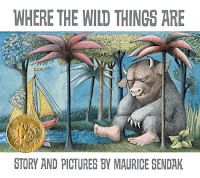
One of the most beloved titles, **“Where the Wild Things Are”** by Maurice Sendak, invites children on a fantastical journey with Max, a young boy who sails to an island inhabited by wild creatures. Sendak's ability to blend whimsical storytelling with expressive illustrations has made this tale a timeless exploration of imagination, adventure, and the power of home.
Another iconic gem, **“The Very Hungry Caterpillar”** by Eric Carle, introduces young readers to the wonders of nature and the concept of growth. With its vibrant, collage-style artwork and rhythmic text, Carle's book not only entertains but also educates children about the days of the week, counting, and the metamorphosis of a caterpillar into a butterfly—an inspiring transformation that resonates deeply.
**“Goodnight Moon”** by Margaret Wise Brown is yet another classic that has lulled countless children to sleep. Its soothing, rhythmic prose and gentle illustrations create a comforting bedtime ritual, making it a cherished staple on the shelves of families across the globe. The simple act of saying goodnight to various objects in the room fosters a sense of familiarity and security, perfect for winding down after a busy day.
Lastly, we cannot overlook **“Chicka Chicka Boom Boom”** by Bill Martin Jr. and John Archambault, a lively and rhythmic alphabet adventure that delights children with its playful approach to learning letters. The colorful, exuberant illustrations capture the energy of the story, allowing children to engage with the text in a memorable and enjoyable way.
These classic favorites not only showcase the incredible talents of their legendary authors but also reflect the timeless themes and lessons that resonate with young readers. As we delve into each of these iconic stories, it becomes clear how they continue to inspire curiosity, imagination, and a lifelong love for reading in children everywhere.
5. "Where the Wild Things Are" by Maurice Sendak "Where the Wild Things Are," penned by the legendary Maurice Sendak, is a timeless classic that has enchanted generations of young readers. First published in 1963, this beloved picture book invites children into the imaginative world of Max, a spirited boy who dons a wolf costume and embarks on an extraordinary adventure. The story begins with Max's mischief at home, where he is declared a "wild thing" by his mother and sent to bed without dinner. This act of defiance sets the stage for his journey—one that blurs the line between reality and fantasy.
As Max sails away to the land of the Wild Things, Sendak's whimsical and striking illustrations transport readers into a vibrant world filled with larger-than-life creatures. The Wild Things, with their grinning faces and playful antics, embody the untamed spirit of childhood imagination. With each turn of the page, children are drawn deeper into Max's escapade, where he tames the Wild Things and becomes their king, reveling in the freedom and chaos of his new kingdom.
Yet, beneath the adventurous surface, "Where the Wild Things Are" resonates with profound themes of loneliness, belonging, and the bittersweet nature of growing up. Max's eventual decision to return home highlights the importance of love and comfort found in familiar places, reminding young readers that even the wildest adventures are best enjoyed when they can be shared with those we love.
Maurice Sendak’s masterful combination of enchanting storytelling and evocative illustrations creates an immersive experience that captivates young imaginations while offering valuable life lessons. "Where the Wild Things Are" is more than just a picture book; it is a celebration of creativity and a cherished invitation to explore the wild and wonderful landscapes of our dreams. This beloved tale continues to resonate with children and adults alike, securing its place as a cornerstone of children's literature and an enduring classic that will be cherished for years to come.
6. "The Very Hungry Caterpillar" by Eric Carle
Eric Carle's "The Very Hungry Caterpillar" is a delightful journey through the transformative journey of a caterpillar as it munches its way through an array of delectable foods. First published in 1969, this iconic picture book has captivated the hearts and minds of children for generations, becoming a staple in children's literature. With its vibrant, collage-style illustrations and simple yet engaging narrative, Carle invites young readers to explore the world of colors, numbers, and the concept of growth.
The story begins with a tiny, seemingly insatiable caterpillar hatching from an egg, and from there, the adventure unfolds as it devours an astonishing variety of fruits and treats. Each page introduces a new food item, presented in a playful and visually appealing manner, making it an excellent resource for teaching counting and healthy eating habits. The rhythmic text, combined with Carle's signature cut-out design, encourages children to interact with the book, as they can poke their fingers through the holes made by the caterpillar’s munching.
As the story progresses, readers can feel the excitement build, culminating in the caterpillar’s transformation into a beautiful butterfly. This metamorphosis serves as a powerful metaphor for growth, change, and the beauty of nature. Carle's ability to weave educational themes into an entertaining narrative makes "The Very Hungry Caterpillar" not just a story, but a cherished learning experience.
Beyond its engaging storyline, the book's legacy is further enriched by Carle's unique artistic style, which has inspired countless young artists and readers alike. His dedication to children’s literature and his passion for storytelling shine through in every page, making this book a timeless classic.
Whether you’re sharing it with a child at bedtime or using it as a teaching tool in the classroom, "The Very Hungry Caterpillar" is sure to evoke smiles and spark imaginations, reminding us all of the joy found in simple pleasures and the magic of transformation.
7. "Goodnight Moon" by Margaret Wise Brown
A cornerstone of children's literature, "Goodnight Moon" by Margaret Wise Brown has enchanted generations of young readers with its soothing rhythm and tender illustrations. First published in 1947, this timeless classic invites children into a serene world where a little bunny bids goodnight to everything around him—a gentle homage to the comforting rituals of bedtime.
The story unfolds in a cozy, green-tinted room, filled with charming details that spark the imagination. As the bunny says goodnight to the "moon" and "the cow jumping over the moon," he also acknowledges the various objects in his room, from a red balloon to the "quiet old lady" who whispers "hush." Brown's lyrical prose, combined with Clement Hurd’s whimsical illustrations, creates a calming atmosphere that encourages little ones to settle down for the night.
Beyond its simple narrative, "Goodnight Moon" masterfully captures the essence of childhood wonder and the importance of routine. Its repetitive structure makes it an ideal read-aloud choice, allowing parents and children to bond over the familiar lines and soothing cadence. The book’s gentle invitation to say goodbye to the day makes it a cherished part of many bedtime routines, instilling a sense of safety and comfort that children carry into their dreams.
Margaret Wise Brown's legacy lives on through this beloved tale, which not only celebrates the beauty of a child's world but also serves as a reminder of the magic found in the simplest moments. "Goodnight Moon" remains a must-have on any child's bookshelf, a literary treasure that will continue to inspire and lull future generations to sleep.
8. "The Gruffalo" by Julia Donaldson
"The Gruffalo" by Julia Donaldson is a modern classic that has captivated the hearts of children and parents alike since its publication in 1999. This delightful picture book tells the story of a clever little mouse who outsmarts a series of predators in the woods with the help of a fictional creature known as the Gruffalo. The narrative is ingeniously crafted, combining playful rhymes with vibrant illustrations by Axel Scheffler that bring the enchanting world to life.
As the mouse walks through the deep, dark wood, he encounters a hungry fox, an owl, and a snake, each intent on making him their next meal. In a stroke of genius, the mouse weaves a tale of the Gruffalo, describing him as a fearsome beast with terrible tusks and terrible claws. As luck would have it, the mouse soon meets the very creature he invented, and with quick thinking, he turns the tables on all the animals who once threatened him.
What makes "The Gruffalo" truly memorable is its underlying message about bravery and intelligence. Children learn that sometimes, the greatest strength lies not in size or power, but in cleverness and resourcefulness. The rhythmic text and whimsical illustrations encourage early readers to engage with the story, making it a perfect read-aloud choice for parents and teachers.
Julia Donaldson's lively storytelling, paired with Scheffler's imaginative artwork, creates an irresistible charm that resonates with young audiences. The book has spawned a beloved sequel, "The Gruffalo's Child," and even animated adaptations, solidifying its status as a timeless tale. As children dive into the adventures of the mouse and the Gruffalo, they are transported into a world where wit prevails, making "The Gruffalo" a staple on the bookshelves of families everywhere.
9. "Chicka Chicka Boom Boom" by Bill Martin Jr. and John Archambault
"Chicka Chicka Boom Boom" is a delightful celebration of letters and rhythm that has captivated young readers since its publication. This enchanting picture book takes children on an unforgettable journey through the alphabet as the letters A to Z race to the top of a coconut tree. With its catchy, rhythmic text and vibrant illustrations by Lois Ehlert, this book invites kids to join in the fun as they eagerly anticipate the inevitable tumble of the letters when the tree becomes too crowded.
The genius of Bill Martin Jr. and John Archambault lies in their ability to weave simple yet engaging storytelling with educational elements. Each letter has its own personality, making the learning experience interactive and relatable. The repetitive and playful language encourages children to chant along, reinforcing their phonemic awareness while igniting their love for reading. The rhythmic cadence of “Chicka Chicka Boom Boom” is not just enjoyable; it transforms reading time into an exhilarating sing-along.
As the letters tumble down from the tree, children are introduced to themes of teamwork, resilience, and the joy of exploration. The bright, bold colors and whimsical illustrations engage the imagination, allowing young minds to visualize the playful antics of the letters. This book is more than just an introduction to the alphabet; it’s a timeless tale that fosters a sense of community among its characters and readers alike.
"Chicka Chicka Boom Boom" remains a staple in classrooms and homes, cherished by parents and educators for its delightful narrative and the enduring message that learning can be a joyful adventure. Through the clever collaboration of Martin and Archambault, this beloved classic continues to inspire a love of language and literacy in children aged 5-8, ensuring its place on bookshelves for generations to come.
10. "The Snowy Day" by Ezra Jack Keats
"The Snowy Day," a classic picture book published in 1962, remains a cornerstone of children's literature, enchanting young readers with its simple yet profound storytelling. Written and illustrated by Ezra Jack Keats, this beloved tale follows the adventures of a young boy named Peter as he explores his neighborhood blanketed in fresh, glistening snow. The illustrations, rendered in vibrant colors and textured collage, invite children to experience the magic of a winter wonderland through Peter's curious eyes.
Keats masterfully captures the innocence of childhood and the sheer joy that comes from playing in the snow—building snowmen, making snowballs, and leaving tiny footprints in the crisp white powder. The story resonates with its universal themes of exploration, imagination, and the wonder of nature, allowing children to see the world around them anew through Peter’s delightful experiences.
What sets "The Snowy Day" apart is not only its charming narrative but also its groundbreaking representation. Keats was one of the first African American authors to portray an African American child as the protagonist in a mainstream children's book. This important step toward inclusivity and diversity in literature has made the book a timeless treasure, cherished by generations of readers.
As children navigate the joys and challenges of growing up, "The Snowy Day" serves as a gentle reminder of the beauty found in simple moments and the importance of embracing one's environment. The timeless illustrations and relatable storyline make it an enduring favorite for parents, educators, and young readers alike, ensuring that the magic of Peter's snowy adventure will continue to inspire wonder and imagination for years to come.
11. "Brown Bear, Brown Bear, What Do You See?" by Bill Martin Jr. and Eric Carle "Brown Bear, Brown Bear, What Do You See?" is a beloved classic that has captivated young readers since its publication in 1967. This enchanting picture book, written by Bill Martin Jr. and beautifully illustrated by Eric Carle, invites children into a vibrant world filled with a delightful parade of animals. Each page turn reveals a new creature, beginning with the iconic brown bear and leading to a myriad of colorful friends—red bird, yellow duck, blue horse, and many more—each asking the question, "What do you see?"
The rhythmic, repetitive text is not only engaging but also serves as an excellent tool for early literacy. Children quickly catch on to the repetitive structure, eagerly anticipating the next animal and its color, making it an interactive experience that encourages participation. Martin's simple yet profound prose, combined with Carle's signature collage-style illustrations, creates a sensory feast that delights both the eyes and ears of young readers.
Beyond its entertainment value, "Brown Bear, Brown Bear, What Do You See?" offers myriad educational benefits. It introduces children to the concept of observation, color recognition, and animal identification, all while nurturing their love for reading. The book's soothing cadence and playful illustrations make it a perfect bedtime story or classroom read-aloud.
As children explore the pages of this timeless tale, they not only enjoy a captivating narrative but also embark on a journey of discovery and imagination. Bill Martin Jr. and Eric Carle have crafted a masterpiece that resonates across generations, ensuring that "Brown Bear, Brown Bear" will continue to be a cherished favorite for years to come.
12. Celebrating Diversity: Picture Books that Promote Inclusion
In a world that thrives on the richness of diversity, picture books have the unique power to introduce young readers to a tapestry of cultures, experiences, and perspectives. Among the most impactful contributions to children's literature are those that promote inclusion, encouraging empathy and understanding from an early age. These books not only tell captivating stories but also serve as vital tools for teaching children about the beauty of differences.
One remarkable title that stands out in this genre is **"Last Stop on Market Street"** by Matt de la Peña. This award-winning picture book takes readers on a journey through a vibrant city, following a young boy and his grandmother as they ride the bus. Through their observations and conversations, children are gently introduced to themes of socioeconomic disparity, the importance of community, and the value of seeing beauty in the world around them. De la Peña's lyrical prose and Christian Robinson's stunning illustrations create a rich narrative landscape that invites readers to embrace diversity in everyday life.
Another essential read is **"All Are Welcome"** by Alexandra Penfold and Suzanne Kaufman. This heartwarming story paints a picture of a school where children from all backgrounds come together to learn and play, showcasing a welcoming environment filled with diverse characters and experiences. The rhythmic text and colorful illustrations resonate with young readers, sending a powerful message that every child is valued, no matter their background. It encourages children to appreciate their peers’ differences and fosters a sense of belonging that is crucial in our increasingly interconnected world.
Finally, **"The Name Jar"** by Yangsook Choi is a poignant tale that explores the significance of names and identity. As a young girl named Unhei moves to a new country, she grapples with the challenge of fitting in while staying true to her heritage. This beautifully illustrated book encourages discussions about the importance of names, cultural pride, and the beauty of embracing one's uniqueness. Choi's gentle storytelling not only affirms the importance of inclusion but also celebrates the richness that diverse cultures bring to our lives.
As we delve into these timeless tales, it becomes clear that picture books celebrating diversity are not just stories for children; they are essential conversations that shape the minds and hearts of the next generation. By sharing these narratives, we empower young readers to appreciate differences, cultivate empathy, and foster an inclusive world where everyone feels seen and valued.
13. New Classics: Contemporary Picture Books Worth Reading
In the ever-evolving landscape of children's literature, contemporary picture books have emerged as shining gems that not only captivate young readers but also resonate with parents and educators seeking stories that reflect today’s diverse world. These new classics blend stunning illustrations with engaging narratives, capturing the imagination of children aged 5 to 8 while imparting valuable life lessons.
One standout title is **"The Day You Begin" by Jacqueline Woodson**, a beautifully illustrated book that explores themes of belonging and self-acceptance. Woodson's lyrical prose, paired with Rafael López's vibrant artwork, invites children to embrace their uniqueness while fostering empathy towards others. It’s a gentle reminder that everyone has a story, making it a must-read for cultivating emotional intelligence in young hearts.
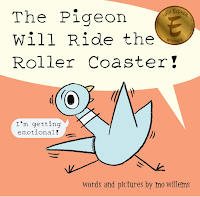
Another contemporary favorite is **"The Pigeon Will Ride the Roller Coaster!" by Mo Willems**. Known for his whimsical humor and relatable characters, Willems captures the exhilarating and sometimes daunting experience of trying something new. The interactive nature of the book encourages kids to express their feelings, making it a delightful read-aloud that sparks laughter and discussion.
**"Happy Pig Day!" by Mo Willems** is yet another delightful entry from this beloved author, celebrating friendship and the joy of sharing. In this tale, Piggie's exuberance is infectious, teaching young readers the importance of joyfulness and camaraderie in everyday life.
Finally, **"I Am Enough" by Grace Byers** is a powerful affirmation of self-worth and resilience, beautifully illustrated by Keturah A. Bobo. This lyrical book encourages children to embrace their individuality, promoting a message of strength, kindness, and acceptance that resonates deeply with today’s youth.
These contemporary picture books are not just stories; they are essential tools for raising thoughtful, compassionate children who are engaged with the world around them. By introducing these new classics into your reading repertoire, you’ll not only entertain young readers but also equip them with the values and understanding they need to navigate life’s challenges. In a world that continues to change, these stories remind us of the enduring power of storytelling and its ability to connect generations.
14. Tips for Choosing the Right Picture Books for Your Child
Selecting the perfect picture books for your child can be a delightful yet daunting task, especially in a world brimming with colorful covers and captivating tales. To ensure that the stories you introduce to your little ones are not only enjoyable but also enriching, consider these thoughtful tips.
**1. Know Your Child’s Interests:** Start by observing what excites your child. Are they fascinated by animals, adventure, magic, or perhaps the wonders of space? Choosing books that align with their passions can make reading time feel like an exciting journey rather than a chore.
**2. Look for Age-Appropriate Content:** Picture books for ages 5-8 often walk the fine line between simple storylines and deeper themes. Seek out stories that are age-appropriate, balancing simplicity in language with complexity in ideas. Books that inspire curiosity or provoke thought will resonate more with older children, while younger ones may prefer straightforward narratives.
**3. Consider Illustrations:** The visual element of picture books cannot be overstated. Vibrant, engaging illustrations can capture your child’s imagination and enhance their understanding of the story. Pay attention to the artistry—some books feature whimsical, cartoon-like characters, while others may use more sophisticated or realistic styles.
**4. Read Reviews and Recommendations:** Utilize online communities, bookstores, or libraries to find recommendations from other parents and educators. Websites like Goodreads or dedicated parenting blogs often provide insightful reviews that can guide you toward hidden gems or beloved classics.
**5. Test the Waters:** Before making a purchase, consider borrowing books from the library or checking them out at a local bookstore. Reading the story together can help you gauge your child’s reaction and interest. A book that sparks excitement during a first reading is likely to become a favorite.
**6. Look for Diversity and Inclusion:** Aim to enrich your child’s worldview by selecting books that feature diverse characters, cultures, and experiences. This not only fosters empathy but also helps children see themselves and others in the stories they read.
**7. Trust Your Instincts:** Ultimately, your intuition as a parent plays a crucial role. If a book resonates with you—whether it’s whimsical, educational, or beautifully illustrated—the chances are high that your child will feel the same way.
By keeping these tips in mind, you’ll be well-equipped to choose picture books that not only entertain but also inspire your child's imagination and love for reading. Happy storytelling!
15. Conclusion: The Enduring Impact of Picture Books on Young Readers
As we turn the final page of our exploration into the world of picture books, it’s important to reflect on the enduring impact these literary treasures have on young readers. Picture books are not merely stories; they are gateways to imagination, creativity, and critical thinking. For children aged 5 to 8, these vibrant narratives serve as a crucial foundation for language development, emotional understanding, and social skills.
The rich illustrations and engaging storytelling techniques employed by legendary authors invite children into a world where anything is possible. Each turn of the page is not just an opportunity to absorb words and pictures, but a chance to cultivate empathy, curiosity, and a love for reading that can last a lifetime. Characters like the adventurous Max from "Where the Wild Things Are," or the courageous little mouse in "If You Give a Mouse a Cookie," resonate deeply with young readers, leaving an imprint that shapes their understanding of themselves and the world around them.
Moreover, the communal experience of reading picture books—whether snuggled up with a parent at bedtime or shared among friends in a classroom—creates cherished memories that children carry with them into adulthood. These stories foster connections, sparking conversations and allowing children to navigate their feelings and experiences through the lens of beloved characters.
As we celebrate the timeless tales and the iconic authors behind them, it’s clear that picture books do more than entertain; they educate, inspire, and nurture the hearts and minds of young readers. Their influence stretches far beyond childhood, planting the seeds for lifelong learning, exploration, and creativity. In a world that is constantly evolving, the magic of picture books remains a constant, proving that stories will always hold the power to shape our lives and imaginations.
In conclusion, the enchanting world of picture books offers a treasure trove of stories that not only entertain but also ignite the imagination and foster a love for reading in children aged 5 to 8. From the whimsical illustrations to the heartfelt narratives, these timeless tales have the power to create cherished memories that last a lifetime. The legendary authors behind these masterpieces have crafted worlds that resonate with young readers, fostering empathy, creativity, and a sense of adventure. As you embark on this literary journey with your little ones, we encourage you to explore these unforgettable stories together, sparking discussions and shared experiences that will deepen your bond. So grab a cozy blanket, curl up with a good book, and let the magic of these remarkable tales unfold in your home!
1. Introduction to Picture Books: Why They Matter
In the world of children's literature, picture books hold a unique and cherished place, serving as the gateway to a universe of imagination and learning for young minds aged 5 to 8. These vibrant, illustrated narratives are not merely stories; they are powerful tools that foster a love for reading, ignite creativity, and enhance cognitive development. Picture books engage children through a rich tapestry of visuals and words, allowing them to visualize the narrative and comprehend complex ideas in a digestible format.
The importance of picture books transcends mere entertainment. They are instrumental in developing language skills, as children learn new vocabulary and sentence structures through the rhythm and flow of the text. Moreover, the combination of illustrations and storytelling nurtures critical thinking and comprehension, prompting discussions about characters, emotions, and moral lessons.
As children flip through the colorful pages, they embark on adventures that encourage empathy, resilience, and curiosity. Picture books also provide a shared experience for parents and caregivers, creating cherished moments of bonding over stories that spark laughter and joy. In a world increasingly dominated by screens, these tangible treasures remind us of the magic found in the printed word and the power of storytelling.
In this blog post, we will explore some of the most memorable picture books that have enchanted young readers for generations, along with the legendary authors behind them. Join us as we dive into these timeless tales that continue to shape the hearts and minds of children everywhere.
2. The Magic of Storytelling in Early Childhood
There’s an enchanting world that exists within the pages of a picture book, one that captivates the hearts and minds of children aged 5 to 8. At this tender age, kids are not just passive listeners; they are eager adventurers, ready to embark on journeys fueled by imagination and wonder. The magic of storytelling during these formative years is profound, igniting a spark of creativity that can last a lifetime.
Picture books serve as gateways to fantastical realms, where vibrant illustrations dance alongside engaging narratives. Authors like Eric Carle and Mo Willems have mastered the art of weaving words and images into a tapestry of storytelling that resonates with young readers. Carle’s "The Very Hungry Caterpillar" introduces concepts of growth and transformation through the charming tale of a caterpillar's journey to becoming a butterfly, while Willems’ "Don’t Let the Pigeon Drive the Bus!" captivates children with its humor and interactive storytelling, encouraging them to participate in the narrative.
Moreover, storytelling in early childhood is not just about entertainment; it's a crucial tool for development. As children immerse themselves in these tales, they enhance their vocabulary, comprehension skills, and emotional intelligence. They learn to empathize with characters facing challenges, cultivating a sense of understanding and compassion that extends beyond the pages. The rhythmic language and playful repetition found in many picture books also make reading a joyful experience, fostering a love for literature that can blossom into a lifelong passion.
In a world increasingly dominated by screens, the tactile experience of holding a picture book and turning its pages cannot be understated. The shared moments between a child and an adult, curled up together with a book, create lasting bonds and cherished memories. These storytelling sessions become cherished rituals, where laughter, excitement, and even the occasional tear weave together the fabric of family life.
As we delve into the most memorable picture books for kids aged 5-8, we celebrate not only the stories themselves but the legendary authors who have dedicated their lives to crafting these enchanting tales. Each book is not just a story; it’s a magical experience waiting to unfold, one that encourages curiosity, creativity, and a profound love for the written word.
3. Criteria for Timeless Tales: What Makes a Picture Book Memorable?
When considering what elevates a picture book to the status of a timeless tale, several key criteria come into play. These elements create a lasting impression on young readers and establish a connection that transcends generations.
**1. Engaging Narrative:** At the heart of every memorable picture book lies a captivating story. Whether it’s a whimsical adventure, an emotional journey, or a simple yet profound lesson, the narrative should resonate with children. It should ignite their imaginations and encourage them to explore the world around them. Timeless tales often feature universal themes such as friendship, courage, and kindness, allowing children to see reflections of their own experiences and emotions.
**2. Stunning Illustrations:** The power of a picture book is undeniably tied to its visuals. Illustrations are not just supplementary; they are integral to storytelling. Memorable picture books showcase vibrant, imaginative artwork that enhances the narrative and captivates young readers. Whether it’s the intricate details of a fantastical world or the expressive faces of beloved characters, illustrations should evoke emotions and spark curiosity.
**3. Relatable Characters:** Characters that children can relate to or aspire to be like are essential for creating memorable tales. These characters often embody traits and struggles familiar to young readers, making them feel understood and less alone. Whether it’s a brave little mouse, a curious child, or a wise old owl, the characters should invite empathy and connection, encouraging readers to root for their journeys.
**4. Rhythmic Language:** The use of rhythm and rhyme can make a picture book unforgettable. Authors who weave lyrical language into their narratives create a musical quality that enchants young listeners. This engaging style not only makes reading aloud a joy but also aids in language development, helping children to appreciate the sounds and patterns of words.
**5. Lasting Lessons:** Finally, the most memorable picture books often impart valuable life lessons or moral takeaways that resonate beyond the pages. Whether it’s the importance of sharing, the value of perseverance, or the magic of imagination, these lessons linger long after the story is finished, shaping young minds and hearts.
In summary, timeless picture books are defined by their engaging stories, stunning illustrations, relatable characters, rhythmic language, and meaningful lessons. These elements combined create a magical reading experience that stays with children well into their adulthood, ensuring that the tales remain cherished and revisited for years to come.
4. Classic Favorites: An Overview of Iconic Picture Books
In the enchanted world of children’s literature, certain picture books stand out like shimmering stars, captivating the imaginations of young readers for generations. These classic favorites do more than just entertain—they weave together enchanting stories with stunning illustrations, offering valuable life lessons and sparking creativity in the minds of children aged 5-8.
One of the most beloved titles, **“Where the Wild Things Are”** by Maurice Sendak, invites children on a fantastical journey with Max, a young boy who sails to an island inhabited by wild creatures. Sendak's ability to blend whimsical storytelling with expressive illustrations has made this tale a timeless exploration of imagination, adventure, and the power of home.
Another iconic gem, **“The Very Hungry Caterpillar”** by Eric Carle, introduces young readers to the wonders of nature and the concept of growth. With its vibrant, collage-style artwork and rhythmic text, Carle's book not only entertains but also educates children about the days of the week, counting, and the metamorphosis of a caterpillar into a butterfly—an inspiring transformation that resonates deeply.
**“Goodnight Moon”** by Margaret Wise Brown is yet another classic that has lulled countless children to sleep. Its soothing, rhythmic prose and gentle illustrations create a comforting bedtime ritual, making it a cherished staple on the shelves of families across the globe. The simple act of saying goodnight to various objects in the room fosters a sense of familiarity and security, perfect for winding down after a busy day.
Lastly, we cannot overlook **“Chicka Chicka Boom Boom”** by Bill Martin Jr. and John Archambault, a lively and rhythmic alphabet adventure that delights children with its playful approach to learning letters. The colorful, exuberant illustrations capture the energy of the story, allowing children to engage with the text in a memorable and enjoyable way.
These classic favorites not only showcase the incredible talents of their legendary authors but also reflect the timeless themes and lessons that resonate with young readers. As we delve into each of these iconic stories, it becomes clear how they continue to inspire curiosity, imagination, and a lifelong love for reading in children everywhere.
5. "Where the Wild Things Are" by Maurice Sendak "Where the Wild Things Are," penned by the legendary Maurice Sendak, is a timeless classic that has enchanted generations of young readers. First published in 1963, this beloved picture book invites children into the imaginative world of Max, a spirited boy who dons a wolf costume and embarks on an extraordinary adventure. The story begins with Max's mischief at home, where he is declared a "wild thing" by his mother and sent to bed without dinner. This act of defiance sets the stage for his journey—one that blurs the line between reality and fantasy.
As Max sails away to the land of the Wild Things, Sendak's whimsical and striking illustrations transport readers into a vibrant world filled with larger-than-life creatures. The Wild Things, with their grinning faces and playful antics, embody the untamed spirit of childhood imagination. With each turn of the page, children are drawn deeper into Max's escapade, where he tames the Wild Things and becomes their king, reveling in the freedom and chaos of his new kingdom.
Yet, beneath the adventurous surface, "Where the Wild Things Are" resonates with profound themes of loneliness, belonging, and the bittersweet nature of growing up. Max's eventual decision to return home highlights the importance of love and comfort found in familiar places, reminding young readers that even the wildest adventures are best enjoyed when they can be shared with those we love.
Maurice Sendak’s masterful combination of enchanting storytelling and evocative illustrations creates an immersive experience that captivates young imaginations while offering valuable life lessons. "Where the Wild Things Are" is more than just a picture book; it is a celebration of creativity and a cherished invitation to explore the wild and wonderful landscapes of our dreams. This beloved tale continues to resonate with children and adults alike, securing its place as a cornerstone of children's literature and an enduring classic that will be cherished for years to come.
6. "The Very Hungry Caterpillar" by Eric Carle
Eric Carle's "The Very Hungry Caterpillar" is a delightful journey through the transformative journey of a caterpillar as it munches its way through an array of delectable foods. First published in 1969, this iconic picture book has captivated the hearts and minds of children for generations, becoming a staple in children's literature. With its vibrant, collage-style illustrations and simple yet engaging narrative, Carle invites young readers to explore the world of colors, numbers, and the concept of growth.
The story begins with a tiny, seemingly insatiable caterpillar hatching from an egg, and from there, the adventure unfolds as it devours an astonishing variety of fruits and treats. Each page introduces a new food item, presented in a playful and visually appealing manner, making it an excellent resource for teaching counting and healthy eating habits. The rhythmic text, combined with Carle's signature cut-out design, encourages children to interact with the book, as they can poke their fingers through the holes made by the caterpillar’s munching.
As the story progresses, readers can feel the excitement build, culminating in the caterpillar’s transformation into a beautiful butterfly. This metamorphosis serves as a powerful metaphor for growth, change, and the beauty of nature. Carle's ability to weave educational themes into an entertaining narrative makes "The Very Hungry Caterpillar" not just a story, but a cherished learning experience.
Beyond its engaging storyline, the book's legacy is further enriched by Carle's unique artistic style, which has inspired countless young artists and readers alike. His dedication to children’s literature and his passion for storytelling shine through in every page, making this book a timeless classic.
Whether you’re sharing it with a child at bedtime or using it as a teaching tool in the classroom, "The Very Hungry Caterpillar" is sure to evoke smiles and spark imaginations, reminding us all of the joy found in simple pleasures and the magic of transformation.
7. "Goodnight Moon" by Margaret Wise Brown
A cornerstone of children's literature, "Goodnight Moon" by Margaret Wise Brown has enchanted generations of young readers with its soothing rhythm and tender illustrations. First published in 1947, this timeless classic invites children into a serene world where a little bunny bids goodnight to everything around him—a gentle homage to the comforting rituals of bedtime.
The story unfolds in a cozy, green-tinted room, filled with charming details that spark the imagination. As the bunny says goodnight to the "moon" and "the cow jumping over the moon," he also acknowledges the various objects in his room, from a red balloon to the "quiet old lady" who whispers "hush." Brown's lyrical prose, combined with Clement Hurd’s whimsical illustrations, creates a calming atmosphere that encourages little ones to settle down for the night.
Beyond its simple narrative, "Goodnight Moon" masterfully captures the essence of childhood wonder and the importance of routine. Its repetitive structure makes it an ideal read-aloud choice, allowing parents and children to bond over the familiar lines and soothing cadence. The book’s gentle invitation to say goodbye to the day makes it a cherished part of many bedtime routines, instilling a sense of safety and comfort that children carry into their dreams.
Margaret Wise Brown's legacy lives on through this beloved tale, which not only celebrates the beauty of a child's world but also serves as a reminder of the magic found in the simplest moments. "Goodnight Moon" remains a must-have on any child's bookshelf, a literary treasure that will continue to inspire and lull future generations to sleep.
8. "The Gruffalo" by Julia Donaldson
"The Gruffalo" by Julia Donaldson is a modern classic that has captivated the hearts of children and parents alike since its publication in 1999. This delightful picture book tells the story of a clever little mouse who outsmarts a series of predators in the woods with the help of a fictional creature known as the Gruffalo. The narrative is ingeniously crafted, combining playful rhymes with vibrant illustrations by Axel Scheffler that bring the enchanting world to life.
As the mouse walks through the deep, dark wood, he encounters a hungry fox, an owl, and a snake, each intent on making him their next meal. In a stroke of genius, the mouse weaves a tale of the Gruffalo, describing him as a fearsome beast with terrible tusks and terrible claws. As luck would have it, the mouse soon meets the very creature he invented, and with quick thinking, he turns the tables on all the animals who once threatened him.
What makes "The Gruffalo" truly memorable is its underlying message about bravery and intelligence. Children learn that sometimes, the greatest strength lies not in size or power, but in cleverness and resourcefulness. The rhythmic text and whimsical illustrations encourage early readers to engage with the story, making it a perfect read-aloud choice for parents and teachers.
Julia Donaldson's lively storytelling, paired with Scheffler's imaginative artwork, creates an irresistible charm that resonates with young audiences. The book has spawned a beloved sequel, "The Gruffalo's Child," and even animated adaptations, solidifying its status as a timeless tale. As children dive into the adventures of the mouse and the Gruffalo, they are transported into a world where wit prevails, making "The Gruffalo" a staple on the bookshelves of families everywhere.
9. "Chicka Chicka Boom Boom" by Bill Martin Jr. and John Archambault
"Chicka Chicka Boom Boom" is a delightful celebration of letters and rhythm that has captivated young readers since its publication. This enchanting picture book takes children on an unforgettable journey through the alphabet as the letters A to Z race to the top of a coconut tree. With its catchy, rhythmic text and vibrant illustrations by Lois Ehlert, this book invites kids to join in the fun as they eagerly anticipate the inevitable tumble of the letters when the tree becomes too crowded.
The genius of Bill Martin Jr. and John Archambault lies in their ability to weave simple yet engaging storytelling with educational elements. Each letter has its own personality, making the learning experience interactive and relatable. The repetitive and playful language encourages children to chant along, reinforcing their phonemic awareness while igniting their love for reading. The rhythmic cadence of “Chicka Chicka Boom Boom” is not just enjoyable; it transforms reading time into an exhilarating sing-along.
As the letters tumble down from the tree, children are introduced to themes of teamwork, resilience, and the joy of exploration. The bright, bold colors and whimsical illustrations engage the imagination, allowing young minds to visualize the playful antics of the letters. This book is more than just an introduction to the alphabet; it’s a timeless tale that fosters a sense of community among its characters and readers alike.
"Chicka Chicka Boom Boom" remains a staple in classrooms and homes, cherished by parents and educators for its delightful narrative and the enduring message that learning can be a joyful adventure. Through the clever collaboration of Martin and Archambault, this beloved classic continues to inspire a love of language and literacy in children aged 5-8, ensuring its place on bookshelves for generations to come.
10. "The Snowy Day" by Ezra Jack Keats
"The Snowy Day," a classic picture book published in 1962, remains a cornerstone of children's literature, enchanting young readers with its simple yet profound storytelling. Written and illustrated by Ezra Jack Keats, this beloved tale follows the adventures of a young boy named Peter as he explores his neighborhood blanketed in fresh, glistening snow. The illustrations, rendered in vibrant colors and textured collage, invite children to experience the magic of a winter wonderland through Peter's curious eyes.
Keats masterfully captures the innocence of childhood and the sheer joy that comes from playing in the snow—building snowmen, making snowballs, and leaving tiny footprints in the crisp white powder. The story resonates with its universal themes of exploration, imagination, and the wonder of nature, allowing children to see the world around them anew through Peter’s delightful experiences.
What sets "The Snowy Day" apart is not only its charming narrative but also its groundbreaking representation. Keats was one of the first African American authors to portray an African American child as the protagonist in a mainstream children's book. This important step toward inclusivity and diversity in literature has made the book a timeless treasure, cherished by generations of readers.
As children navigate the joys and challenges of growing up, "The Snowy Day" serves as a gentle reminder of the beauty found in simple moments and the importance of embracing one's environment. The timeless illustrations and relatable storyline make it an enduring favorite for parents, educators, and young readers alike, ensuring that the magic of Peter's snowy adventure will continue to inspire wonder and imagination for years to come.
11. "Brown Bear, Brown Bear, What Do You See?" by Bill Martin Jr. and Eric Carle "Brown Bear, Brown Bear, What Do You See?" is a beloved classic that has captivated young readers since its publication in 1967. This enchanting picture book, written by Bill Martin Jr. and beautifully illustrated by Eric Carle, invites children into a vibrant world filled with a delightful parade of animals. Each page turn reveals a new creature, beginning with the iconic brown bear and leading to a myriad of colorful friends—red bird, yellow duck, blue horse, and many more—each asking the question, "What do you see?"
The rhythmic, repetitive text is not only engaging but also serves as an excellent tool for early literacy. Children quickly catch on to the repetitive structure, eagerly anticipating the next animal and its color, making it an interactive experience that encourages participation. Martin's simple yet profound prose, combined with Carle's signature collage-style illustrations, creates a sensory feast that delights both the eyes and ears of young readers.
Beyond its entertainment value, "Brown Bear, Brown Bear, What Do You See?" offers myriad educational benefits. It introduces children to the concept of observation, color recognition, and animal identification, all while nurturing their love for reading. The book's soothing cadence and playful illustrations make it a perfect bedtime story or classroom read-aloud.
As children explore the pages of this timeless tale, they not only enjoy a captivating narrative but also embark on a journey of discovery and imagination. Bill Martin Jr. and Eric Carle have crafted a masterpiece that resonates across generations, ensuring that "Brown Bear, Brown Bear" will continue to be a cherished favorite for years to come.
12. Celebrating Diversity: Picture Books that Promote Inclusion
In a world that thrives on the richness of diversity, picture books have the unique power to introduce young readers to a tapestry of cultures, experiences, and perspectives. Among the most impactful contributions to children's literature are those that promote inclusion, encouraging empathy and understanding from an early age. These books not only tell captivating stories but also serve as vital tools for teaching children about the beauty of differences.
One remarkable title that stands out in this genre is **"Last Stop on Market Street"** by Matt de la Peña. This award-winning picture book takes readers on a journey through a vibrant city, following a young boy and his grandmother as they ride the bus. Through their observations and conversations, children are gently introduced to themes of socioeconomic disparity, the importance of community, and the value of seeing beauty in the world around them. De la Peña's lyrical prose and Christian Robinson's stunning illustrations create a rich narrative landscape that invites readers to embrace diversity in everyday life.
Another essential read is **"All Are Welcome"** by Alexandra Penfold and Suzanne Kaufman. This heartwarming story paints a picture of a school where children from all backgrounds come together to learn and play, showcasing a welcoming environment filled with diverse characters and experiences. The rhythmic text and colorful illustrations resonate with young readers, sending a powerful message that every child is valued, no matter their background. It encourages children to appreciate their peers’ differences and fosters a sense of belonging that is crucial in our increasingly interconnected world.
Finally, **"The Name Jar"** by Yangsook Choi is a poignant tale that explores the significance of names and identity. As a young girl named Unhei moves to a new country, she grapples with the challenge of fitting in while staying true to her heritage. This beautifully illustrated book encourages discussions about the importance of names, cultural pride, and the beauty of embracing one's uniqueness. Choi's gentle storytelling not only affirms the importance of inclusion but also celebrates the richness that diverse cultures bring to our lives.
As we delve into these timeless tales, it becomes clear that picture books celebrating diversity are not just stories for children; they are essential conversations that shape the minds and hearts of the next generation. By sharing these narratives, we empower young readers to appreciate differences, cultivate empathy, and foster an inclusive world where everyone feels seen and valued.
13. New Classics: Contemporary Picture Books Worth Reading
In the ever-evolving landscape of children's literature, contemporary picture books have emerged as shining gems that not only captivate young readers but also resonate with parents and educators seeking stories that reflect today’s diverse world. These new classics blend stunning illustrations with engaging narratives, capturing the imagination of children aged 5 to 8 while imparting valuable life lessons.
One standout title is **"The Day You Begin" by Jacqueline Woodson**, a beautifully illustrated book that explores themes of belonging and self-acceptance. Woodson's lyrical prose, paired with Rafael López's vibrant artwork, invites children to embrace their uniqueness while fostering empathy towards others. It’s a gentle reminder that everyone has a story, making it a must-read for cultivating emotional intelligence in young hearts.
Another contemporary favorite is **"The Pigeon Will Ride the Roller Coaster!" by Mo Willems**. Known for his whimsical humor and relatable characters, Willems captures the exhilarating and sometimes daunting experience of trying something new. The interactive nature of the book encourages kids to express their feelings, making it a delightful read-aloud that sparks laughter and discussion.
**"Happy Pig Day!" by Mo Willems** is yet another delightful entry from this beloved author, celebrating friendship and the joy of sharing. In this tale, Piggie's exuberance is infectious, teaching young readers the importance of joyfulness and camaraderie in everyday life.
Finally, **"I Am Enough" by Grace Byers** is a powerful affirmation of self-worth and resilience, beautifully illustrated by Keturah A. Bobo. This lyrical book encourages children to embrace their individuality, promoting a message of strength, kindness, and acceptance that resonates deeply with today’s youth.
These contemporary picture books are not just stories; they are essential tools for raising thoughtful, compassionate children who are engaged with the world around them. By introducing these new classics into your reading repertoire, you’ll not only entertain young readers but also equip them with the values and understanding they need to navigate life’s challenges. In a world that continues to change, these stories remind us of the enduring power of storytelling and its ability to connect generations.
14. Tips for Choosing the Right Picture Books for Your Child
Selecting the perfect picture books for your child can be a delightful yet daunting task, especially in a world brimming with colorful covers and captivating tales. To ensure that the stories you introduce to your little ones are not only enjoyable but also enriching, consider these thoughtful tips.
**1. Know Your Child’s Interests:** Start by observing what excites your child. Are they fascinated by animals, adventure, magic, or perhaps the wonders of space? Choosing books that align with their passions can make reading time feel like an exciting journey rather than a chore.
**2. Look for Age-Appropriate Content:** Picture books for ages 5-8 often walk the fine line between simple storylines and deeper themes. Seek out stories that are age-appropriate, balancing simplicity in language with complexity in ideas. Books that inspire curiosity or provoke thought will resonate more with older children, while younger ones may prefer straightforward narratives.
**3. Consider Illustrations:** The visual element of picture books cannot be overstated. Vibrant, engaging illustrations can capture your child’s imagination and enhance their understanding of the story. Pay attention to the artistry—some books feature whimsical, cartoon-like characters, while others may use more sophisticated or realistic styles.
**4. Read Reviews and Recommendations:** Utilize online communities, bookstores, or libraries to find recommendations from other parents and educators. Websites like Goodreads or dedicated parenting blogs often provide insightful reviews that can guide you toward hidden gems or beloved classics.
**5. Test the Waters:** Before making a purchase, consider borrowing books from the library or checking them out at a local bookstore. Reading the story together can help you gauge your child’s reaction and interest. A book that sparks excitement during a first reading is likely to become a favorite.
**6. Look for Diversity and Inclusion:** Aim to enrich your child’s worldview by selecting books that feature diverse characters, cultures, and experiences. This not only fosters empathy but also helps children see themselves and others in the stories they read.
**7. Trust Your Instincts:** Ultimately, your intuition as a parent plays a crucial role. If a book resonates with you—whether it’s whimsical, educational, or beautifully illustrated—the chances are high that your child will feel the same way.
By keeping these tips in mind, you’ll be well-equipped to choose picture books that not only entertain but also inspire your child's imagination and love for reading. Happy storytelling!
15. Conclusion: The Enduring Impact of Picture Books on Young Readers
As we turn the final page of our exploration into the world of picture books, it’s important to reflect on the enduring impact these literary treasures have on young readers. Picture books are not merely stories; they are gateways to imagination, creativity, and critical thinking. For children aged 5 to 8, these vibrant narratives serve as a crucial foundation for language development, emotional understanding, and social skills.
The rich illustrations and engaging storytelling techniques employed by legendary authors invite children into a world where anything is possible. Each turn of the page is not just an opportunity to absorb words and pictures, but a chance to cultivate empathy, curiosity, and a love for reading that can last a lifetime. Characters like the adventurous Max from "Where the Wild Things Are," or the courageous little mouse in "If You Give a Mouse a Cookie," resonate deeply with young readers, leaving an imprint that shapes their understanding of themselves and the world around them.
Moreover, the communal experience of reading picture books—whether snuggled up with a parent at bedtime or shared among friends in a classroom—creates cherished memories that children carry with them into adulthood. These stories foster connections, sparking conversations and allowing children to navigate their feelings and experiences through the lens of beloved characters.
As we celebrate the timeless tales and the iconic authors behind them, it’s clear that picture books do more than entertain; they educate, inspire, and nurture the hearts and minds of young readers. Their influence stretches far beyond childhood, planting the seeds for lifelong learning, exploration, and creativity. In a world that is constantly evolving, the magic of picture books remains a constant, proving that stories will always hold the power to shape our lives and imaginations.
In conclusion, the enchanting world of picture books offers a treasure trove of stories that not only entertain but also ignite the imagination and foster a love for reading in children aged 5 to 8. From the whimsical illustrations to the heartfelt narratives, these timeless tales have the power to create cherished memories that last a lifetime. The legendary authors behind these masterpieces have crafted worlds that resonate with young readers, fostering empathy, creativity, and a sense of adventure. As you embark on this literary journey with your little ones, we encourage you to explore these unforgettable stories together, sparking discussions and shared experiences that will deepen your bond. So grab a cozy blanket, curl up with a good book, and let the magic of these remarkable tales unfold in your home!
Subscribe to:
Comments (Atom)