Monday, August 12, 2024

Unlocking Chapter Books: When Should Your Child Start Reading Them and Top 5 Must-Reads!

As your child embarks on their literacy journey, the transition from picture books to chapter books marks a significant milestone in their reading development. Chapter books, with their engaging narratives and accessible language, open up a world of imagination, adventure, and learning that captivates young minds. But when is the right time to introduce these treasures to your budding reader? In this blog post, we’ll explore the signs that indicate your child is ready to tackle chapter books, while also providing insights into how to foster a love for reading that lasts a lifetime. Plus, we’ve curated a list of the top five must-read chapter books that are sure to spark joy and curiosity, making the reading experience both enjoyable and enriching. Join us as we unlock the magic of chapter books and set the stage for countless adventures in the written word!


1. Understanding Chapter Books: What Are They?

Chapter books represent a delightful transition in the literary journey of young readers, bridging the gap between picture books and more complex novels. Typically aimed at children aged 6 to 9, these books are characterized by their engaging narratives, well-defined characters, and age-appropriate themes, all presented in a format that encourages independence and confidence in reading. Unlike their picture book counterparts, chapter books contain fewer illustrations and are divided into chapters, allowing children to immerse themselves in longer stories.

The language in chapter books is richer than that found in early readers, introducing children to more sophisticated vocabulary and sentence structures. This gradual increase in complexity helps to develop their reading skills while still maintaining a sense of fun and adventure. The stories often include relatable situations and dynamic characters that resonate with young readers, making them eager to turn the pages.

Understanding chapter books is crucial for parents and educators as they guide children through this exciting literary phase. Recognizing when a child is ready to tackle chapter books—typically when they can read simple sentences fluently and express a desire for longer stories—can enhance their reading experience and foster a lifelong love for books. In this section, we will delve deeper into the qualities that make chapter books a perfect choice for emerging readers and explore how they can pave the way for a richer literary experience.


2. Benefits of Reading Chapter Books for Children

Reading chapter books offers a multitude of benefits that can profoundly influence a child's development and love for literature. Unlike picture books, which primarily focus on illustrations and simple narratives, chapter books introduce young readers to more complex storylines, characters, and themes. This shift not only fosters a deeper understanding of narrative structure but also enhances cognitive skills, as children learn to follow plots that unfold over several chapters.

One significant advantage of chapter books is their ability to improve vocabulary and language skills. As children encounter new words and phrases in context, they naturally expand their linguistic repertoire. This exposure not only helps with reading comprehension but also encourages more articulate expression in their own speech and writing.

Moreover, chapter books often tackle varied themes and topics that can spark critical thinking and empathy in young readers. They encourage discussions about different life experiences, cultures, and moral dilemmas, allowing children to explore the world beyond their immediate surroundings. This kind of engagement promotes emotional intelligence and helps them develop a sense of understanding and compassion toward others.

Additionally, the experience of reading a chapter book can foster a sense of accomplishment and independence. Completing a book with multiple chapters gives children a tangible sense of achievement, boosting their confidence in reading and motivating them to tackle more challenging texts in the future. This sense of mastery can be incredibly empowering, instilling a lifelong love for reading.

Finally, chapter books offer a wonderful opportunity for parents and children to bond over shared stories. Reading together can become a cherished routine, where parents can discuss the characters, plots, and their own interpretations, enriching the reading experience and building lasting memories. All these benefits make introducing chapter books a vital step in nurturing a child's literacy journey and love for literature.


3. Signs Your Child is Ready for Chapter Books

As your little one embarks on their reading journey, you may find yourself wondering when they are ready to transition from picture books to chapter books. This shift is a significant milestone that opens the door to new adventures, deeper stories, and more complex characters. Here are some key signs that your child is ready to dive into the world of chapter books:

1. **Increased Attention Span**: If your child can sit still and focus on a story for longer periods, they may be ready for the more extended narratives found in chapter books. Look for moments when they willingly engage with a story, asking questions and showing curiosity about what comes next.

2. **Interest in Characters and Storytelling**: When your child starts to express a desire for more intricate plots and develops a fascination with characters, it’s a strong indication they’re prepared for chapter books. They might start talking about their favorite characters from movies or shows and want to explore similar stories in book form.

3. **Reading Confidence**: If your child has mastered basic reading skills and feels confident tackling simple texts independently, it's time to introduce them to chapter books. Notice how they react to new words or complex sentences; a willingness to tackle challenges signifies readiness.

4. **Desire for Independence**: As children grow, they often crave more independence in their reading choices. If your child is expressing a desire to read "big kid" books like their older siblings or peers, it’s a sign that they’re ready for the challenge of chapter books.

5. **Curiosity About the World**: If your child shows an eagerness to learn about different topics and enjoys exploring new ideas, chapter books can be a perfect fit. These books often introduce themes that stimulate curiosity, allowing children to expand their knowledge while enjoying a good story.

When you observe these signs, it’s a wonderful opportunity to introduce chapter books into your child's reading routine. The transition can be seamless and enjoyable, setting the stage for a lifelong love of reading. To help you get started, we've compiled a list of top must-reads that will captivate their imagination and keep them turning the pages!


4. How to Transition from Picture Books to Chapter Books

Transitioning from picture books to chapter books is an exciting milestone in a child's reading journey, marking the shift from visual storytelling to more complex narratives. This transition can often feel daunting for both parents and children, but with the right approach, it can be a rewarding experience that ignites a lifelong love for reading.

First, it's important to ensure that your child feels comfortable with the idea of chapter books. Introduce them gradually by choosing books that still incorporate illustrations, as these visuals can help bridge the gap between the two formats. Look for chapter books that have engaging covers and captivating storylines to pique their interest. Titles that are part of a series often work well, as they allow children to become invested in familiar characters and settings.

Next, establish a reading routine that incorporates chapter books alongside their beloved picture books. This can ease the transition and give your child the opportunity to explore both formats without feeling overwhelmed. Consider setting aside dedicated reading time each day, where you can read together, encouraging discussions about the story as you go. Ask open-ended questions that prompt your child to think critically about the characters and plot, fostering a deeper understanding of the story.

Additionally, let your child take the lead in selecting chapter books. Encourage them to explore different genres and themes, as this autonomy will make them more excited about reading. Visit your local library or bookstore together, allowing them to choose books that spark their interest. You could also create a cozy reading nook at home, filled with their chosen chapter books, making the experience feel special and inviting.

Lastly, be patient and supportive during this transition. Some children may take to chapter books quickly, while others might need more time to adjust. Celebrate their progress, no matter how small, and provide plenty of encouragement along the way. Remember, the goal is to cultivate a love for reading, and with your guidance, your child will be well on their way to unlocking the magical world of chapter books!


5. Factors to Consider When Choosing Chapter Books

When selecting chapter books for your young reader, several key factors can help ensure a positive and engaging reading experience. First and foremost, consider the child's age and developmental stage. While chapter books typically target children ages 7 to 12, individual reading levels can vary significantly. Pay attention to their current skills—can they read independently, or do they prefer to be read to?

Next, think about their interests. A child who loves dinosaurs might be more excited about a chapter book centered around prehistoric adventures than one focused on fairy tales. Engaging their interests can make reading more enjoyable and encourage them to explore new genres as well.

The complexity of the language and themes is another crucial factor. Opt for books that are age-appropriate in both vocabulary and subject matter. A story with relatable characters and situations can help your child connect with the text, making it easier for them to grasp more complex narratives.

Illustrations also play a significant role in chapter books. While they may not be as abundant as in picture books, illustrations can still enhance comprehension and keep young readers engaged. Look for chapter books that incorporate visuals to break up the text and help them visualize the story.

Finally, consider the book’s length and pacing. Young readers might feel overwhelmed by lengthy chapters or slow-moving plots. Instead, select books with shorter chapters and dynamic storytelling that maintain their interest and motivation to read.

By taking these factors into account, you can make informed choices that will foster a love for reading and help your child transition smoothly into the world of chapter books. With the right selection, you’ll be setting them up for a literary journey filled with adventure and imagination!


6. Top 5 Must-Read Chapter Books for Young Readers

When it comes to introducing your child to the wonderful world of chapter books, the right stories can ignite a lifelong passion for reading. These books not only foster imagination and creativity but also help children develop critical thinking and comprehension skills. Here are five must-read chapter books that serve as perfect gateways for young readers, each brimming with adventure, relatable characters, and valuable life lessons.

1. **"Charlotte's Web" by E.B. White** This timeless classic tells the heartwarming story of a pig named Wilbur and his friendship with a clever spider named Charlotte. Through their enchanting bond, children learn about friendship, loyalty, and the cycle of life, all wrapped in a beautifully woven narrative that will leave them enchanted.

2. **"Magic Tree House: Dinosaurs Before Dark" by Mary Pope Osborne** The first book in the beloved Magic Tree House series whisks readers away on an exhilarating adventure through time. When siblings Jack and Annie discover a magical tree house filled with books, they embark on a thrilling journey to the age of dinosaurs. This engaging blend of history and imagination will captivate young minds and inspire curiosity about the world.

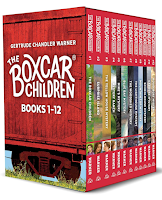
3. **"The Boxcar Children" by Gertrude Chandler Warner** Follow the adventures of four orphaned siblings who create a home for themselves in an abandoned boxcar. Their resourcefulness, courage, and strong family bonds resonate with young readers, teaching them the value of perseverance and teamwork. This series not only entertains but also encourages children to think critically and solve problems creatively.

4. **"Junie B. Jones Series" by Barbara Park** Junie B. Jones is the delightful and hilarious protagonist that every child can relate to. With her quirky personality and relatable school experiences, these books capture the ups and downs of childhood with humor and heart. Young readers will find themselves laughing along with Junie as she navigates friendships, school challenges, and the everyday adventures of growing up.

5. **"Pippi Longstocking" by Astrid Lindgren** Pippi Longstocking is the ultimate embodiment of independence and adventure. With her unconventional lifestyle, fiery red hair, and unmatched strength, Pippi challenges traditional norms and inspires children to embrace their uniqueness. This book encourages readers to be bold and confident while embarking on their own adventures, reminding them that imagination knows no bounds.

These five chapter books not only entertain but also enrich young minds, making them perfect choices for children ready to take the plunge into longer stories. By sharing these literary treasures with your little ones, you’ll help cultivate a love for reading that will last a lifetime!


6. Tips for Encouraging Independent Reading

Encouraging independent reading in children is a rewarding journey that can significantly enhance their literacy skills and foster a lifelong love for books. Here are some effective tips to help you nurture your child’s reading independence:

1. **Create a Cozy Reading Nook**: Designate a special space in your home just for reading, filled with comfortable seating, good lighting, and an inviting atmosphere. A cozy nook can make reading feel like an enjoyable retreat rather than a chore.

2. **Offer Choices**: Allowing your child to choose their own books can ignite their interest in reading. Visit your local library or bookstore together, and let them explore various genres—whether it's fantasy, adventure, or non-fiction. The more ownership they have over their selections, the more motivated they will be to read.

3. **Set a Reading Routine**: Establishing a daily reading routine can help children integrate reading into their lives. Whether it's a few minutes before bed or during a quiet afternoon, consistency will create a habit. You might even consider a family reading time where everyone picks a book and reads together.

4. **Model Reading Behavior**: Children learn by example. Show your enthusiasm for reading by discussing the books you enjoy, sharing interesting facts, or even reading aloud from your favorite titles. Your passion for books will inspire them to develop their own interest.

5. **Encourage Discussions**: After your child finishes a book, engage them in conversation about it. Ask open-ended questions about the characters, plot, and their personal thoughts on the story. This not only reinforces comprehension but also makes reading a shared experience.

By implementing these strategies, you can create an enriching environment that promotes independent reading, allowing your child to explore new worlds, expand their imagination, and develop critical thinking skills—all while enjoying the magic of stories!


7. Creating a Cozy Reading Environment at Home

Creating a cozy reading environment at home is essential for nurturing your child's love for books and encouraging them to dive into the enchanting world of chapter books. A well-designed reading nook can transform an ordinary space into a magical retreat where stories come alive, fostering imagination and concentration.

Start by selecting a quiet corner in your home, away from the hustle and bustle of daily activities. This space should be inviting and comfortable, so consider adding a plush bean bag chair or a soft rug where your child can snuggle up with a book. Warm lighting is key; a small table lamp or string lights can create a soothing ambiance that invites them to linger a little longer in their literary sanctuary.

Personalize the reading area with your child's favorite colors and decorations. Hang up some whimsical artwork, or let them help choose throw pillows that reflect their personality. A small bookshelf or storage bin nearby can keep their growing collection of chapter books organized and within easy reach, making it a breeze for them to select their next adventure.

Incorporating a few sensory elements can further enhance the experience. Soft background music or nature sounds can create a calming atmosphere, while a warm blanket can make their reading time feel even cozier. Encourage your child to bring along a favorite stuffed animal or a journal for jotting down thoughts about the stories they read, making the experience all the more engaging.

Lastly, set aside dedicated reading time as a family. Whether it’s a weekend ritual or a quiet evening routine, sharing stories together can strengthen bonds and highlight the joys of reading. By creating a cozy reading environment at home, you are not just setting the stage for chapter books; you are cultivating a lifelong love of literature that will enrich your child's life for years to come.


8. Incorporating Reading into Your Child's Daily Routine

Incorporating reading into your child's daily routine is a vital step in nurturing a lifelong love of literature. Establishing a consistent reading habit not only enhances their academic skills but also enriches their imagination and creativity. To seamlessly blend reading into your child's day, consider setting aside a specific time dedicated to this enriching activity. Whether it’s during breakfast, a quiet afternoon break, or right before bedtime, creating a routine helps signal to your child that reading is a valued part of their day.

Make reading a family affair by designating a “reading hour” where everyone in the household picks up their favorite book or shares what they’re reading. This not only fosters a shared love for literature but also creates a cozy atmosphere that encourages discussion and connection. You could also make use of car rides or waiting times by having audiobooks or story podcasts playing in the background. These moments can transform mundane waiting periods into delightful storytelling adventures.

Moreover, keep a selection of chapter books easily accessible in various locations—on the bookshelf in their room, the living room coffee table, or even a cozy reading nook. Allow your child to choose their reading material, as autonomy plays a crucial role in engagement. Dive into reading challenges or themed months that spark excitement, inviting them to explore different genres and topics.

By weaving reading into the fabric of daily life, you not only enhance comprehension and vocabulary but also instill a habit that can lead to countless adventures and discoveries within the pages of a book. Remember, the goal is to make reading an enjoyable and anticipated part of your child’s routine, paving the way for a lifelong relationship with literature.


9. The Role of Parents in Fostering a Love for Reading

As parents, you play a crucial role in nurturing your child's passion for reading, especially when it comes to transitioning from picture books to chapter books. Your enthusiasm and involvement can set the stage for a lifelong love of literature, transforming reading from a simple activity into a treasured habit.

Start by creating a rich literary environment at home. Surround your child with a variety of books that cater to their interests, whether they’re captivated by fantasy worlds, adventurous tales, or stories of friendship and courage. Regular trips to the library or bookstore can also spark excitement and give your child the opportunity to explore different genres and authors.

Reading together is another powerful way to foster a love for books. Set aside dedicated time to share a chapter from a book, allowing your child to hear the flow of the language and the excitement of storytelling. Engage them with questions about the characters and plot—this not only helps develop comprehension skills but also encourages them to think critically about what they read.

Moreover, be a reading role model. Let your child see you enjoying books and discussing them enthusiastically. Share your favorite stories and recommend titles that you believe they will love. Your passion can be contagious, inspiring them to dive into books with the same fervor.

Lastly, celebrate their reading milestones, whether it’s finishing their first chapter book or discovering a new author. Acknowledgment and encouragement can go a long way in boosting their confidence and reinforcing that reading is a rewarding and enjoyable journey. By actively participating in your child's reading life, you’ll help unlock the door to endless adventures and valuable learning experiences through books.


10. Resources for Finding Age-Appropriate Chapter Books

Finding age-appropriate chapter books for your budding reader can be both exciting and daunting. With the vast array of options available, it’s essential to know where to look to ensure that the books align with your child's reading level and interests. Here are some valuable resources that can help you navigate the literary landscape and uncover the perfect chapter books for your child.

**1. Local Libraries:** Your local library is an invaluable resource when it comes to discovering age-appropriate literature. Librarians are often well-versed in children's literature and can provide personalized recommendations based on your child's reading abilities and preferences. Many libraries also host reading programs that include curated book lists for different age groups.

**2. Online Bookstores and Retailers:** Websites like Amazon, Barnes & Noble, and Bookshop.org offer extensive sections dedicated to children's chapter books. These platforms often feature customer reviews and age recommendations, allowing you to gauge whether a book is suitable for your child. Look for best-seller lists in the children's section, as these can provide insight into popular choices among young readers.

**3. Educational Websites:** Websites like Scholastic and Common Sense Media provide comprehensive resources for parents seeking appropriate books for their children. Scholastic offers reading lists by grade level, while Common Sense Media includes reviews that highlight the age-friendliness of the content, themes, and writing style.

**4. Book Blogs and Social Media Groups:** The book blogging community is rich with recommendations for children's literature. Many bloggers specialize in children's books and regularly post reviews and lists of must-reads. Additionally, social media platforms like Facebook and Instagram have thriving communities where parents share their favorite chapter books and discuss their children's reading experiences.

**5. Reading Apps and Programs:** There are numerous reading apps designed to help children find books suited to their reading level. Programs like Epic! and Libby grant access to a treasure trove of digital chapter books, with features that allow you to filter by age, genre, and reading level. These platforms often include quizzes and interactive elements that engage young readers and foster a love for reading.

By utilizing these resources, you can ensure that your child is not only reading age-appropriate chapter books but also discovering stories that pique their interest and imagination. Happy reading!


11. Encouraging Discussion and Comprehension Skills

Encouraging discussion and comprehension skills is a vital part of helping your child navigate the world of chapter books. As children transition from picture books to more text-heavy stories, they may encounter complex themes, nuanced characters, and intricate plots that require a deeper level of understanding. Engaging your child in discussions about what they’re reading can significantly enhance their comprehension skills while also making the reading experience more interactive and enjoyable.

Start by asking open-ended questions that prompt your child to think critically about the story. For instance, you might ask, “What do you think motivated the main character to make that decision?” or “How do you feel about the ending of the book?” These types of questions encourage your child to express their thoughts and interpretations, fostering a sense of ownership over their reading.

In addition to discussing the plot, delve into the characters’ emotions and motivations. Encourage your child to identify with the characters and explore how they would react in similar situations. This not only builds empathy but also strengthens their ability to analyze and interpret diverse perspectives.

Consider creating a reading routine where you allocate time to discuss the chapters after your child finishes a section. This routine not only reinforces their learning but also nurtures a bond between you. Additionally, you can introduce comprehension tools like graphic organizers or story maps, which can help them visually break down the story and enhance their understanding.

Finally, don’t underestimate the power of connecting the book’s themes to real-life experiences. Whether it’s discussing friendship, bravery, or problem-solving, relating these themes to everyday scenarios can make the lessons found in chapter books resonate more deeply with your child. By fostering a love for discussion and comprehension, you will help your child not only become a more proficient reader but also a more engaged and thoughtful individual.


12. Celebrating Reading Milestones

Celebrating reading milestones is a wonderful way to encourage your child’s love for books and reinforce their achievements along the journey. Each step they take, from deciphering their first word to finishing an entire chapter book, deserves recognition. These milestones not only highlight their progress but also instill confidence and motivation to keep reading.

Start by creating a cozy reading nook at home where your child can immerse themselves in the world of stories. Once they finish their first chapter book, consider hosting a mini-celebration. This could be as simple as a small gathering with family or friends where they can share their favorite parts of the book or talk about the characters they loved. A special treat, like a homemade cake decorated with book themes or a small gift related to their favorite story, will make the occasion even more memorable.

You can also create a reading log or a colorful chart where they can track their completed books. For each milestone reached—be it the number of books read or the completion of a particularly challenging chapter book—reward them with a sticker or a small token. This not only marks their achievements but also visualizes their reading journey, making it all the more exciting.

Don’t forget the power of praise! A few heartfelt words of encouragement can go a long way. Celebrate their efforts, discuss the themes of the books they read, and ask open-ended questions that spark their creativity and critical thinking. This engagement not only helps strengthen their comprehension skills but also deepens their emotional connection to reading.

By turning reading milestones into celebrations, you’ll foster a lifelong love of literature in your child. Each book they conquer becomes a stepping stone in their educational journey, and with your support, they'll be eager to tackle the next adventure waiting on the pages ahead!


Conclusion: Nurturing a Lifelong Love for Reading

In conclusion, nurturing a lifelong love for reading in your child is one of the most rewarding gifts you can offer them. As they transition into chapter books, it's essential to create an environment that fosters curiosity and exploration. Celebrate their milestones, whether it's finishing their first chapter book or discovering a new favorite author. Your enthusiasm and encouragement can ignite their passion for stories and ideas, making reading an integral part of their daily lives.

Make reading a shared experience by setting aside time each day for family reading sessions, discussing the characters and plots, and encouraging them to express their thoughts about the stories they encounter. By weaving reading into your family routine, you help your child develop not just strong literacy skills, but also a deep appreciation for the narratives that shape our world.

Remember, the journey through literature is not a race; it's a wondrous adventure waiting to be explored. With patience and guidance, you can help your child discover the joy of books, paving the way for a lifetime filled with imagination, knowledge, and empathy. As they navigate the chapters of their favorite stories, they will also be learning important life lessons, honing their critical thinking skills, and developing a rich vocabulary—all essential tools for success in school and beyond.

So, as you watch your child dive into chapter books, relish these moments of growth. With the right support and a selection of engaging reads, you can help them unlock the doors to countless worlds, adventures, and friendships, ensuring that their love for reading endures for years to come.

Sunday, August 11, 2024

Books That Illuminate Native American History: A Reading List for Understanding Their Plight

Understanding Native American history is essential for grasping the broader narrative of the United States and its diverse cultural landscape. Yet, this rich and often tumultuous story is frequently overshadowed by mainstream historical accounts. To shed light on the struggles, resilience, and rich traditions of Indigenous peoples, we’ve curated a compelling reading list that features books illuminating various aspects of Native American history. From firsthand narratives to scholarly analyses, these works delve into the complexities of colonization, cultural survival, and the ongoing fight for rights and recognition. Whether you’re a history buff, a student, or simply someone seeking to expand your understanding of this vital topic, this reading list will guide you through the pages of powerful stories that honor the legacy and plight of Native Americans. Join us as we explore these essential texts that not only educate but also inspire a deeper connection to the multifaceted experiences of Indigenous communities.


1. Introduction to Native American History

The history of Native Americans is rich, complex, and often overlooked in mainstream narratives. Spanning thousands of years before European contact, the story of Indigenous peoples in North America is one of resilience, adaptation, and profound cultural depth. From vibrant societies with diverse languages and traditions to the harrowing experiences of colonization and forced displacement, the journey of Native Americans reflects a continuum of struggle and survival.

Understanding Native American history requires delving into the interconnectedness of their cultures, the impact of European settlement, and the ongoing fight for sovereignty and recognition. This narrative is not only about the past; it continues to shape contemporary issues faced by Indigenous communities, including land rights, cultural preservation, and social justice.

In this reading list, we aim to illuminate the rich tapestry of Native American history through a selection of insightful books that provide various perspectives. From historical accounts and personal memoirs to scholarly analyses and cultural explorations, these works serve as vital resources for anyone seeking to deepen their understanding of the Indigenous experience. Join us as we embark on a literary journey that honors the voices and stories of Native Americans, offering a more nuanced view of their past and present. Through these pages, we can learn, reflect, and advocate for a future where Native American histories are recognized and respected.


2. The Importance of Literature in Understanding History Literature serves as a powerful lens through which we can explore and understand the complexities of history, particularly in the context of Native American experiences. Books not only chronicle events but also capture the emotions, cultures, and perspectives of the people who lived through them. In the case of Native American history, literature offers invaluable insight into the social, political, and spiritual realities that have shaped Indigenous lives for centuries.

Through storytelling, authors convey the resilience and richness of Native cultures, often challenging the dominant narratives that have historically marginalized or misrepresented Indigenous voices. For instance, novels, essays, and poetry can evoke a deep sense of place and identity, grounding readers in the landscapes that hold significance for Native peoples. By engaging with these texts, readers are invited to step into a world where history is not merely a collection of dates and events but a vibrant tapestry woven from the threads of personal and communal experiences.

Moreover, literature serves as a bridge to understanding the ongoing impact of colonization, displacement, and cultural erasure that Native communities continue to face. It fosters empathy and awareness, encouraging readers to reflect critically on societal injustices and the importance of honoring Indigenous sovereignty and rights. As we delve into these narratives, we not only educate ourselves about the past but also recognize the lived realities of Native peoples today. In this way, literature becomes an essential tool for fostering a more inclusive and nuanced understanding of history, illuminating the plight of Native Americans in a manner that is both impactful and transformative.


3. Classic Works: Foundational Texts on Native American History

When delving into the rich tapestry of Native American history, classic works provide invaluable insights that lay the groundwork for understanding the complexities and nuances of Indigenous experiences. These foundational texts not only chronicle significant events but also explore the cultural, social, and political landscapes that have shaped Native communities over centuries.

One such essential read is **“Bury My Heart at Wounded Knee” by Dee Brown**, a poignant account that details the systematic displacement and brutal treatment of Native Americans during the expansion of the United States. Through firsthand accounts and meticulously researched narratives, Brown sheds light on the heartbreaking struggles faced by various tribes, offering a perspective that is often overlooked in traditional history books.

Another seminal work is **“The Heartbeat of Wounded Knee: Native America from 1890 to the Present” by David Treuer**. This compelling narrative serves as both a historical overview and a personal reflection, illustrating how Native American identity has persisted and evolved in the modern era. Treuer’s nuanced storytelling reveals the resilience and strength of Indigenous peoples, emphasizing that their history is not solely one of victimhood but also of survival and revival.

For readers interested in the intersection of law and Native rights, **“American Indian Law: Native Nations and the Federal System” by William C. Canby Jr.** is a must-read. This book offers a thorough examination of the legal frameworks that govern Native American sovereignty, treaties, and tribal governance. Canby’s expertise brings clarity to the often convoluted relationship between Native nations and the U.S. government, making it an essential resource for those seeking to understand contemporary legal struggles.

Additionally, **“The Indian Reorganization Act: The New Deal's Influence on Indian Affairs” by Michael C. Coleman** explores the transformative era of the 1930s when federal policies aimed to reverse some of the damages inflicted by previous assimilationist practices. Coleman’s work provides context to the socio-political landscape of Native America during a pivotal time, highlighting both the advancements and challenges that arose from the Reorganization Act.

These classic works are more than just books; they are windows into the past that illuminate the ongoing narratives of Native American communities. They encourage readers to engage with history thoughtfully and empathetically, fostering a deeper understanding of the contemporary issues that continue to affect Indigenous peoples today. As you embark on this reading journey, you will not only enrich your historical knowledge but also cultivate a greater awareness of the resilience and contributions of Native American cultures throughout history.


4. Contemporary Voices: Modern Authors and Their Perspectives

The narrative of Native American history is not solely rooted in the past; it is also vibrantly alive in the voices of contemporary authors who bring fresh perspectives and insights to the ongoing struggles and triumphs of Indigenous communities. These modern voices offer a nuanced understanding of the challenges faced by Native peoples today, contributing to a broader dialogue about identity, resilience, and the quest for justice.

One such author is Tommy Orange, whose acclaimed novel *There There* intertwines the lives of twelve characters in Oakland, California, reflecting the complexity of urban Native American identity. Through his vivid storytelling, Orange sheds light on the multifaceted experiences of Indigenous individuals navigating modern society, grappling with issues of cultural dislocation, addiction, and the legacy of colonialism.

Another powerful voice is Louise Erdrich, a member of the Turtle Mountain Band of Chippewa Indians, whose works often explore themes of family, land, and the intersection of Native and non-Native cultures. In her novel *The Round House*, Erdrich delves into the impact of violence against Native women, offering a poignant commentary on the legal and social injustices that persist in contemporary Native life.

In poetry, Joy Harjo, the first Native American Poet Laureate of the United States, uses her lyrical prowess to weave together personal and collective histories. Her collection *An American Sunrise* is a profound reflection on displacement, memory, and the enduring spirit of Indigenous peoples, inviting readers to engage with the past while envisioning a hopeful future.

These contemporary authors not only illuminate the struggles of their communities but also inspire empathy and understanding among readers. By engaging with their works, you will gain deeper insights into the ongoing narrative of Native American history, recognizing that it is a living story that continues to evolve, shaped by the voices of those who experience it firsthand.


5. Fiction vs. Non-Fiction: The Role of Each in Historical Understanding

When it comes to understanding Native American history, both fiction and non-fiction play pivotal yet distinct roles in shaping our perceptions and insights. Each genre offers a unique lens through which to explore the complexities of Indigenous experiences, allowing readers to engage with history in profound ways.

**Non-Fiction** serves as the backbone of historical understanding. It provides factual accounts, scholarly research, and firsthand narratives that delve into the harsh realities of colonization, displacement, and cultural erasure. Works like "Bury My Heart at Wounded Knee" by Dee Brown present meticulously researched historical events from the perspective of Native Americans, illuminating the struggles and resilience of Indigenous peoples. Non-fiction not only educates but also challenges prevailing narratives, urging readers to confront uncomfortable truths about America's past.

On the other hand, **Fiction** offers a different kind of power. Through storytelling, novels can evoke emotions and foster empathy in ways that statistics and dry accounts often cannot. Works such as "There There" by Tommy Orange weave together diverse voices and experiences, creating a tapestry of contemporary Native life that resonates on a personal level. Fiction can transport readers into the heart of a community, allowing them to experience the complexities of identity, family, and culture. By humanizing historical events, fiction can provoke critical thought and inspire deeper connections to the material.

In essence, while non-fiction lays the groundwork for understanding the historical context, fiction breathes life into those facts, allowing readers to feel and reflect on the human experience behind the events. Engaging with both genres is essential for anyone seeking a holistic understanding of Native American history, as they complement each other, enriching our awareness of the past and its ongoing impact on present-day Indigenous communities. By immersing ourselves in these diverse narratives, we can better appreciate the resilience and richness of Native American cultures, fostering a more nuanced understanding of their plight.


6. Key Themes in Native American Literature

Native American literature is a rich tapestry that weaves together diverse voices, experiences, and histories. At the heart of this literary tradition are several key themes that not only reflect the unique cultural perspectives of Native American communities but also resonate with universal human experiences. Understanding these themes can deepen our appreciation for the literature and the stories it tells.

One prominent theme is the connection to the land. For many Indigenous authors, the landscape is not just a backdrop but a living entity that shapes identity, spirituality, and culture. Books often explore the profound relationship between people and their environment, highlighting the sacredness of nature and the devastating impacts of colonization and environmental degradation. This theme invites readers to reflect on their own relationship with the earth and the importance of stewardship.

Another significant theme is the struggle for identity. Native American literature often delves into the complexities of cultural identity, especially in the context of colonization and assimilation. Authors explore the challenges faced by individuals as they navigate between traditional ways of life and the pressures of modern society. This theme can be particularly poignant in stories of mixed heritage, where characters grapple with conflicting cultural expectations and the quest for belonging.

The theme of resilience and survival also permeates Native American literature. Many authors recount the historical traumas faced by Indigenous peoples, including displacement, genocide, and cultural erasure. Yet, through these narratives, readers witness stories of strength, resistance, and the ongoing fight for justice and recognition. This theme serves as a powerful reminder of the endurance of Native cultures and their capacity to thrive despite adversity.

Additionally, the importance of storytelling itself is a recurrent motif. Storytelling is a fundamental aspect of Native American traditions, used to pass down knowledge, teach moral lessons, and preserve history. In literature, authors often emphasize the power of stories to heal, educate, and connect individuals to their heritage, underscoring the belief that narratives are vital for cultural survival.

Lastly, the theme of community and interconnectedness is prevalent throughout Native American literature. These narratives often highlight the significance of relationships—whether familial, communal, or spiritual—and the ways in which individuals are shaped by their connections to others. Readers are invited to consider the broader web of relationships that influence identity and experience.

By engaging with these key themes, readers can gain a deeper understanding of Native American history and the ongoing challenges faced by Indigenous peoples. The literature serves not only as a window into another world but also as a mirror reflecting our shared humanity, encouraging empathy and insight in the journey toward understanding and reconciliation.


7. Children's and Young Adult Literature: Educating the Next Generation

When it comes to understanding Native American history and culture, fostering awareness in the younger generation is crucial. Children's and young adult literature serves as a powerful gateway for young readers to engage with Indigenous perspectives and narratives. These books not only entertain but also educate, offering insights into the rich tapestry of Native American experiences that may otherwise be overlooked in traditional educational settings.

Titles like "The Birchbark House" by Louise Erdrich invite children into the world of a young Ojibwe girl, exploring themes of family, resilience, and connection to the land. Similarly, "Smoke Signals" by Sherman Alexie, while primarily a film, has inspired a series of adaptations and companion novels that resonate with young adults, addressing contemporary issues faced by Native communities through relatable characters and engaging plots.

Moreover, picture books such as "We Are Water Protectors" by Carole Lindstrom empower young readers with lessons about environmental stewardship and Indigenous rights, all while showcasing the importance of community and activism. These narratives not only illuminate the historical context of Native American struggles but also celebrate their cultures and contributions, instilling a sense of respect and understanding in young minds.

By integrating these stories into reading lists and classrooms, educators and parents can help cultivate empathy and awareness, ensuring that the next generation is better equipped to understand and honor the complexities of Native American history and the ongoing challenges faced by these communities. In doing so, we pave the way for a more informed and compassionate future.


8. Biographies and Memoirs: Personal Narratives that Matter

Biographies and memoirs are powerful windows into the lived experiences of Native Americans, offering personal narratives that bring history to life in profound and relatable ways. These firsthand accounts not only document the struggles and triumphs of individuals but also reflect the broader cultural and societal challenges faced by Native communities throughout history.

One such compelling memoir is "The Woman Who Spent the Last Year of Her Life in the Woods" by Mary Crow Dog. In her poignant narrative, Crow Dog shares her journey as an activist and a member of the Lakota Sioux tribe, shedding light on the complexities of identity and the fight for justice. Her story intertwines personal anecdotes with historical context, illustrating the resilience of her people in the face of adversity.

Similarly, "An Indigenous Peoples' History of the United States" by Roxanne Dunbar-Ortiz offers a critical perspective through the lens of Indigenous experiences. While not strictly a memoir, Dunbar-Ortiz incorporates personal stories and testimonies that highlight the impact of colonization on Native American lives. This blend of biography and historical analysis invites readers to understand the systemic challenges Indigenous communities continue to confront.

In "Heart Berries," Terese Marie Mailhot provides an intimate look at her life as a Native woman navigating the complexities of trauma, love, and identity. Her poetic prose captures the nuances of her experiences and the broader implications of living in a world shaped by colonial legacies.

These personal narratives are not just stories; they are vital pieces of the larger puzzle of Native American history. They challenge readers to confront difficult truths while fostering empathy and understanding. By immersing ourselves in these powerful accounts, we gain insight into the resilience of Indigenous peoples and the ongoing struggles they face, enriching our comprehension of their history and plight. Whether you’re a seasoned reader of Indigenous literature or just beginning your journey, these biographies and memoirs are essential for cultivating a deeper appreciation of Native American experiences and perspectives.


9. The Impact of Colonization: Books that Explore Historical Context

Understanding the impact of colonization on Native American communities requires a deep dive into the historical context that shaped their experiences and struggles. Several powerful books illuminate this complex history, offering readers a nuanced perspective on the events that have defined Indigenous lives throughout the centuries.

One essential read is "An Indigenous Peoples’ History of the United States" by Roxanne Dunbar-Ortiz. This groundbreaking work reframes American history through the lens of Indigenous experiences, tracing the violent colonization and systemic oppression faced by Native populations. Dunbar-Ortiz skillfully weaves together historical facts, personal narratives, and critical analysis, challenging the traditional narratives that often overlook the resilience and agency of Indigenous peoples.

Another poignant title is "Bury My Heart at Wounded Knee" by Dee Brown, which chronicles the history of Native Americans in the American West. By detailing the injustices faced by various tribes, Brown paints a vivid picture of the struggles for survival and sovereignty, while also highlighting key events such as the massacre at Wounded Knee. This powerful narrative humanizes the historical accounts, making it an essential read for anyone seeking to understand the ramifications of colonization.

Moreover, "The Heartbeat of Wounded Knee: Native America from 1890 to the Present" by David Treuer offers a contemporary examination of Native American life. Treuer's work not only reflects on the historical impact of colonization but also showcases the ongoing resilience and cultural revival within Indigenous communities. His blend of history, memoir, and commentary provides a comprehensive look at the ways in which Native Americans continue to navigate and resist the legacies of colonization.

These books, among others, serve as vital resources for anyone eager to understand the historical context of Native American experiences. They not only illuminate the past but also encourage readers to reflect on the ongoing implications of colonization and the importance of honoring Indigenous voices and perspectives in discussions about history and justice.


10. Indigenous Perspectives: Works by Native Authors

To truly understand Native American history and the myriad complexities of their experiences, it is essential to engage with works created by Indigenous authors themselves. These voices provide invaluable insight into the rich tapestry of Native cultures, traditions, and contemporary challenges, all while challenging the often one-dimensional narratives perpetuated by non-Indigenous perspectives.

Authors like Louise Erdrich, whose novels weave together historical events with deeply personal stories, invite readers into the lived realities of Native communities. In her acclaimed work "The Round House," Erdrich explores themes of justice and resilience in the face of violence, illuminating both the historical trauma and the enduring strength of her ancestors.

Similarly, Tommy Orange’s "There There" presents a powerful narrative that interconnects the lives of multiple characters, each grappling with their identity and heritage in modern-day Oakland. Through his storytelling, Orange sheds light on the complexities of urban Indigenous life, reminding us that Native experiences are not confined to romanticized notions of the past.

Additionally, books like "Braiding Sweetgrass" by Robin Wall Kimmerer blend Indigenous wisdom with scientific understanding, urging readers to appreciate the deep relationship between people and the natural world. Kimmerer’s poetic prose offers a perspective that emphasizes reciprocity and respect, fostering a deeper connection to the land that is often overlooked in mainstream narratives.

By immersing yourself in these Indigenous perspectives, you not only gain a richer understanding of historical contexts but also engage with the ongoing struggles and triumphs of Native peoples today. These works serve as vital tools for education and empathy, making them essential additions to any reading list aimed at comprehending the intricacies of Native American history and the current plight of Indigenous communities.


11. Poetry as a Form of Resistance and Reflection

Poetry has long served as a powerful medium for expressing the complexities of Native American identity, culture, and history. In this section, we delve into how poetry operates not just as an art form, but as a profound act of resistance and reflection. Native American poets often weave together personal narratives with broader cultural themes, providing readers with insight into the struggles, resilience, and beauty of Indigenous life.

One exemplary work is "An American Sunrise" by Joy Harjo, the first Native American Poet Laureate of the United States. In this collection, Harjo draws on her Muscogee heritage to explore themes of loss, memory, and reclamation. Her verses resonate with the pain of historical injustices while celebrating the enduring spirit of her people, inviting readers to reflect on the broader implications of colonization and survival.

Similarly, in "The Woman Who Fell from the Sky" by John Trudell, poetry becomes a conduit for storytelling that encapsulates the experiences of Native Americans in contemporary society. Trudell’s work often reflects themes of activism and resistance against systemic oppression, urging readers to confront the stark realities faced by Indigenous communities.

Through vivid imagery and evocative language, these poets not only honor their ancestors but also challenge the dominant narratives surrounding Native American history. They call on readers to engage with the emotional and spiritual dimensions of their experiences, fostering a deeper understanding of their plight.

In exploring these poetic works, readers are invited to reflect on the ongoing struggles for sovereignty, identity, and cultural preservation. By engaging with poetry as a form of resistance, we gain not only a richer appreciation for Native American literature but also a profound awareness of the resilience and strength that flourish in the face of adversity.


12. Graphic Novels and Visual Storytelling in Native American History

Graphic novels and visual storytelling have emerged as powerful mediums for conveying the complexities of Native American history, providing an engaging way to explore narratives that are often overlooked in traditional texts. These visual narratives combine striking artwork with poignant storytelling, making them accessible to a diverse audience. They serve not only to entertain but also to educate, offering insights into the rich cultures, struggles, and resilience of Native American communities.

One standout example is *“American Indian Stories”* by Zitkala-Sa, which blends autobiography with illustrations that capture the essence of her experiences as a Yankton Sioux woman. The graphic novel format breathes new life into her stories, allowing readers to visually connect with her journey and the broader issues faced by Indigenous peoples.

Another noteworthy title is *“The Red Road”* by the American Indian Movement’s co-founder, which uses vivid illustrations to depict the ongoing fight for sovereignty and justice. Through its powerful imagery and narrative, it highlights the historical trauma and resilience of Native communities, making the issues more relatable and immediate.

These graphic novels often feature collaborations between Native artists and writers, ensuring that the narratives are authentic and rooted in lived experiences. The amalgamation of art and history creates a unique space for reflection and understanding, challenging stereotypes and fostering empathy.

As you delve into this genre, you'll find that graphic novels are not just a means of storytelling; they're a vital tool for advocacy and education. They invite readers to engage with Native American history in a visually dynamic way, sparking conversations that can lead to greater awareness and appreciation of Indigenous cultures. For anyone looking to deepen their understanding of Native American history, these titles offer a compelling entry point that combines artistry with activism, illuminating the path toward a more informed and respectful dialogue.


13. Recommendations for Other Resources

Expanding your understanding of Native American history requires a commitment to exploring diverse perspectives and narratives. Here are some carefully curated recommendations for further reading and resources that will deepen your knowledge and appreciation of the rich tapestry of Native American experiences.


**Documentaries and Films:**

1. **"Reel Injun"** - This documentary examines the portrayal of Native Americans in Hollywood films, revealing how these representations have shaped public perception and understanding of Indigenous peoples.

2. **"Smoke Signals"** - Based on a short story by Sherman Alexie, this film is a groundbreaking work that authentically represents Native American life and culture, blending humor and heartache.


**Online Resources:**

- **Native American Heritage Month (nps.gov)** - Explore a wealth of educational materials, historical accounts, and cultural resources provided by the National Park Service to celebrate and understand Native American heritage.

- **The American Indian Museum (si.edu)** - The Smithsonian’s National Museum of the American Indian offers extensive online exhibits and resources that highlight the history, art, and culture of Indigenous peoples across the Americas.

By diving into these recommended readings and resources, you will not only enrich your understanding of Native American history but also engage with the voices and stories that deserve recognition and respect. Each book, film, and resource contributes to a broader narrative that is essential for fostering empathy, awareness, and advocacy for Indigenous rights and sovereignty.


14. How to Approach These Texts: Tips for Critical Reading

Approaching texts about Native American history requires a mindful and critical lens, as these narratives often intertwine with complex themes of resilience, identity, and colonial impact. Here are some tips to enhance your reading experience and deepen your understanding of these vital stories.

**1. Contextualize the Author’s Perspective:** Understanding the background of the author can significantly enrich your reading. Many Native American authors draw from personal experiences and cultural heritage, providing insights that are often absent in mainstream historical narratives. Researching the author’s biography and their connection to the subject matter can illuminate their unique perspectives and the motivations behind their writing.

**2. Engage with Multiple Sources:** To grasp the multifaceted nature of Native American history, it’s essential to read a variety of texts. This can include memoirs, historical accounts, poetry, and academic analyses. By approaching the subject from different angles, you can develop a more nuanced understanding of the challenges and victories faced by Native communities throughout history.

**3. Reflect on Language and Terminology:** Many books on Native American history may use terminology that reflects the time period or the author's perspective. Be aware of the evolving language surrounding Indigenous peoples and consider how these choices shape the narrative. This awareness can foster a more critical engagement with the text and prompt you to question the implications behind certain terms.

**4. Take Notes and Ask Questions:** As you read, jot down your thoughts, questions, and reactions. What resonates with you? What challenges your preconceived notions? This practice not only helps you retain information but also encourages an active dialogue with the text. Remember, critical reading is about engaging with the material, so don’t hesitate to question the author's assertions or the context presented.

**5. Discuss with Others:** Sharing your thoughts and insights with fellow readers can enhance your understanding. Consider joining a book club focused on Native American literature or participating in online forums. Engaging in discussions can expose you to diverse interpretations and deepen your appreciation for the complexities of indigenous histories.

**6. Approach with Empathy and Openness:** Finally, approach these texts with an open heart and mind. Many of these stories tell of pain, struggle, and resilience, and it’s important to honor the voices that have often been marginalized. Allow yourself to be moved by the narratives, and recognize the strength of the communities behind them.

By applying these critical reading strategies, you will not only enhance your comprehension but also foster a deeper respect for the rich and varied tapestry of Native American history. Each book you explore serves as a window into the past, offering vital lessons and insights that are essential for understanding the ongoing challenges faced by Indigenous peoples today.


15. Conclusion: The Ongoing Journey of Understanding and Advocacy

In conclusion, the journey of understanding Native American history is not just a quest for knowledge, but a commitment to advocacy and awareness that continues to evolve. The books highlighted in this reading list serve as vital resources, offering insights into the rich tapestry of Native cultures, the complexities of their struggles, and the resilience they exhibit in the face of adversity. Each narrative—be it historical, autobiographical, or fictional—provides a window into the lived experiences of Indigenous peoples, allowing readers to comprehend the depth of their history and the importance of their contemporary issues.

As we turn the pages of these profound works, we must also recognize that our learning does not end with reading. Advocacy goes hand in hand with understanding; it requires us to amplify Indigenous voices, support sovereignty, and engage in meaningful dialogues about land rights, cultural preservation, and social justice. By integrating the lessons gleaned from these texts into our daily lives, we can contribute to a broader movement that honors and respects Native American heritage.

Let this reading list be a starting point, encouraging not only further exploration of these essential topics but also a personal journey towards allyship. The path to understanding is ongoing, and as we uncover more about the histories and realities of Native communities, we become better equipped to stand in solidarity with them. Remember, awareness is the first step toward change, and through collective efforts, we can help to build a future that acknowledges and celebrates the richness of Native American culture and history.


In conclusion, the journey through Native American history is profound and complex, and the books we've highlighted in this reading list serve as vital gateways to understanding the rich tapestry of their experiences, struggles, and resilience. Each title offers unique insights, perspectives, and narratives that illuminate the often-overlooked aspects of a culture that has significantly shaped the American landscape. By engaging with these works, readers can foster a deeper appreciation for Native American history and the ongoing plight for justice and recognition. We encourage you to dive into these stories, reflect on their lessons, and amplify the voices of Indigenous communities. Together, through education and empathy, we can contribute to a more inclusive narrative and a brighter future for all.

10 Must-Read Books to Kickstart Your High School Journey Before Graduation

***This list is just a suggested list, it is not meant to be political or controversial. Each person chooses books to read based on their own background and values. These are books we read in high school, and we present them here as a way to encourage high school students, and their parents and teachers to create their own list before graduation.***


Embarking on the high school journey is an exhilarating and transformative experience, filled with new challenges, friendships, and opportunities for growth. As students navigate through this pivotal stage, the right books can provide not only invaluable wisdom but also inspiration and guidance to help shape their identities and futures. Whether you're a fresh-faced freshman or a determined senior, immersing yourself in literature that resonates with your unique high school experience can enhance your understanding of the world and yourself. In this blog post, we’ll explore ten must-read books that every high school student should delve into before graduation. From eye-opening novels that tackle themes of identity and resilience to insightful non-fiction that offers practical advice for navigating life’s complexities, these selections will serve as essential companions on your journey, sparking curiosity, igniting passion, and equipping you with the tools to thrive both in and out of the classroom. Grab a cozy spot and get ready to discover the literary treasures that will accompany you through these formative years!


1. Introduction: The Importance of Reading in High School

As students embark on their high school journey, they find themselves at a pivotal crossroads—one that not only shapes their academic skills but also influences their personal growth and worldview. The importance of reading during this formative time cannot be overstated. Engaging with a diverse range of literature opens doors to new ideas, cultures, and perspectives, allowing students to develop critical thinking and empathy.

High school is a time of exploration, where young minds are eager to understand the complexities of life beyond the classroom. Reading is a powerful tool in this exploration, offering insights into the human experience that are often absent from textbooks. Whether it’s delving into classic literature, contemporary novels, or thought-provoking non-fiction, each book serves as a new lens through which students can view the world.

Moreover, reading enhances communication skills, expands vocabulary, and fosters creativity—essential attributes that will serve students well in their academic pursuits and future careers. It also provides a much-needed escape from the pressures of school life, allowing students to immerse themselves in different worlds and experiences.

In this blog post, we will explore ten must-read books that will not only enrich your high school experience but will also leave an indelible mark on your journey toward graduation. Each selection has been carefully chosen to inspire, challenge, and ignite a passion for reading that will last a lifetime. So, grab your reading list and get ready to embark on an adventure that will shape your mind and heart in ways you never imagined!


2. Book #1: "The Catcher in the Rye" by J.D. Salinger

J.D. Salinger’s timeless classic, *The Catcher in the Rye*, is a must-read for any high school student on the brink of adulthood. This novel, narrated by the unforgettable protagonist Holden Caulfield, offers a raw and relatable glimpse into the struggles of adolescence. Through Holden’s eyes, readers are immersed in the tumult of teenage emotions, grappling with feelings of alienation, confusion, and the desire for genuine connection.

Set against the backdrop of post-war New York City, Salinger’s narrative captures the essence of teenage angst and rebellion, making it a resonant read for young adults. As Holden wanders through the city, visiting iconic locations like Central Park and the Museum of Natural History, he reflects on the complexities of growing up, the loss of innocence, and the phoniness of the adult world. His profound yearning to protect the innocence of childhood—symbolized by his dream of being the "catcher in the rye" who saves children from falling into the corruption of adulthood—strikes a chord that many high schoolers will find compelling.

Reading *The Catcher in the Rye* not only enriches your literary knowledge but also encourages introspection. It prompts readers to consider their own identities, relationships, and the pressures they face as they navigate the transition from adolescence to adulthood. This book serves as both a mirror and a window, reflecting the complexities of youth while opening up discussions about mental health, authenticity, and resilience. As you embark on your high school journey, Holden's story will resonate deeply, reminding you that you're not alone in your struggles and that the path to self-discovery is often fraught with challenges—and that's perfectly okay.


3. Book #2: "To Kill a Mockingbird" by Harper Lee

Harper Lee’s timeless classic, "To Kill a Mockingbird," is not just a book; it’s an essential narrative that explores the complexities of human morality, the innocence of childhood, and the harsh realities of societal prejudice. Set in the racially charged atmosphere of the American South during the 1930s, the story is told through the eyes of Scout Finch, a young girl whose father, Atticus Finch, is a principled lawyer defending a black man falsely accused of raping a white woman.

As you navigate the tumultuous waters of high school, this novel serves as a poignant reminder of the importance of empathy and understanding. Scout’s journey of growth and her observations about the world around her encourage readers to question injustices and challenge societal norms. The book is rich with themes of racial inequality, moral integrity, and the loss of innocence, making it a perfect read for those seeking to cultivate a deeper understanding of human nature and the societal structures that shape our lives.

In addition to its profound themes, "To Kill a Mockingbird" is filled with memorable characters that leave a lasting impression. From the wise and compassionate Atticus to the enigmatic Boo Radley, each character contributes to the narrative’s exploration of human behavior and morality. As you delve into this literary masterpiece, you will not only engage with its compelling plot but also gain insights that will enhance your critical thinking skills—an invaluable asset during your high school years and beyond.

Whether you encounter it in a classroom setting or choose to read it on your own, make sure to carry the lessons from "To Kill a Mockingbird" with you as you embark on your high school journey. It will not only enrich your understanding of literature but also inspire you to be a more thoughtful and compassionate individual in an ever-complex world.


4. Book #3: "1984" by George Orwell

"1984" is more than just a novel; it's a harrowing glimpse into a dystopian future that feels eerily relevant to today's world. George Orwell masterfully crafts a narrative that explores themes of totalitarianism, surveillance, and the manipulation of truth, making it an essential read for high school students navigating their formative years.

Set in the oppressive regime of Oceania, the story follows Winston Smith, a disillusioned worker at the Ministry of Truth, where his job is to alter historical records to fit the ever-changing narrative of the Party. As Winston begins to question the status quo, he embarks on a dangerous journey of rebellion and self-discovery. The stark contrast between his yearning for freedom and the relentless control of Big Brother serves as a powerful reminder of the value of individual thought and personal liberty.

Reading "1984" will not only provoke deep reflection on the nature of power and authority but also encourage critical thinking about contemporary societal issues such as privacy, freedom of expression, and the role of technology in our lives. Orwell's chilling portrayal of a world stripped of privacy and autonomy will resonate with students as they grapple with their own identities and the complexities of the modern world.

As you delve into the pages of "1984," prepare for a thought-provoking experience that invites you to question the narratives that shape your reality. This book is a cornerstone of literary education that will equip you with insights and perspectives that extend far beyond the classroom, making it a must-read before you graduate high school.


5. Book #4: "The Great Gatsby" by F. Scott Fitzgerald

F. Scott Fitzgerald’s "The Great Gatsby" is not just a novel; it's an intricate tapestry of ambition, love, and the relentless pursuit of the American Dream, set against the backdrop of the Roaring Twenties. This classic tale invites readers into the opulent world of Jay Gatsby, a mysterious millionaire whose extravagant parties symbolize the excesses of the age. Through the eyes of Nick Carraway, the story unfolds in a series of vivid, lyrical passages that capture the glitz and glamour of 1920s New York, while also peeling back the layers to reveal the hollowness lurking beneath the surface.

As you delve into the pages of "The Great Gatsby," you'll encounter unforgettable characters, each representing different facets of society and the human experience. Daisy Buchanan, the object of Gatsby's unattainable desire, epitomizes beauty and privilege, yet she is also a poignant reminder of the emptiness that can accompany wealth. Tom Buchanan, with his brutish arrogance, serves as a stark contrast to Gatsby’s romantic idealism, presenting a critique of the era's moral decay.

Beyond its compelling narrative, Fitzgerald's prose is a masterclass in style, rich with symbolism and vibrant imagery. The green light across the bay, the valley of ashes, and the eyes of Dr. T.J. Eckleburg are just a few of the powerful symbols that invite deeper reflection on themes of aspiration, disillusionment, and the consequences of chasing an idealized dream.

Reading "The Great Gatsby" will not only enhance your literary repertoire but also provoke thought about societal values and your own aspirations as you navigate your high school years. It encourages introspection, challenging you to consider what success truly means and whether the pursuit of it is worth the sacrifices made along the way. As you prepare for graduation and the journey beyond, this quintessential American novel will resonate long after the final page is turned, making it a must-read for any high school student.


6. Book #5: "The Alchemist" by Paulo Coelho

In the tapestry of literature that celebrates self-discovery and the pursuit of dreams, "The Alchemist" by Paulo Coelho stands out as a shimmering thread woven with wisdom and inspiration. This enchanting tale follows the journey of Santiago, a young shepherd from the Andalusian hills, who dreams of discovering a hidden treasure located near the Egyptian pyramids. As he embarks on this transformative quest, Santiago encounters a myriad of characters, each imparting life lessons that resonate deeply with anyone navigating the tumultuous waters of adolescence.

Coelho's writing is both poetic and profound, inviting readers to reflect on their personal legends—the unique paths each individual is meant to follow. As high school students stand on the brink of adulthood, the themes of courage, perseverance, and the importance of listening to one’s heart become especially poignant. Santiago’s adventures remind us that the journey is just as significant as the destination, encouraging young readers to embrace their own dreams and the challenges that come with them.

The allegorical nature of "The Alchemist" offers rich opportunities for discussion and introspection. Students can explore concepts such as fate versus free will, the significance of omens, and the idea that true treasure often lies within. Coelho’s belief that “when you want something, all the universe conspires in helping you to achieve it” serves as a powerful motivator, instilling hope and determination in the hearts of those who dare to dream.

As you prepare for the high school experience and all the adventures it entails, "The Alchemist" is a must-read that not only entertains but also equips you with the mindset necessary to chase your aspirations. Dive into this timeless narrative, and let Santiago’s journey ignite your own passion for discovery and fulfillment.


7. Book #6: "The Outsiders" by S.E. Hinton

S.E. Hinton's "The Outsiders" is not just a classic novel; it's a powerful exploration of identity, belonging, and the struggles of adolescence that resonates with high school students across generations. Set in the 1960s, this coming-of-age story dives deep into the lives of two rival groups—the Greasers and the Socs—each representing different socio-economic backgrounds. Through the eyes of Ponyboy Curtis, a sensitive and introspective Greaser, readers are taken on an emotional journey that highlights the often tumultuous experiences of youth.

What makes "The Outsiders" particularly relevant for high school students is its honest portrayal of friendship, loyalty, and the quest for self-acceptance. As Ponyboy navigates the complexities of his world, he grapples with themes of social inequality, the longing for connection, and the pain of loss. The raw emotion and relatable characters make it a compelling read, encouraging students to reflect on their own relationships and the societal pressures they face.

Hinton's writing style is accessible yet impactful, making it perfect for young readers. The narrative sparks important conversations about class division, personal identity, and the importance of empathy—lessons that are crucial as students prepare to step into adulthood. As you delve into "The Outsiders," you'll find yourself not just enchanted by the story, but also inspired to embrace your own uniqueness and understand the perspectives of others around you. This timeless tale is a must-read, ensuring that you enter high school equipped with a deeper understanding of the world and the people in it.


8. Book #7: "The Diary of a Young Girl" by Anne Frank

"The Diary of a Young Girl" is not just a book; it’s a powerful testament to the resilience of the human spirit in the face of unimaginable adversity. Written by Anne Frank, a Jewish teenager hiding from the Nazis during World War II, this deeply personal diary chronicles her thoughts, fears, and aspirations as she navigates the complexities of adolescence while living in confinement.

Anne’s reflections are poignant and relatable, offering insights into the trials of growing up—her dreams of becoming a writer, her struggles with her identity, and her longing for freedom and normalcy. The diary serves as a window into her world, filled with vivid descriptions of her life in hiding, her relationships with her family and the other occupants of the secret annex, and her passionate desire for a life beyond the walls that confine her.

What makes this book essential for high school students is not only its historical context but also its universal themes of hope, courage, and the quest for self-discovery. It encourages readers to reflect on the importance of empathy, understanding, and the impact of societal issues, making it a timely read in today’s world.

As you delve into Anne’s world, you will find that her words resonate far beyond the pages of her diary, prompting you to consider your own beliefs, the power of your voice, and the enduring strength of hope even in the darkest of times. Reading "The Diary of a Young Girl" is not just an academic exercise; it’s an invitation to connect with a remarkable young woman whose dreams and struggles continue to inspire generations. This book is a must-read not only for its historical significance but also for its ability to ignite conversations about identity, freedom, and the human experience—conversations that are crucial as you embark on your own journey through high school and beyond.


9. Book #8: "Fahrenheit 451" by Ray Bradbury

"Fahrenheit 451" stands as a timeless classic that invites readers to explore the complexities of censorship, conformity, and the power of knowledge. Set in a dystopian future where books are outlawed and "firemen" burn any that are found, Bradbury's novel serves as a chilling warning against the dangers of a society that prioritizes entertainment and superficial happiness over critical thought and intellectual freedom.

As you navigate your high school journey, this book is particularly relevant. It challenges you to think deeply about the world around you, encouraging you to question authority and seek your own truth. The protagonist, Guy Montag, embarks on a transformative journey from a compliant fireman to a rebellious seeker of knowledge, mirroring the growth you may experience during your formative years.

Bradbury’s rich prose and vivid imagery create a deeply immersive experience, compelling you to reflect on your relationship with literature, technology, and society. The novel's themes resonate with the challenges faced by today's youth as they grapple with information overload and the influence of social media.

Reading "Fahrenheit 451" will not only enrich your understanding of literary themes but also inspire you to value the written word and the ideas that it can ignite. As you prepare for graduation, this book will remind you of the importance of questioning the status quo and seeking out diverse perspectives—skills that will serve you well in both your academic and personal life. So, pick up this powerful read and let it spark your own intellectual rebellion!


10. Book #9: "The Perks of Being a Wallflower" by Stephen Chbosky

"The Perks of Being a Wallflower" is more than just a coming-of-age novel; it's an emotional exploration of the highs and lows experienced during the tumultuous high school years. Through the eyes of Charlie, an introverted and sensitive teenager, readers are invited into a world filled with friendship, love, and the challenges of adolescence. Written in a series of heartfelt letters addressed to an anonymous friend, Chbosky's narrative captures the essence of teenage life with raw honesty and poignant insight.

Charlie navigates the complexities of his surroundings, dealing with issues such as mental health, the struggles of fitting in, and the search for identity. His experiences resonate with anyone who has ever felt like an outsider, making this book a relatable companion for high school students. The friendships he forms with free-spirited step-siblings Sam and Patrick introduce him to new experiences and perspectives, highlighting the importance of connection and belonging during these formative years.

What sets this novel apart is its ability to address serious themes—such as trauma, love, and self-discovery—while maintaining a sense of hope and possibility. Chbosky’s lyrical prose draws readers into Charlie's introspective mind, encouraging them to reflect on their own experiences and emotions. "The Perks of Being a Wallflower" serves as a reminder that while high school can be challenging, it is also a time of growth, discovery, and unforgettable moments. For students stepping into the whirlwind of high school life, this book offers not only comfort but also the assurance that they are not alone in their journey.


11. Book #10: "Harry Potter and the Sorcerer's Stone" by J.K. Rowling

No list of must-read books for high schoolers would be complete without the enchanting tale of "Harry Potter and the Sorcerer's Stone." This beloved novel not only ignited a global phenomenon but also became a rite of passage for countless young readers navigating their own journeys through adolescence.

From the moment Harry receives his acceptance letter to Hogwarts School of Witchcraft and Wizardry, readers are drawn into a world brimming with magic, friendship, and self-discovery. J.K. Rowling masterfully weaves a narrative that explores themes of courage, loyalty, and the importance of choice—elements that resonate deeply with high school students as they confront their own challenges and decisions.

As Harry befriends Hermione Granger and Ron Weasley, readers witness the power of camaraderie and the strength found in diverse friendships. Through their adventures, they tackle issues like bullying, self-identity, and the struggle between good and evil, all of which mirror the complexities of high school life. Rowling's vivid imagery and relatable characters invite students to reflect on their own experiences and values, making this book a reflective companion during their formative years.

Moreover, "Harry Potter and the Sorcerer's Stone" serves as a reminder that true bravery often lies in standing up for what is right, even in the face of adversity. As high schoolers navigate friendships, academics, and their own identities, this timeless classic encourages them to embrace their uniqueness and the magic within themselves.

Whether revisiting the tale or diving into it for the first time, students will find themselves captivated by the allure of Hogwarts. It's a story that not only entertains but also inspires, making it a must-read for anyone preparing to embark on their high school journey before graduation. So grab your wand, open the pages, and let the magic begin!


12. How These Books Shape Perspectives and Values

As you embark on your high school journey, the literature you engage with can profoundly shape your perspectives and values, influencing not only your academic path but also your personal growth. The books on our must-read list are more than just stories; they serve as mirrors reflecting the complexities of the human experience, the challenges of adolescence, and the importance of empathy and understanding in a diverse world.

Consider classic novels like "To Kill a Mockingbird" by Harper Lee, which delves into themes of justice and moral integrity. Through the eyes of young Scout Finch, readers are invited to confront societal prejudices and the importance of standing up for what is right, encouraging a lifelong commitment to justice and fairness. Similarly, "The Catcher in the Rye" by J.D. Salinger offers a raw exploration of teenage angst and identity, prompting introspection about one's own beliefs and the pressures of conforming to societal expectations.

Moreover, contemporary titles such as "The Hate U Give" by Angie Thomas highlight the critical conversations surrounding race and activism, empowering students to find their voices and challenge the status quo. These narratives cultivate not just a sense of awareness but also a desire to advocate for change in their communities.

By immersing yourself in these powerful texts, you equip yourself with the tools to navigate the complexities of high school and beyond. Each book serves as a stepping stone toward understanding diverse perspectives, instilling values of compassion, resilience, and critical thinking. As you read, you’ll find yourself pondering profound questions, sparking discussions with peers, and ultimately growing into a more thoughtful and engaged individual. Embrace these literary journeys—they can profoundly influence the way you view the world, shaping the very foundation of who you are as you approach graduation and the adventures that lie ahead.


13. Tips for Making the Most of Your Reading Experience

As you embark on your high school journey, immersing yourself in the world of literature can be both enlightening and enjoyable. However, simply reading the books isn't enough; you want to ensure that you’re truly making the most of each reading experience. Here are some tips to enhance your engagement with the texts and deepen your understanding:

1. **Create a Comfortable Reading Environment**: Find a cozy spot free from distractions where you can focus on your book. Whether it’s a quiet corner of your room, a park bench, or your favorite coffee shop, a comfortable setting can help you absorb the material better.

2. **Set Readable Goals**: Instead of overwhelming yourself with the idea of finishing an entire book in one sitting, break it down into manageable sections or chapters. Setting daily or weekly reading goals can make the process feel less daunting and more achievable.

3. **Keep a Reading Journal**: Jotting down your thoughts, reflections, and favorite quotes can enrich your experience. This practice not only helps you retain information but also allows you to track your growth and changing perspectives throughout your high school years.

4. **Discuss with Peers**: Join or form a book club with your classmates. Engaging in discussions can provide new insights, challenge your interpretations, and make reading a more interactive experience. Sharing perspectives can bring the text alive in unexpected ways.

5. **Connect Themes to Your Life**: As you read, consider how the themes and characters relate to your own experiences and societal issues. Making these connections can deepen your understanding and make the content more relevant to your life.

6. **Explore Adaptations**: If a book has been adapted into a movie or a play, consider watching it after you finish reading. This can provide a fresh perspective and spark discussions about the differences between the two mediums, enhancing your comprehension of the original text.

7. **Enjoy the Process**: Lastly, remember that reading should be enjoyable. Don’t rush through the pages; savor the language, appreciate the storytelling, and allow yourself to get lost in the world the author has created. The more you relish the journey, the more you’ll gain from it.

By implementing these tips, you can transform your reading experience from a mere task to an enriching adventure that complements your high school journey. Happy reading!


14. Conclusion: Embracing Literature as a Tool for Growth

As we reach the end of our literary journey through these ten must-read books, it’s clear that literature serves as much more than mere entertainment; it is a powerful tool for personal growth and self-discovery. Each of the titles we’ve explored offers unique insights, lessons, and perspectives that can profoundly shape your high school experience.

Embracing literature during this pivotal time in your life opens up a world of possibilities. These stories encourage critical thinking, foster empathy, and illuminate the complexities of human experiences. Whether it’s navigating the challenges of adolescence, exploring social issues, or simply understanding oneself better, literature equips you with the emotional intelligence and cognitive skills necessary for success.

Moreover, diving into these narratives can ignite your passion for learning, inspire creativity, and provide a safe space for reflection. As you traverse the pages of these books, you may find aspects of yourself mirrored in the characters’ journeys, prompting you to consider your own values, dreams, and aspirations.

As you embark on the exhilarating path to graduation, remember that literature is not just a subject to study but a lifelong companion that can guide you through the highs and lows of your personal and academic life. So, pick up one of these books, immerse yourself in its world, and let it enrich your high school journey. Embrace the power of storytelling, and you’ll find that each page turned is a step closer to understanding not just the world around you, but the incredible potential within yourself. Happy reading!


15. Bonus: Additional Reading Recommendations for High School Students

As you embark on your high school journey, the books you choose to read can significantly shape your experiences and perspectives. While the previous selections provided a solid foundation, there’s always room for more literary exploration. Here are some additional reading recommendations that can further enrich your high school years, ignite your imagination, and inspire personal growth.

**"The Hate U Give" by Angie Thomas** - This contemporary novel tackles issues of race, police brutality, and activism from the perspective of Starr Carter, a teenager who witnesses the shooting of her best friend. It’s a powerful and timely read that encourages discussions about social justice and identity.

**"The Fault in Our Stars" by John Green** - This poignant story of star-crossed love between two teenagers with cancer will resonate deeply with readers. It's a beautiful exploration of life, loss, and the importance of seizing the moment, reminding us that every experience, no matter how brief, is meaningful.

**"Brave New World" by Aldous Huxley** - This classic dystopian novel raises important questions about conformity, technology, and the meaning of happiness. As you navigate your own path, Huxley’s work serves as a cautionary tale about the potential consequences of sacrificing individuality for societal stability.

**"The Book Thief" by Markus Zusak** - Set in Nazi Germany, this unique narrative follows a young girl named Liesel as she discovers the power of words while grappling with the harsh realities of war. The novel’s themes of love, loss, and the resilience of the human spirit make it a compelling and memorable read.

**"Eleanor & Park" by Rainbow Rowell** - This story captures the essence of first love and the struggles of being an outsider in high school. Through the lives of two misfit teenagers, Rowell beautifully illustrates the challenges of adolescence and the transformative power of connection.


As you embark on your high school journey, the right books can be your best companions, opening doors to new ideas, perspectives, and experiences that will shape your future. We hope our list of the 10 must-read books has inspired you to dive into these enriching stories and insightful narratives that not only entertain but also equip you with valuable life lessons. Whether you seek inspiration, guidance, or simply a good read to escape into, these selections will accompany you through the ups and downs of high school. So grab a book, settle into a cozy nook, and let the adventures within these pages kickstart your journey toward graduation and beyond. Happy reading!

Verse for your funny bone

Read Until You Bleed was inspired by masters like Dr. Seuss and Shel Silverstein and is packed with silly and serious poems that engage young minds. Plus, with discussion questions and creative prompts, it’s the perfect companion for classroom fun or cozy family reading nights! 📖❤️ And let’s not forget the enchanting black-and-white illustrations by the author’s talented son! Check it out now: https://litpick.com/books/read-until-you-bleed 📖👦🎨 #PoetryForKids #ReadingIsFun #LiteraryAdventures

Wednesday, August 07, 2024

The Adventures of Chii

In *The Adventures of Chii join a brave catgirl on her journey to uncover the secrets of her past. With vivid characters, beautiful illustrations, and a plot full of twists, every page is a new discovery! 📖💖 #BookReview #FantasyReads #CatgirlAdventures https://litpick.com/books/adventures-chii-shadows-valoria

Sunday, August 04, 2024

Love pets? You'll love Paw Prints on the Couch!

🐾 Read "Paw Prints on the Couch: How Pets Enrich Our Lives"! 📚✨ A LitPick Top Choice Award recipient this month. This collection of stories celebrates the joy, humor, and challenges of pet ownership, showcasing the special bond we share with our fur babies. Perfect for anyone seeking comfort and connection, these tales are a reminder of the incredible impact our pets have on our lives. 🐶❤️ Grab your copy today and let the stories bring a smile to your face! #PawPrintsOnTheCouch #PetStories #LitPickTopChoice https://litpick.com/books/paw-prints-couch-how-pets-enrich-our-lives

An beautiful Irish tale for fantasy lovers!

📚✨ Join Mckenna and Nissa as they traverse the mystical landscapes of Ireland in "The Wise One." With cliffhangers that keep you on the edge of your seat and characters that leap off the page, this LitPick Top Choice is a must-read for fantasy lovers! 🧙‍♀️🌍💖 From the enchanting beauty of the Boyne Valley to the secrets of ancient stone circles, every chapter offers a new adventure. 🌌🔮 Are you ready to unlock the mysteries of this unforgettable journey? Check out our full review here: https://litpick.com/review/wise-one-scottish-scrolls-review-beauty #FantasyReads #LitPick #BookRecommendations #ComingOfAge #MagicAndMythology