Friday, August 02, 2024

Timeless Tales: The Most Memorable Picture Books for Kids Aged 5-8 and Their Legendary Authors

Picture books hold a special place in the hearts of children and adults alike, weaving stories that spark imagination and foster a love for reading from a young age. For kids aged 5 to 8, these enchanting tales serve as gateways to fantastical worlds, life lessons, and unforgettable characters. In this blog post, we will explore a curated selection of the most memorable picture books that have stood the test of time, celebrating the legendary authors who crafted them. From whimsical adventures to poignant narratives, each book possesses the power to captivate young minds and inspire creativity. Join us as we delve into these timeless tales, highlighting the magic they bring to storytime and the invaluable impact they have on the development of young readers. Whether you're a parent, educator, or simply a lover of children's literature, this guide will surely reignite your passion for these literary gems.


1. Introduction to Picture Books: Why They Matter

In the world of children's literature, picture books hold a unique and cherished place, serving as the gateway to a universe of imagination and learning for young minds aged 5 to 8. These vibrant, illustrated narratives are not merely stories; they are powerful tools that foster a love for reading, ignite creativity, and enhance cognitive development. Picture books engage children through a rich tapestry of visuals and words, allowing them to visualize the narrative and comprehend complex ideas in a digestible format.

The importance of picture books transcends mere entertainment. They are instrumental in developing language skills, as children learn new vocabulary and sentence structures through the rhythm and flow of the text. Moreover, the combination of illustrations and storytelling nurtures critical thinking and comprehension, prompting discussions about characters, emotions, and moral lessons.

As children flip through the colorful pages, they embark on adventures that encourage empathy, resilience, and curiosity. Picture books also provide a shared experience for parents and caregivers, creating cherished moments of bonding over stories that spark laughter and joy. In a world increasingly dominated by screens, these tangible treasures remind us of the magic found in the printed word and the power of storytelling.

In this blog post, we will explore some of the most memorable picture books that have enchanted young readers for generations, along with the legendary authors behind them. Join us as we dive into these timeless tales that continue to shape the hearts and minds of children everywhere.


2. The Magic of Storytelling in Early Childhood

There’s an enchanting world that exists within the pages of a picture book, one that captivates the hearts and minds of children aged 5 to 8. At this tender age, kids are not just passive listeners; they are eager adventurers, ready to embark on journeys fueled by imagination and wonder. The magic of storytelling during these formative years is profound, igniting a spark of creativity that can last a lifetime.

Picture books serve as gateways to fantastical realms, where vibrant illustrations dance alongside engaging narratives. Authors like Eric Carle and Mo Willems have mastered the art of weaving words and images into a tapestry of storytelling that resonates with young readers. Carle’s "The Very Hungry Caterpillar" introduces concepts of growth and transformation through the charming tale of a caterpillar's journey to becoming a butterfly, while Willems’ "Don’t Let the Pigeon Drive the Bus!" captivates children with its humor and interactive storytelling, encouraging them to participate in the narrative.

Moreover, storytelling in early childhood is not just about entertainment; it's a crucial tool for development. As children immerse themselves in these tales, they enhance their vocabulary, comprehension skills, and emotional intelligence. They learn to empathize with characters facing challenges, cultivating a sense of understanding and compassion that extends beyond the pages. The rhythmic language and playful repetition found in many picture books also make reading a joyful experience, fostering a love for literature that can blossom into a lifelong passion.

In a world increasingly dominated by screens, the tactile experience of holding a picture book and turning its pages cannot be understated. The shared moments between a child and an adult, curled up together with a book, create lasting bonds and cherished memories. These storytelling sessions become cherished rituals, where laughter, excitement, and even the occasional tear weave together the fabric of family life.

As we delve into the most memorable picture books for kids aged 5-8, we celebrate not only the stories themselves but the legendary authors who have dedicated their lives to crafting these enchanting tales. Each book is not just a story; it’s a magical experience waiting to unfold, one that encourages curiosity, creativity, and a profound love for the written word.


3. Criteria for Timeless Tales: What Makes a Picture Book Memorable?

When considering what elevates a picture book to the status of a timeless tale, several key criteria come into play. These elements create a lasting impression on young readers and establish a connection that transcends generations.

**1. Engaging Narrative:** At the heart of every memorable picture book lies a captivating story. Whether it’s a whimsical adventure, an emotional journey, or a simple yet profound lesson, the narrative should resonate with children. It should ignite their imaginations and encourage them to explore the world around them. Timeless tales often feature universal themes such as friendship, courage, and kindness, allowing children to see reflections of their own experiences and emotions.

**2. Stunning Illustrations:** The power of a picture book is undeniably tied to its visuals. Illustrations are not just supplementary; they are integral to storytelling. Memorable picture books showcase vibrant, imaginative artwork that enhances the narrative and captivates young readers. Whether it’s the intricate details of a fantastical world or the expressive faces of beloved characters, illustrations should evoke emotions and spark curiosity.

**3. Relatable Characters:** Characters that children can relate to or aspire to be like are essential for creating memorable tales. These characters often embody traits and struggles familiar to young readers, making them feel understood and less alone. Whether it’s a brave little mouse, a curious child, or a wise old owl, the characters should invite empathy and connection, encouraging readers to root for their journeys.

**4. Rhythmic Language:** The use of rhythm and rhyme can make a picture book unforgettable. Authors who weave lyrical language into their narratives create a musical quality that enchants young listeners. This engaging style not only makes reading aloud a joy but also aids in language development, helping children to appreciate the sounds and patterns of words.

**5. Lasting Lessons:** Finally, the most memorable picture books often impart valuable life lessons or moral takeaways that resonate beyond the pages. Whether it’s the importance of sharing, the value of perseverance, or the magic of imagination, these lessons linger long after the story is finished, shaping young minds and hearts.

In summary, timeless picture books are defined by their engaging stories, stunning illustrations, relatable characters, rhythmic language, and meaningful lessons. These elements combined create a magical reading experience that stays with children well into their adulthood, ensuring that the tales remain cherished and revisited for years to come.

4. Classic Favorites: An Overview of Iconic Picture Books

In the enchanted world of children’s literature, certain picture books stand out like shimmering stars, captivating the imaginations of young readers for generations. These classic favorites do more than just entertain—they weave together enchanting stories with stunning illustrations, offering valuable life lessons and sparking creativity in the minds of children aged 5-8.

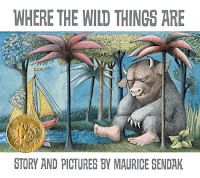
One of the most beloved titles, **“Where the Wild Things Are”** by Maurice Sendak, invites children on a fantastical journey with Max, a young boy who sails to an island inhabited by wild creatures. Sendak's ability to blend whimsical storytelling with expressive illustrations has made this tale a timeless exploration of imagination, adventure, and the power of home.

Another iconic gem, **“The Very Hungry Caterpillar”** by Eric Carle, introduces young readers to the wonders of nature and the concept of growth. With its vibrant, collage-style artwork and rhythmic text, Carle's book not only entertains but also educates children about the days of the week, counting, and the metamorphosis of a caterpillar into a butterfly—an inspiring transformation that resonates deeply.

**“Goodnight Moon”** by Margaret Wise Brown is yet another classic that has lulled countless children to sleep. Its soothing, rhythmic prose and gentle illustrations create a comforting bedtime ritual, making it a cherished staple on the shelves of families across the globe. The simple act of saying goodnight to various objects in the room fosters a sense of familiarity and security, perfect for winding down after a busy day.

Lastly, we cannot overlook **“Chicka Chicka Boom Boom** by Bill Martin Jr. and John Archambault, a lively and rhythmic alphabet adventure that delights children with its playful approach to learning letters. The colorful, exuberant illustrations capture the energy of the story, allowing children to engage with the text in a memorable and enjoyable way.

These classic favorites not only showcase the incredible talents of their legendary authors but also reflect the timeless themes and lessons that resonate with young readers. As we delve into each of these iconic stories, it becomes clear how they continue to inspire curiosity, imagination, and a lifelong love for reading in children everywhere.


5. "Where the Wild Things Are" by Maurice Sendak "Where the Wild Things Are," penned by the legendary Maurice Sendak, is a timeless classic that has enchanted generations of young readers. First published in 1963, this beloved picture book invites children into the imaginative world of Max, a spirited boy who dons a wolf costume and embarks on an extraordinary adventure. The story begins with Max's mischief at home, where he is declared a "wild thing" by his mother and sent to bed without dinner. This act of defiance sets the stage for his journey—one that blurs the line between reality and fantasy.

As Max sails away to the land of the Wild Things, Sendak's whimsical and striking illustrations transport readers into a vibrant world filled with larger-than-life creatures. The Wild Things, with their grinning faces and playful antics, embody the untamed spirit of childhood imagination. With each turn of the page, children are drawn deeper into Max's escapade, where he tames the Wild Things and becomes their king, reveling in the freedom and chaos of his new kingdom.

Yet, beneath the adventurous surface, "Where the Wild Things Are" resonates with profound themes of loneliness, belonging, and the bittersweet nature of growing up. Max's eventual decision to return home highlights the importance of love and comfort found in familiar places, reminding young readers that even the wildest adventures are best enjoyed when they can be shared with those we love.

Maurice Sendak’s masterful combination of enchanting storytelling and evocative illustrations creates an immersive experience that captivates young imaginations while offering valuable life lessons. "Where the Wild Things Are" is more than just a picture book; it is a celebration of creativity and a cherished invitation to explore the wild and wonderful landscapes of our dreams. This beloved tale continues to resonate with children and adults alike, securing its place as a cornerstone of children's literature and an enduring classic that will be cherished for years to come.


6. "The Very Hungry Caterpillar" by Eric Carle

Eric Carle's "The Very Hungry Caterpillar" is a delightful journey through the transformative journey of a caterpillar as it munches its way through an array of delectable foods. First published in 1969, this iconic picture book has captivated the hearts and minds of children for generations, becoming a staple in children's literature. With its vibrant, collage-style illustrations and simple yet engaging narrative, Carle invites young readers to explore the world of colors, numbers, and the concept of growth.

The story begins with a tiny, seemingly insatiable caterpillar hatching from an egg, and from there, the adventure unfolds as it devours an astonishing variety of fruits and treats. Each page introduces a new food item, presented in a playful and visually appealing manner, making it an excellent resource for teaching counting and healthy eating habits. The rhythmic text, combined with Carle's signature cut-out design, encourages children to interact with the book, as they can poke their fingers through the holes made by the caterpillar’s munching.

As the story progresses, readers can feel the excitement build, culminating in the caterpillar’s transformation into a beautiful butterfly. This metamorphosis serves as a powerful metaphor for growth, change, and the beauty of nature. Carle's ability to weave educational themes into an entertaining narrative makes "The Very Hungry Caterpillar" not just a story, but a cherished learning experience.

Beyond its engaging storyline, the book's legacy is further enriched by Carle's unique artistic style, which has inspired countless young artists and readers alike. His dedication to children’s literature and his passion for storytelling shine through in every page, making this book a timeless classic.

Whether you’re sharing it with a child at bedtime or using it as a teaching tool in the classroom, "The Very Hungry Caterpillar" is sure to evoke smiles and spark imaginations, reminding us all of the joy found in simple pleasures and the magic of transformation.


7. "Goodnight Moon" by Margaret Wise Brown

A cornerstone of children's literature, "Goodnight Moon" by Margaret Wise Brown has enchanted generations of young readers with its soothing rhythm and tender illustrations. First published in 1947, this timeless classic invites children into a serene world where a little bunny bids goodnight to everything around him—a gentle homage to the comforting rituals of bedtime.

The story unfolds in a cozy, green-tinted room, filled with charming details that spark the imagination. As the bunny says goodnight to the "moon" and "the cow jumping over the moon," he also acknowledges the various objects in his room, from a red balloon to the "quiet old lady" who whispers "hush." Brown's lyrical prose, combined with Clement Hurd’s whimsical illustrations, creates a calming atmosphere that encourages little ones to settle down for the night.

Beyond its simple narrative, "Goodnight Moon" masterfully captures the essence of childhood wonder and the importance of routine. Its repetitive structure makes it an ideal read-aloud choice, allowing parents and children to bond over the familiar lines and soothing cadence. The book’s gentle invitation to say goodbye to the day makes it a cherished part of many bedtime routines, instilling a sense of safety and comfort that children carry into their dreams.

Margaret Wise Brown's legacy lives on through this beloved tale, which not only celebrates the beauty of a child's world but also serves as a reminder of the magic found in the simplest moments. "Goodnight Moon" remains a must-have on any child's bookshelf, a literary treasure that will continue to inspire and lull future generations to sleep.


8. "The Gruffalo" by Julia Donaldson

"The Gruffalo" by Julia Donaldson is a modern classic that has captivated the hearts of children and parents alike since its publication in 1999. This delightful picture book tells the story of a clever little mouse who outsmarts a series of predators in the woods with the help of a fictional creature known as the Gruffalo. The narrative is ingeniously crafted, combining playful rhymes with vibrant illustrations by Axel Scheffler that bring the enchanting world to life.

As the mouse walks through the deep, dark wood, he encounters a hungry fox, an owl, and a snake, each intent on making him their next meal. In a stroke of genius, the mouse weaves a tale of the Gruffalo, describing him as a fearsome beast with terrible tusks and terrible claws. As luck would have it, the mouse soon meets the very creature he invented, and with quick thinking, he turns the tables on all the animals who once threatened him.

What makes "The Gruffalo" truly memorable is its underlying message about bravery and intelligence. Children learn that sometimes, the greatest strength lies not in size or power, but in cleverness and resourcefulness. The rhythmic text and whimsical illustrations encourage early readers to engage with the story, making it a perfect read-aloud choice for parents and teachers.

Julia Donaldson's lively storytelling, paired with Scheffler's imaginative artwork, creates an irresistible charm that resonates with young audiences. The book has spawned a beloved sequel, "The Gruffalo's Child," and even animated adaptations, solidifying its status as a timeless tale. As children dive into the adventures of the mouse and the Gruffalo, they are transported into a world where wit prevails, making "The Gruffalo" a staple on the bookshelves of families everywhere.


9. "Chicka Chicka Boom Boom" by Bill Martin Jr. and John Archambault

"Chicka Chicka Boom Boom" is a delightful celebration of letters and rhythm that has captivated young readers since its publication. This enchanting picture book takes children on an unforgettable journey through the alphabet as the letters A to Z race to the top of a coconut tree. With its catchy, rhythmic text and vibrant illustrations by Lois Ehlert, this book invites kids to join in the fun as they eagerly anticipate the inevitable tumble of the letters when the tree becomes too crowded.

The genius of Bill Martin Jr. and John Archambault lies in their ability to weave simple yet engaging storytelling with educational elements. Each letter has its own personality, making the learning experience interactive and relatable. The repetitive and playful language encourages children to chant along, reinforcing their phonemic awareness while igniting their love for reading. The rhythmic cadence of “Chicka Chicka Boom Boom” is not just enjoyable; it transforms reading time into an exhilarating sing-along.

As the letters tumble down from the tree, children are introduced to themes of teamwork, resilience, and the joy of exploration. The bright, bold colors and whimsical illustrations engage the imagination, allowing young minds to visualize the playful antics of the letters. This book is more than just an introduction to the alphabet; it’s a timeless tale that fosters a sense of community among its characters and readers alike.

"Chicka Chicka Boom Boom" remains a staple in classrooms and homes, cherished by parents and educators for its delightful narrative and the enduring message that learning can be a joyful adventure. Through the clever collaboration of Martin and Archambault, this beloved classic continues to inspire a love of language and literacy in children aged 5-8, ensuring its place on bookshelves for generations to come.


10. "The Snowy Day" by Ezra Jack Keats

"The Snowy Day," a classic picture book published in 1962, remains a cornerstone of children's literature, enchanting young readers with its simple yet profound storytelling. Written and illustrated by Ezra Jack Keats, this beloved tale follows the adventures of a young boy named Peter as he explores his neighborhood blanketed in fresh, glistening snow. The illustrations, rendered in vibrant colors and textured collage, invite children to experience the magic of a winter wonderland through Peter's curious eyes.

Keats masterfully captures the innocence of childhood and the sheer joy that comes from playing in the snow—building snowmen, making snowballs, and leaving tiny footprints in the crisp white powder. The story resonates with its universal themes of exploration, imagination, and the wonder of nature, allowing children to see the world around them anew through Peter’s delightful experiences.

What sets "The Snowy Day" apart is not only its charming narrative but also its groundbreaking representation. Keats was one of the first African American authors to portray an African American child as the protagonist in a mainstream children's book. This important step toward inclusivity and diversity in literature has made the book a timeless treasure, cherished by generations of readers.

As children navigate the joys and challenges of growing up, "The Snowy Day" serves as a gentle reminder of the beauty found in simple moments and the importance of embracing one's environment. The timeless illustrations and relatable storyline make it an enduring favorite for parents, educators, and young readers alike, ensuring that the magic of Peter's snowy adventure will continue to inspire wonder and imagination for years to come.


11. "Brown Bear, Brown Bear, What Do You See?" by Bill Martin Jr. and Eric Carle "Brown Bear, Brown Bear, What Do You See?" is a beloved classic that has captivated young readers since its publication in 1967. This enchanting picture book, written by Bill Martin Jr. and beautifully illustrated by Eric Carle, invites children into a vibrant world filled with a delightful parade of animals. Each page turn reveals a new creature, beginning with the iconic brown bear and leading to a myriad of colorful friends—red bird, yellow duck, blue horse, and many more—each asking the question, "What do you see?"

The rhythmic, repetitive text is not only engaging but also serves as an excellent tool for early literacy. Children quickly catch on to the repetitive structure, eagerly anticipating the next animal and its color, making it an interactive experience that encourages participation. Martin's simple yet profound prose, combined with Carle's signature collage-style illustrations, creates a sensory feast that delights both the eyes and ears of young readers.

Beyond its entertainment value, "Brown Bear, Brown Bear, What Do You See?" offers myriad educational benefits. It introduces children to the concept of observation, color recognition, and animal identification, all while nurturing their love for reading. The book's soothing cadence and playful illustrations make it a perfect bedtime story or classroom read-aloud.

As children explore the pages of this timeless tale, they not only enjoy a captivating narrative but also embark on a journey of discovery and imagination. Bill Martin Jr. and Eric Carle have crafted a masterpiece that resonates across generations, ensuring that "Brown Bear, Brown Bear" will continue to be a cherished favorite for years to come.


12. Celebrating Diversity: Picture Books that Promote Inclusion

In a world that thrives on the richness of diversity, picture books have the unique power to introduce young readers to a tapestry of cultures, experiences, and perspectives. Among the most impactful contributions to children's literature are those that promote inclusion, encouraging empathy and understanding from an early age. These books not only tell captivating stories but also serve as vital tools for teaching children about the beauty of differences.

One remarkable title that stands out in this genre is **"Last Stop on Market Street"** by Matt de la Peña. This award-winning picture book takes readers on a journey through a vibrant city, following a young boy and his grandmother as they ride the bus. Through their observations and conversations, children are gently introduced to themes of socioeconomic disparity, the importance of community, and the value of seeing beauty in the world around them. De la Peña's lyrical prose and Christian Robinson's stunning illustrations create a rich narrative landscape that invites readers to embrace diversity in everyday life.

Another essential read is **"All Are Welcome"** by Alexandra Penfold and Suzanne Kaufman. This heartwarming story paints a picture of a school where children from all backgrounds come together to learn and play, showcasing a welcoming environment filled with diverse characters and experiences. The rhythmic text and colorful illustrations resonate with young readers, sending a powerful message that every child is valued, no matter their background. It encourages children to appreciate their peers’ differences and fosters a sense of belonging that is crucial in our increasingly interconnected world.

Finally, **"The Name Jar"** by Yangsook Choi is a poignant tale that explores the significance of names and identity. As a young girl named Unhei moves to a new country, she grapples with the challenge of fitting in while staying true to her heritage. This beautifully illustrated book encourages discussions about the importance of names, cultural pride, and the beauty of embracing one's uniqueness. Choi's gentle storytelling not only affirms the importance of inclusion but also celebrates the richness that diverse cultures bring to our lives.

As we delve into these timeless tales, it becomes clear that picture books celebrating diversity are not just stories for children; they are essential conversations that shape the minds and hearts of the next generation. By sharing these narratives, we empower young readers to appreciate differences, cultivate empathy, and foster an inclusive world where everyone feels seen and valued.

13. New Classics: Contemporary Picture Books Worth Reading

In the ever-evolving landscape of children's literature, contemporary picture books have emerged as shining gems that not only captivate young readers but also resonate with parents and educators seeking stories that reflect today’s diverse world. These new classics blend stunning illustrations with engaging narratives, capturing the imagination of children aged 5 to 8 while imparting valuable life lessons.

One standout title is **"The Day You Begin" by Jacqueline Woodson**, a beautifully illustrated book that explores themes of belonging and self-acceptance. Woodson's lyrical prose, paired with Rafael López's vibrant artwork, invites children to embrace their uniqueness while fostering empathy towards others. It’s a gentle reminder that everyone has a story, making it a must-read for cultivating emotional intelligence in young hearts.

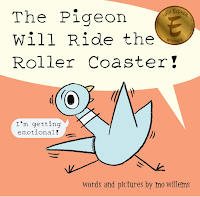
Another contemporary favorite is **"The Pigeon Will Ride the Roller Coaster!" by Mo Willems**. Known for his whimsical humor and relatable characters, Willems captures the exhilarating and sometimes daunting experience of trying something new. The interactive nature of the book encourages kids to express their feelings, making it a delightful read-aloud that sparks laughter and discussion.

**"Happy Pig Day!" by Mo Willems** is yet another delightful entry from this beloved author, celebrating friendship and the joy of sharing. In this tale, Piggie's exuberance is infectious, teaching young readers the importance of joyfulness and camaraderie in everyday life.

Finally, **"I Am Enough" by Grace Byers** is a powerful affirmation of self-worth and resilience, beautifully illustrated by Keturah A. Bobo. This lyrical book encourages children to embrace their individuality, promoting a message of strength, kindness, and acceptance that resonates deeply with today’s youth.

These contemporary picture books are not just stories; they are essential tools for raising thoughtful, compassionate children who are engaged with the world around them. By introducing these new classics into your reading repertoire, you’ll not only entertain young readers but also equip them with the values and understanding they need to navigate life’s challenges. In a world that continues to change, these stories remind us of the enduring power of storytelling and its ability to connect generations.


14. Tips for Choosing the Right Picture Books for Your Child

Selecting the perfect picture books for your child can be a delightful yet daunting task, especially in a world brimming with colorful covers and captivating tales. To ensure that the stories you introduce to your little ones are not only enjoyable but also enriching, consider these thoughtful tips.

**1. Know Your Child’s Interests:** Start by observing what excites your child. Are they fascinated by animals, adventure, magic, or perhaps the wonders of space? Choosing books that align with their passions can make reading time feel like an exciting journey rather than a chore.

**2. Look for Age-Appropriate Content:** Picture books for ages 5-8 often walk the fine line between simple storylines and deeper themes. Seek out stories that are age-appropriate, balancing simplicity in language with complexity in ideas. Books that inspire curiosity or provoke thought will resonate more with older children, while younger ones may prefer straightforward narratives.

**3. Consider Illustrations:** The visual element of picture books cannot be overstated. Vibrant, engaging illustrations can capture your child’s imagination and enhance their understanding of the story. Pay attention to the artistry—some books feature whimsical, cartoon-like characters, while others may use more sophisticated or realistic styles.

**4. Read Reviews and Recommendations:** Utilize online communities, bookstores, or libraries to find recommendations from other parents and educators. Websites like Goodreads or dedicated parenting blogs often provide insightful reviews that can guide you toward hidden gems or beloved classics.

**5. Test the Waters:** Before making a purchase, consider borrowing books from the library or checking them out at a local bookstore. Reading the story together can help you gauge your child’s reaction and interest. A book that sparks excitement during a first reading is likely to become a favorite.

**6. Look for Diversity and Inclusion:** Aim to enrich your child’s worldview by selecting books that feature diverse characters, cultures, and experiences. This not only fosters empathy but also helps children see themselves and others in the stories they read.

**7. Trust Your Instincts:** Ultimately, your intuition as a parent plays a crucial role. If a book resonates with you—whether it’s whimsical, educational, or beautifully illustrated—the chances are high that your child will feel the same way.

By keeping these tips in mind, you’ll be well-equipped to choose picture books that not only entertain but also inspire your child's imagination and love for reading. Happy storytelling!


15. Conclusion: The Enduring Impact of Picture Books on Young Readers

As we turn the final page of our exploration into the world of picture books, it’s important to reflect on the enduring impact these literary treasures have on young readers. Picture books are not merely stories; they are gateways to imagination, creativity, and critical thinking. For children aged 5 to 8, these vibrant narratives serve as a crucial foundation for language development, emotional understanding, and social skills.

The rich illustrations and engaging storytelling techniques employed by legendary authors invite children into a world where anything is possible. Each turn of the page is not just an opportunity to absorb words and pictures, but a chance to cultivate empathy, curiosity, and a love for reading that can last a lifetime. Characters like the adventurous Max from "Where the Wild Things Are," or the courageous little mouse in "If You Give a Mouse a Cookie," resonate deeply with young readers, leaving an imprint that shapes their understanding of themselves and the world around them.

Moreover, the communal experience of reading picture books—whether snuggled up with a parent at bedtime or shared among friends in a classroom—creates cherished memories that children carry with them into adulthood. These stories foster connections, sparking conversations and allowing children to navigate their feelings and experiences through the lens of beloved characters.

As we celebrate the timeless tales and the iconic authors behind them, it’s clear that picture books do more than entertain; they educate, inspire, and nurture the hearts and minds of young readers. Their influence stretches far beyond childhood, planting the seeds for lifelong learning, exploration, and creativity. In a world that is constantly evolving, the magic of picture books remains a constant, proving that stories will always hold the power to shape our lives and imaginations.


In conclusion, the enchanting world of picture books offers a treasure trove of stories that not only entertain but also ignite the imagination and foster a love for reading in children aged 5 to 8. From the whimsical illustrations to the heartfelt narratives, these timeless tales have the power to create cherished memories that last a lifetime. The legendary authors behind these masterpieces have crafted worlds that resonate with young readers, fostering empathy, creativity, and a sense of adventure. As you embark on this literary journey with your little ones, we encourage you to explore these unforgettable stories together, sparking discussions and shared experiences that will deepen your bond. So grab a cozy blanket, curl up with a good book, and let the magic of these remarkable tales unfold in your home!

From Page to Screen: The Top 20 Books That Shaped Cinema and Captivated Audiences

Books have always held a special place in our hearts, and their power to transport us to different worlds has inspired countless filmmakers to bring these stories to life on the silver screen. The transition from page to screen is a magical journey, where words are transformed into vivid visuals, allowing audiences to experience beloved tales in a whole new way. In this blog post, we will explore the top 20 books that have not only shaped the landscape of cinema but also captivated audiences around the globe. From timeless classics that define genres to contemporary masterpieces that push the boundaries of storytelling, each selection showcases the profound connection between literature and film. Join us as we delve into the narratives that have inspired iconic adaptations, highlighting the creative ingenuity that allows us to relive these stories in a fresh and exhilarating format. Whether you're a book lover, a film enthusiast, or both, this exploration promises to illuminate the enduring impact of these literary treasures on the world of cinema.


1. Introduction: The Power of Adaptation

Adaptation is a remarkable phenomenon that bridges the worlds of literature and film, breathing new life into beloved stories while offering fresh interpretations that captivate audiences. The journey from page to screen is not merely a translation of text into visuals; it is an intricate dance of creativity, vision, and artistic expression. As filmmakers delve into the rich tapestries woven by authors, they unlock a treasure trove of characters, themes, and narratives that resonate across generations.

Some stories are so compelling that they transcend their original medium, evolving into cinematic experiences that redefine how we engage with them. The power of adaptation lies in its ability to reinterpret and reimagine, inviting both avid readers and new audiences to explore the depths of these narratives in vibrant, dynamic ways. Whether it's the sweeping landscapes of a fantasy epic, the gritty realism of a historical drama, or the whimsical charm of a classic tale, adaptations have the power to transport us to different worlds, igniting our imaginations and stirring our emotions.

In this blog post, we will explore the top 20 books that have not only shaped cinema but have also left an indelible mark on the hearts of audiences worldwide. From timeless classics to contemporary masterpieces, each adaptation offers a unique glimpse into how storytelling evolves and how the visual medium can enhance, alter, or even challenge the original narrative. Join us as we celebrate the enduring legacy of these stories and the filmmakers who dared to bring them to life on screen.


2. The Criteria for Selection

When compiling a list of the top 20 books that have significantly influenced cinema, it was essential to establish a clear and robust set of criteria for selection. This ensures that each entry not only holds literary merit but also possesses a unique capacity to translate into compelling film narratives.

First and foremost, we considered the **impact on storytelling**. A book that has reshaped narrative techniques or introduced innovative themes is a strong contender. Classics like "Pride and Prejudice" and modern masterpieces such as "The Road" exemplify this, as they have inspired numerous adaptations that explore complex human emotions and relationships.

Next, we evaluated **cultural relevance**. Books that resonate with their time and address universal themes—such as love, loss, identity, and conflict—tend to fare better in cinematic interpretations. Titles like "The Great Gatsby" and "To Kill a Mockingbird" not only reflect societal issues but also prompt conversations that remain pertinent through generations.

Another crucial factor is **the visual potential of the narrative**. Some stories inherently lend themselves to striking visual representation—think of the vivid worlds conjured in "The Lord of the Rings" or the stark landscapes depicted in "The Shining." These works provide filmmakers with rich imagery and symbolism, making them prime candidates for adaptation.

Additionally, the **author's influence** plays a significant role. Renowned writers whose works have garnered critical acclaim or commercial success often lead to adaptations that capture audience interest. The works of authors like Stephen King and J.K. Rowling have not only created devoted readerships but also blockbuster film franchises that continue to thrive.

Lastly, we considered the **enduring popularity** of both the book and its adaptations. A story that continues to captivate readers and moviegoers alike, such as "Harry Potter" or "The Chronicles of Narnia," deserves recognition for its lasting legacy in both literature and film.

By applying these criteria, we aim to celebrate not just the books that have shaped cinema, but also the profound ways in which they continue to captivate audiences across different mediums.


3. Classic Literature: Novels That Became Timeless Films

Classic literature has an enduring power that transcends generations, with its profound themes and unforgettable characters. When these literary masterpieces make the leap to the silver screen, they often bring with them a depth and richness that captivates audiences and breathes new life into the original narratives. Films adapted from classic novels not only honor the source material but also reinterpret it for contemporary viewers, creating a bridge between the written word and visual storytelling.

Take, for example, Jane Austen's "Pride and Prejudice." The novel's exploration of love, class, and societal expectations has led to numerous film adaptations, each offering a fresh perspective on Elizabeth Bennet and Mr. Darcy's timeless romance. Whether it’s the sweeping landscapes of the 2005 film starring Keira Knightley or the beloved 1995 mini-series featuring Colin Firth, each version captures the essence of Austen's wit and social commentary while reinvigorating the story for modern audiences.

Similarly, F. Scott Fitzgerald's "The Great Gatsby" probes the complexities of the American Dream, and its adaptations—most notably the lavish 2013 film directed by Baz Luhrmann—immerse viewers in the opulence and decadence of the Roaring Twenties. The film's vibrant visuals and contemporary soundtrack juxtapose Fitzgerald's poignant prose, making the narrative resonate with today's viewers while still conveying its critical insights.

Charles Dickens' "A Christmas Carol" has also seen countless interpretations, each one bringing its own unique flavor to the tale of Ebenezer Scrooge's redemption. From animated versions to live-action spectacles, these adaptations remind us of the enduring power of compassion and the holiday spirit, showcasing the timeless relevance of Dickens' themes.

These classics, along with many others, highlight how great literature can inspire cinematic magic. They challenge filmmakers to balance faithfulness to the original work with creative expression, ultimately resulting in films that not only honor their literary roots but also stand on their own as compelling stories. As audiences flock to theaters and streaming platforms, the connection between page and screen continues to thrive, proving that the written word can indeed shape the very art of cinema.


4. Contemporary Bestsellers: Books That Captured Modern Cinema

In the ever-evolving landscape of modern cinema, contemporary bestsellers have played a pivotal role in shaping the film industry and captivating audiences around the world. These books, often steeped in rich narratives and complex characters, not only resonate with readers but also provide filmmakers with a treasure trove of inspiration. The allure of contemporary literature lies in its ability to reflect the nuances of modern society—addressing pressing issues, exploring diverse cultures, and delving into the intricacies of human emotions.

Think of titles like "The Fault in Our Stars" by John Green, which brought a poignant love story to the big screen, capturing the hearts of a generation. Its exploration of youth, illness, and the search for meaning struck a chord with audiences, demonstrating how literature can translate into powerful cinematic experiences. Similarly, "Big Little Lies" by Liane Moriarty, with its sharp social commentary and multifaceted characters, was transformed into an acclaimed HBO series that not only entertained but also sparked conversations about friendship, motherhood, and the darker sides of suburbia.

These contemporary bestsellers are not just stories; they are cultural phenomena that resonate on multiple levels. Their adaptations often amplify the themes and emotions of the original text, bringing new layers of meaning to the forefront. With innovative storytelling techniques and the ability to tap into the zeitgeist, filmmakers have successfully bridged the gap between the page and the screen, creating films that are both commercially successful and critically acclaimed.

As we explore this fascinating intersection of literature and cinema, we’ll delve into the top contemporary bestsellers that have made their mark on modern filmmaking. From thought-provoking dramas to thrilling adventures, these adaptations illustrate the enduring power of storytelling and its ability to captivate audiences across generations. Join us as we celebrate the books that have not only enriched our reading lives but have also left an indelible imprint on the cinematic landscape.


5. Fantasy Worlds: Literature That Brought Imagination to Life

In the realm of cinema, few genres capture the essence of escapism and wonder quite like fantasy. The sheer ability of literature to conjure entire worlds filled with magic, adventure, and the extraordinary has inspired countless filmmakers to bring these vivid imaginings to life on the big screen. From enchanted forests to mythical creatures, the fantasy genre offers an endless well of inspiration, and many beloved films have their roots deeply embedded in the pages of literature.

Take J.R.R. Tolkien’s “The Lord of the Rings,” for example, a monumental work that has not only transformed the landscape of fantasy literature but also revolutionized cinematic storytelling. Tolkien’s richly detailed Middle-earth, with its intricate histories, diverse cultures, and epic quests, provided a blueprint for filmmakers to explore the depths of imagination. Peter Jackson’s film adaptations harnessed groundbreaking visual effects to transport audiences to a realm where hobbits, elves, and dragons coexist, drawing millions into a world that felt both timeless and utterly fantastical.

Similarly, C.S. Lewis’s “The Chronicles of Narnia” has enchanted audiences for generations, both in print and on screen. The enchanting land of Narnia, with its talking animals and eternal battles between good and evil, invites viewers to embrace their sense of wonder. The cinematic adaptations have brilliantly captured the essence of Lewis's narrative, allowing viewers to step through the wardrobe and experience the magic firsthand.

Furthermore, authors like Philip Pullman and J.K. Rowling have created universes that sparked the imaginations of both children and adults alike. Pullman’s “His Dark Materials” and Rowling’s “Harry Potter” series not only brought forth captivating stories but also emphasized themes of friendship, bravery, and the eternal battle against darkness. The films that emerged from these literary works have become cultural phenomena, captivating audiences and introducing them to fantastical realms where the possibilities are limited only by the imagination.

Fantasy literature serves as a doorway into the extraordinary, allowing filmmakers to explore complex themes and rich narratives while engaging audiences on a deeply emotional level. As we journey through the landscapes of these literary masterpieces, we not only celebrate the stories themselves but also the artistry of filmmaking that breathes life into the fantastical worlds we cherish. Whether through the pages of a book or the flicker of a screen, these stories remind us of the power of imagination and the endless adventures that await beyond the ordinary.


6. Thrillers and Mysteries: Page-Turners That Transformed into Tense Films

The world of thrillers and mysteries has long captivated readers with its intricate plots, unexpected twists, and the adrenaline rush of uncovering hidden truths. When these page-turners make their leap to the silver screen, they often retain that same gripping tension that keeps audiences on the edge of their seats. In this section, we’ll explore how some of the most compelling literary thrillers have been transformed into films that not only interpret the original story but enhance it through visual storytelling.

Consider the iconic work of authors like Gillian Flynn and Patricia Highsmith, whose novels have spun into cinematic masterpieces. Flynn’s *Gone Girl* is a thrilling exploration of deception, marriage, and media sensationalism. The film adaptation, directed by David Fincher, masterfully captures the book's dark undertones and complex characters, immersing viewers in a world where nothing is as it seems. The suspenseful pacing, combined with brilliant performances, creates a palpable tension that echoes the gripping experience of reading the book.

Similarly, Highsmith’s *Strangers on a Train* offers a chilling premise that delves into the mind of a sociopath and the unsuspecting man who becomes embroiled in a deadly exchange. Alfred Hitchcock’s adaptation is a classic, showcasing his signature flair for suspense. The film enhances the psychological tension of the narrative, deftly playing with light and shadow to evoke a sense of dread that complements the book’s thrilling twists.

These narratives, originally crafted to keep readers turning the pages late into the night, find new life and energy on screen. The marriage of sound, cinematography, and performances adds layers to the story, transforming them into experiences that are both familiar and fresh. As we delve deeper into this genre, we will highlight more thrilling adaptations that have not only honored their literary roots but also captivated audiences, proving that the suspense that grips readers can be just as powerful when it unfolds on screen.


7. Romance Novels: Love Stories That Found Their Way to the Big Screen

Romance novels have long held a cherished place in the hearts of readers, and their transition to the big screen has brought timeless love stories to life in vibrant and unforgettable ways. These tales of passion, longing, and heartbreak resonate deeply with audiences, capturing the essence of human connection and the complexities of love. Whether it’s the sweeping grandeur of historical romances or the relatable struggles of contemporary relationships, these stories have proven to be a goldmine for filmmakers looking to evoke strong emotional responses.

Take, for instance, the iconic adaptation of Jane Austen's "Pride and Prejudice." This beloved classic not only offers witty commentary on societal norms and personal pride but also showcases the electrifying tension between Elizabeth Bennet and Mr. Darcy, a dynamic that has sparked numerous adaptations, each bringing its own flair to the story. Similarly, Nicholas Sparks’ novels, such as "The Notebook," have become synonymous with the modern romance genre, translating his poignant narratives into cinematic experiences that tug at heartstrings and leave audiences misty-eyed.

The beauty of these adaptations lies in their ability to expand on the source material, breathing new life into beloved characters and settings. Directors and screenwriters often take creative liberties to enhance the emotional depth, employing stunning cinematography, evocative soundtracks, and captivating performances. The result? Films that not only honor the original novels but also stand alone as masterpieces in their own right, capable of moving viewers in ways that words on a page may not fully capture.

As we explore the intersection of romance novels and cinema, we find a tapestry of stories that have captivated audiences across generations. From the passionate embrace of "Outlander" to the heart-wrenching journey of "A Walk to Remember," these cinematic adaptations invite viewers to experience the complexities of love in all its forms. They remind us that, whether in the pages of a book or on the silver screen, love is a universal language that transcends time and space, leaving an indelible mark on our hearts.


8. Science Fiction and Dystopian Tales: Visionary Books that Shaped Future Cinema

Science fiction and dystopian tales have long served as fertile ground for cinematic innovation, pushing the boundaries of storytelling and visual effects. These visionary books not only entertain but also provoke thought about the human condition, societal constructs, and the possible futures that await us. From the chilling warnings of totalitarianism to the awe-inspiring wonders of advanced technology, the following masterpieces have not only captivated readers but have also profoundly influenced filmmakers in their quest to translate complex narratives into visually stunning experiences.

Consider George Orwell’s "1984," a harrowing glimpse into a totalitarian regime that manipulates truth and individual freedom. Its adaptation into film brought forth a stark and haunting portrayal of a surveillance state, resonating with audiences in every era. Similarly, Ray Bradbury’s "Fahrenheit 451" raises questions about censorship and conformity, showcasing a future where books are outlawed. The film adaptations have captured the bleakness of its dystopian vision, reminding viewers of the importance of literature and free thought.

On a more adventurous note, Isaac Asimov’s "Foundation" series lays the groundwork for epic storytelling, weaving a complex tapestry of politics, science, and human evolution. The cinematic adaptations of his work have sought to reflect the grand scale of his ideas, bringing vast galaxies and intricate plots to life.

Moreover, Philip K. Dick's works, such as "Do Androids Dream of Electric Sheep?"—the basis for the iconic "Blade Runner"—explore the blurred lines between humanity and artificial intelligence, challenging audiences to question their own realities. The stunning visuals and philosophical underpinnings of the film echo the depth of the original text, illustrating how literature can inspire groundbreaking cinematic achievements.

As we delve into these and other pivotal science fiction and dystopian books, it becomes evident that their narratives do more than entertain; they challenge us to envision the possibilities of our future, making them essential sources for filmmakers looking to create thought-provoking and visually captivating cinema. Through their pages, we are not merely spectators of our own reality; we become participants in the exploration of what might lie ahead, igniting our imaginations and shaping the cinematic landscapes we cherish today.


9. Memoirs and Biographies: Real Lives That Captivated Audiences

Memoirs and biographies have a unique ability to draw us into the lives of others, offering an intimate glimpse into their experiences, struggles, and triumphs. Unlike fictional narratives, these real-life stories resonate on a profound level, showcasing the resilience of the human spirit and the complexities of personal journeys. The transition from page to screen has allowed many memoirs and biographies to captivate audiences anew, breathing life into stories that might otherwise remain hidden in the annals of history.

Take, for instance, the powerful memoir *The Pursuit of Happyness* by Chris Gardner. This compelling account of Gardner's journey from homelessness to becoming a successful stockbroker not only inspired readers through its pages but also transformed into a riveting film starring Will Smith. The emotional depth of Gardner’s struggles and his unwavering determination resonates deeply, making it a poignant reminder of the power of perseverance.

Another noteworthy example is *Eat Pray Love* by Elizabeth Gilbert, which chronicles her quest for self-discovery and fulfillment across Italy, India, and Indonesia. The memoir, which was adapted into a film featuring Julia Roberts, captivated audiences by exploring themes of love, spirituality, and the quest for personal happiness. Through Gilbert's reflections, viewers are transported along her journey, finding inspiration in her quest for balance and joy.

Biographical films like *The Theory of Everything*, which tells the story of renowned physicist Stephen Hawking, showcase how the struggles and achievements of real individuals can inspire and educate. By delving into Hawking's life, the film not only honors his scientific contributions but also highlights his personal battles with motor neuron disease, illustrating the triumph of the human spirit against incredible odds.

In a world saturated with fiction, memoirs and biographies stand out by reminding us of the raw and authentic stories that shape our collective narrative. They invite us to empathize, reflect, and often inspire change, both in ourselves and in the world around us. As they transition from the written word to the silver screen, these real-life accounts continue to resonate, captivating audiences and encouraging us to explore the multifaceted tapestry of human experience.


10. Graphic Novels: How Illustrated Stories Made Their Mark in Film

Graphic novels have become a cornerstone of modern storytelling, bridging the gap between the printed page and the cinematic screen. These richly illustrated narratives offer a unique blend of visual artistry and gripping storytelling, captivating audiences in ways that traditional novels often cannot. Over the years, a multitude of graphic novels have transcended their comic book origins to become some of the most influential films in cinema history.

Take, for instance, "Sin City," a groundbreaking work by Frank Miller that redefined the visual style of film noir. Its stark contrasts and stylized visuals not only paid homage to the original comic but also created a visceral experience that left audiences spellbound. Similarly, "Watchmen," originally penned by Alan Moore and illustrated by Dave Gibbons, took the superhero genre and turned it on its head, exploring complex themes of morality and power. When adapted for the screen, it challenged viewers to rethink what a superhero narrative could entail, paving the way for more sophisticated adaptations.

Moreover, the allure of graphic novels lies in their ability to convey emotion and intensity through a unique fusion of images and text. Take "Persepolis," a poignant memoir by Marjane Satrapi that chronicles her childhood in Iran during the Islamic Revolution. The film adaptation not only captures the stark beauty of Satrapi's illustrations but also brings forth the emotional depth of her experiences, resonating with audiences on a personal level.

As filmmakers continue to explore the vast potential of graphic novels, the genre is proving that it’s not just for comic enthusiasts but for anyone who appreciates powerful storytelling. From the vivid imagery to the profound narratives, illustrated stories have made their indelible mark on film, enriching the cinematic landscape and captivating audiences around the globe. As we dive deeper into this realm, it becomes evident that graphic novels are not merely a source of inspiration; they are transformative works that have forever changed the way we experience storytelling on screen.


11. The Role of Screenwriters in Adaptations

When it comes to transforming a beloved book into a film, screenwriters play an essential and often underappreciated role in the adaptation process. They are the architects who take the intricate tapestry of a novel and weave it into a script that can capture the essence of the original story while making it palatable for a cinematic audience. This task is no small feat, as it requires a deep understanding of not only the source material but also the nuances of film as a storytelling medium.

Screenwriters must navigate the delicate balance of remaining faithful to the book while also recognizing that certain elements may not translate well to the screen. For instance, internal monologues that work beautifully on the page may need to be reimagined as dialogue or visual cues. They must distill complex narratives into a concise format, focusing on character development, pacing, and visual storytelling—all components that vary significantly from the written word.

Take, for example, the adaptation of J.K. Rowling's "Harry Potter" series. The screenwriters faced the monumental task of condensing rich, multi-layered plots into films that would resonate with both die-hard fans and new viewers. Their ability to highlight pivotal moments and character arcs ensured that the magic of Hogwarts came alive, making the franchise a global phenomenon.

Additionally, screenwriters often collaborate closely with directors and producers, shaping not just the dialogue but also the overall vision of the film. Their work can elevate a mediocre adaptation into a masterpiece, as seen in the case of "The Great Gatsby," where Baz Luhrmann’s vibrant direction combined with a thoughtful script breathed new life into F. Scott Fitzgerald's classic tale.

In summary, the role of screenwriters in adaptations is crucial to bridging the gap between page and screen. Their creativity, insight, and ability to condense complex narratives into compelling scripts are what ultimately determine whether a film resonates with audiences or falls flat. As we explore the top 20 books that shaped cinema, it's essential to recognize the skill and artistry of these writers who bring our favorite literary worlds to life.


12. Challenges of Adapting Books into Films

Adapting a beloved book into a film is no small feat, and it often comes with a unique set of challenges that can make or break a cinematic interpretation. One of the primary hurdles is the necessity of condensing a rich, sprawling narrative into a limited runtime. Books often delve deep into characters’ inner thoughts and complex storylines that can span hundreds of pages, while films typically require a more streamlined approach to storytelling. This compression can lead to the loss of subplots, character development, or even pivotal themes that were crucial to the original narrative.

Additionally, the visual medium of film demands a different type of storytelling. What works on the page may not translate well to the screen; a scene that reads beautifully in prose may feel clunky or melodramatic when acted out. Filmmakers must find the delicate balance between staying true to the source material and creating a visually engaging experience. This often involves reimagining characters, settings, or even plot points to ensure they resonate with an audience accustomed to the dynamic nature of cinema.

Moreover, there is the ever-present scrutiny from fans of the original work. Book lovers often have deep emotional connections to the characters and storylines, which can lead to polarized opinions about how faithfully a film adapts its source material. A film that strays too far from the book may alienate its dedicated fan base, while one that adheres too closely may come across as uninspired or stagnant.

Finally, the financial aspect cannot be ignored. Production studios are keenly aware of the marketability of adaptations. They often weigh the risks and potential rewards of bringing a literary work to life, considering factors such as genre popularity, star power, and audience demographics. This commercial pressure can shape the final product in ways that may not align with the original vision of the author.

In summary, the challenges of adapting books into films require a thoughtful approach that honors the source material while navigating the intricacies of filmmaking. Successfully overcoming these obstacles can result in a captivating cinematic experience that both pays homage to its literary roots and captivates a new audience.


13. Iconic Directors and Their Literary Inspirations

Throughout the history of cinema, many iconic directors have looked to the written word for inspiration, transforming beloved novels, plays, and stories into visually stunning films that resonate with audiences around the globe. These filmmakers have a unique ability to translate the essence of a literary work onto the screen, often enhancing the narrative with their own artistic vision while remaining faithful to the original story.

Take, for instance, Martin Scorsese, whose adaptation of “The Age of Innocence” by Edith Wharton captures the intricate social dynamics of 19th-century New York. Scorsese’s keen eye for detail and atmosphere, combined with his ability to evoke strong emotions, brings Wharton's exploration of love and societal constraints vividly to life. Similarly, Stanley Kubrick's masterful interpretation of Anthony Burgess's dystopian novel “A Clockwork Orange” is not just a retelling but a bold reimagining that challenges viewers to grapple with the themes of free will and morality.

Then there’s Guillermo del Toro, whose adaptation of "Pan's Labyrinth" intertwines elements of folklore and history, creating a hauntingly beautiful narrative that pays homage to the fairy tales of yore while telling a deeply personal story of loss and resilience. Del Toro’s work exemplifies how literature can serve as a springboard for exploring complex emotions and profound themes in a cinematic format.

These directors, among many others, remind us that great literature has the power to inspire and influence filmmakers, resulting in movies that not only entertain but also provoke thought and reflection. By examining the literary works that have sparked their creativity, we can gain deeper insights into the films that have captivated audiences and shaped the landscape of cinema. As we explore this connection between page and screen, we celebrate the timeless narratives that continue to inspire generations of filmmakers and moviegoers alike.


14. Audience Reception: How Fans Reacted to Adaptations

The transition from page to screen is a journey that often sparks fervent discussions among fans, critics, and creators alike. When beloved books are adapted into films, the audience's reception can be a complex tapestry of emotions, ranging from excitement to disappointment. This section delves into how fans reacted to some of the most notable adaptations, highlighting the intricate relationship between literature and cinema.

Take, for instance, the adaptation of J.K. Rowling's *Harry Potter* series. Upon its release, the films were met with a wave of anticipation from a generation that had grown up with the books. Fans flocked to theaters, eager to see their favorite characters come to life. While many praised the films for their faithful representation of the magical world, others voiced concerns about omitted subplots and character development. This duality of reception reveals the passionate investment readers have in the source material and their desire for authenticity.

Similarly, the cinematic rendition of *The Great Gatsby* sparked intense conversations about fidelity to F. Scott Fitzgerald's original text. Baz Luhrmann’s vibrant and stylized interpretation dazzled audiences with its visual flair, yet some purists felt that the essence of the novel was lost amidst the glitz. This phenomenon is not isolated; countless adaptations have stirred similar debates, as viewers grapple with their preconceived notions of the story and characters they hold dear.

The reception of adaptations can also vary across different demographics. Younger audiences may embrace a modern take on classic literature, finding new relevance in updated themes and settings, while older fans may yearn for the nostalgia of the original text. This generational divide further enriches the discourse surrounding adaptations, as each group brings its own perspectives to the table.

Ultimately, audience reception plays a pivotal role in shaping the narrative around adaptations. It influences box office performance, spurs critical analysis, and can even lead to renewed interest in the original works. As we explore the top 20 books that shaped cinema, we will also consider the myriad ways fans have reacted to their beloved stories being reimagined on the big screen, revealing the dynamic interplay between literature and film that continues to captivate audiences worldwide.


15. Conclusion: The Lasting Impact of Literary Adaptations on Cinema

As we draw our exploration of literary adaptations to a close, it becomes abundantly clear that the intersection of literature and cinema has created a profound and lasting impact on both mediums. The journey from page to screen is not merely a transfer of narrative; it’s a transformative process that breathes new life into stories, reshaping them for diverse audiences and evolving cultural contexts.

From the haunting landscapes of classic novels to the vibrant worlds of contemporary prose, these adaptations have enriched the cinematic landscape, inviting viewers to revisit beloved characters and plots through a fresh lens. Filmmakers have taken literary works—each with their unique voice and style—and interpreted them in ways that highlight the emotional depth and thematic richness inherent in the original texts. This synergy not only enhances the storytelling but also allows for an exploration of new artistic techniques, from visual storytelling to innovative soundscapes.

Moreover, the impact of these adaptations extends beyond mere entertainment. They often spark renewed interest in the original literary works, leading readers back to the shelves of libraries and bookstores. Additionally, they create a dialogue between generations, bridging the gap between those who prefer the tactile experience of a book and those who find their passion for stories ignited by the magic of film.

In conclusion, the legacy of literary adaptations is one of creativity, cultural exchange, and storytelling evolution. As audiences continue to flock to theaters and streaming platforms, the stories that began in the pages of books will undoubtedly continue to captivate hearts and minds, reminding us of the timeless power of narrative in all its forms. The relationship between literature and cinema is not just an artistic endeavor; it is a testament to the enduring influence of storytelling in shaping our collective experience and understanding of the world.


As we conclude our exploration of the top 20 books that have not only shaped cinema but also captivated audiences around the world, we hope you’ve discovered some new titles to add to your reading list and perhaps a few films to revisit with fresh eyes. Each of these literary works has transcended its pages to inspire filmmakers and touch the hearts of viewers, reminding us of the profound connection between literature and film. Whether you’re a lifelong book lover, a devoted film enthusiast, or someone who appreciates the art of storytelling in all its forms, we encourage you to delve into these narratives and experience the magic they’ve brought to the screen. So grab a book, watch the adaptation, and relish the journey from page to screen—because every story deserves to be told in its own unique way. Happy reading and viewing!

Turning Setbacks into Success: Navigating Rejection as an Author After Twenty Letters

For every celebrated author, there lies a story of perseverance, resilience, and the often-painful journey of rejection. If you’ve ever sent out what felt like a masterpiece, only to receive a string of polite declines, you’re not alone. "Turning Setbacks into Success: Navigating Rejection as an Author After Twenty Letters" explores the emotional landscape of an aspiring writer facing the daunting reality of rejection letters. Each letter represents not just a setback, but an opportunity for growth, learning, and ultimately, reinvention. In this post, we’ll delve into the strategies and mindset shifts that can transform disappointment into motivation, helping you to harness the lessons learned from rejection and turn them into stepping stones towards your literary dreams. Join us as we uncover the power of resilience in the face of adversity, and learn how to navigate the tumultuous waters of the publishing world with confidence and grace.


1. Introduction: Embracing Rejection as Part of the Journey

Rejection is a bitter pill to swallow, especially for authors who pour their hearts and souls into their work. The moment you hit “send” on that submission email, a wave of hope and anticipation washes over you. You envision the possibility of your manuscript being embraced by a publisher, your words transforming into a published book that captivates readers. But then, a few weeks later, you receive the dreaded email—another rejection. It stings, doesn’t it? Yet, what if I told you that these rejections are not the end of your journey, but rather stepping stones toward your ultimate success?

In the world of writing, rejection is as commonplace as the ink on your pages. Every celebrated author has faced their fair share of "no thanks" before finally achieving their breakthrough. J.K. Rowling, whose "Harry Potter" series has enchanted millions, was rejected by multiple publishers before finding the one that believed in her story. This introduction invites you to shift your perspective on rejection—it’s not a reflection of your talent, but an essential part of the creative process.

As you navigate the tumultuous waters of the literary world, embracing rejection can empower you. It can be a catalyst for growth, prompting you to refine your craft, seek feedback, and ultimately strengthen your resolve. Each rejection is an opportunity to learn, adapt, and become a more resilient writer. So, as we embark on this journey together, let’s explore how to transform those twenty letters of rejection into a roadmap for success. After all, every setback can lead to an incredible comeback if you embrace it with the right mindset and determination.


2. Understanding the Commonality of Rejection in Writing

Rejection is an inevitable chapter in the journey of every writer, and understanding its commonality can be both comforting and empowering. As an author navigating the literary landscape, encountering rejection is not a reflection of your talent or potential; it’s simply a shared experience among writers, both seasoned and new.

Think of the literary giants whose names are now etched in history: J.K. Rowling, Stephen King, and Maya Angelou, to name just a few. Each faced their own share of rejections before achieving the success they enjoy today. Rowling’s "Harry Potter" manuscript was rejected by multiple publishers before finally being accepted; King’s "Carrie" faced numerous rejections as well. These stories serve as poignant reminders that rejection is not the end but often a necessary step in the path to success.

As you sift through the sea of rejection letters, it’s important to recognize that they often stem from a variety of factors—market trends, personal preferences of agents or editors, and even timing. Sometimes, a manuscript may simply not align with a publisher's current catalog or vision. This understanding can help you reframe rejection from a discouraging setback to an opportunity for growth.

Moreover, embracing the commonality of rejection fosters resilience. Each letter can be viewed as a stepping stone rather than a stumbling block, nudging you to refine your craft, revisit your narrative, or explore new genres. With every rejection, you gain valuable insights that can ultimately lead you closer to your goal of publication. By knowing that rejection is part of the writer’s journey, you can cultivate a mindset that welcomes constructive criticism and persists despite the hurdles. After all, it's often through the darkest nights that the brightest stars emerge.


3. The Psychological Impact of Rejection on Authors

Rejection is an inevitable part of the writing journey, and its psychological impact can be profound. For many authors, receiving a rejection letter feels like a personal failure, a blow to their creative identity. This often leads to feelings of self-doubt, anxiety, and even depression. The harsh reality of pouring your heart and soul into a manuscript, only to have it dismissed, can create a sense of vulnerability that many writers find difficult to navigate.

The emotional toll of rejection is not just about the immediate disappointment; it can also trigger a cascade of negative thoughts. Authors may question their talent, their choices, and even their passion for writing. "Am I cut out for this?" or "Is my story even worth telling?" These questions can linger long after the rejection has been received. It’s crucial to acknowledge these feelings rather than suppress them. Understanding that rejection is a common experience among writers can help mitigate its psychological effects.

Moreover, it’s important to remember that rejection does not equate to failure. Many bestselling authors faced numerous rejections before finding success. This reality highlights the importance of resilience and perseverance in the writing world. Engaging with a supportive community or seeking feedback can provide authors with the encouragement they need to bounce back. Embracing rejection as a step in the process, rather than an endpoint, allows authors to cultivate a growth mindset. By reframing rejection as an opportunity for improvement and self-discovery, writers can transform these setbacks into valuable lessons that propel them forward on their path to success.


4. Analyzing My First Twenty Rejection Letters

Analyzing my first twenty rejection letters was a humbling yet enlightening experience that transformed the way I approached my writing journey. Each letter, with its carefully crafted lines of polite dismissal, offered more than just a simple "thank you for your submission." They were a treasure trove of insights, each varying in tone and feedback, revealing a deeper understanding of both the market and my own writing style.

As I sifted through the stack of envelopes and emails, I began to notice patterns. Some letters were form rejections, generic and devoid of any specific commentary, while others provided thoughtful critiques that hinted at areas for improvement. It was these personal notes that stood out, illuminating not just what was lacking in my manuscript but also what resonated with readers. Phrases like “well-developed characters” or “engaging premise” sparked a flicker of hope amidst the sea of rejection, while remarks on pacing and plot clarity served as constructive criticism that I could actively work on.

I began to categorize the responses, creating a spreadsheet that detailed the type of rejection—whether it was a form letter, a personalized note, or an invitation to submit again in the future. This visual representation helped me pinpoint recurring themes in the feedback. Was my opening chapter compelling enough? Did my narrative voice resonate? By breaking down the responses, I could identify specific areas where I consistently fell short and, more importantly, where I shone.

Moreover, revisiting these letters allowed me to reflect on my resilience. Each rejection was a stepping stone, a necessary part of the journey that pushed me to refine my craft. Instead of viewing them solely as failures, I began to see them as crucial milestones that shaped my growth as an author. The process made me realize that rejection is not the end, but rather a pivotal moment that could fuel my determination to improve and persist.

Ultimately, analyzing those twenty rejection letters became a vital exercise in self-assessment and motivation. It taught me that every rejection carries the potential for growth, and that the path to success is often paved with setbacks. With each lesson learned, I grew more equipped to face the next round of submissions, armed with a clearer vision of my goals and an unwavering belief in my ability to turn rejection into triumph.


5. Lessons Learned from Each Rejection

Every rejection letter carries with it a wealth of insight, often hidden beneath the surface of disappointment. As an author navigating the tumultuous waters of publishing, it’s vital to view each setback as a stepping stone to growth. After sending out twenty letters, I learned that rejection is not merely a verdict on my writing, but rather an opportunity for reflection and improvement.

First and foremost, I discovered the importance of resilience. Each “no” was a reminder that many successful authors have faced similar hurdles. In fact, some of our literary heroes, like J.K. Rowling and Stephen King, received numerous rejections before their works found a home. Knowing this, I began to see rejection as part of the journey rather than a destination. It fueled my determination to refine my craft, explore new angles, and push the boundaries of my storytelling.

I also learned the significance of feedback. While not every rejection came with detailed critique, I sought out constructive criticism wherever possible. Some agents offered insights into what resonated with them and what fell flat. By embracing this feedback, I was able to pinpoint areas for improvement—be it character development, pacing, or narrative voice. Each piece of advice became a building block for my next draft, transforming setbacks into invaluable lessons.

Moreover, I found solace in the realization that rejection can clarify your vision. Each letter forced me to question my motivations and goals as an author. Why was I writing? What stories did I feel compelled to tell? This introspection helped me refine my focus and align my work with my true passion, making my writing more authentic and engaging.

Finally, the experience of facing rejection taught me about the power of community. Connecting with fellow writers who shared their own stories of rejection and resurgence was incredibly uplifting. We formed a support network, where we celebrated each other’s victories and commiserated during tough times, reminding each other that perseverance is key.

In the end, every rejection was not a dead end but rather an invitation to delve deeper into my craft, refine my narrative, and strengthen my resolve. With each letter sent and every response received, I was not just facing rejection—I was stepping closer to the success that awaited me.


6. Strategies to Stay Motivated After Setbacks

Facing rejection as an author can be a soul-crushing experience, especially after pouring your heart and soul into your manuscript only to receive a string of ‘no’s. However, cultivating resilience and maintaining motivation is crucial in this journey. Here are some effective strategies to help you stay motivated, even after the twentieth rejection letter.

**1. Embrace the Disappointment**: Allow yourself to feel the disappointment, but don’t let it consume you. Acknowledge your emotions—frustration, sadness, or anger are all valid feelings. Take a moment to reflect on your journey and remind yourself why you started writing in the first place. This can reignite your passion and remind you of the joy that storytelling brings.

**2. Seek Support from Fellow Writers**: Surround yourself with a community of writers who understand the struggles of the publishing world. Joining a writing group or participating in online forums can provide you with encouragement, constructive feedback, and a safe space to share your experiences. Hearing others’ stories of perseverance can be incredibly motivating and serve as a reminder that you’re not alone in this journey.

**3. Set Small, Achievable Goals**: Instead of focusing solely on finding an agent or getting published, break your larger goals into smaller, more manageable tasks. This could include rewriting a chapter, submitting to a new publisher, or even starting a new project. Celebrating these small wins can help you maintain a sense of progress and keep your spirits high.

**4. Reevaluate and Revise**: Use rejection as an opportunity to reevaluate your work. Consider the feedback you’ve received, if any, and think critically about your manuscript. Is there room for improvement? Are there aspects of your writing that could be strengthened? This process not only helps you grow as a writer but can also reignite your passion for your story.

**5. Stay Inspired**: Surround yourself with inspiration. Read books in your genre, watch films, listen to podcasts, or attend workshops. Engaging with other creative works can rekindle your enthusiasm and spark new ideas. Sometimes, a simple change of scenery or routine can provide the fresh perspective needed to move forward.

**6. Keep Writing**: The most important strategy is to keep writing. Set aside time each day or week to focus on your craft, even if it feels challenging. Write for the sake of writing, without the pressure of perfection or the need for immediate validation. This practice not only hones your skills but can also help you find joy in the act of creation itself.

By implementing these strategies, you can turn the sting of rejection into a stepping stone toward your ultimate success. Remember, every great author has faced setbacks; it’s how you respond to them that defines your journey. Stay motivated, keep writing, and trust that your persistence will pay off in the end.


7. The Importance of Feedback: How to Use Rejections Constructively


In the journey of writing, rejection can often feel like a heavy weight, but it can also be a powerful tool for growth. Understanding the importance of feedback is crucial for any author navigating the choppy waters of rejection. When a manuscript is met with a “no,” it's easy to spiral into self-doubt or frustration. However, each rejection can be reframed as an opportunity for constructive criticism that holds the potential to elevate your writing to new heights.

Firstly, embrace the feedback you receive, whether it's detailed commentary from an editor or a simple form letter. Look for patterns in the responses—do multiple agents mention pacing issues, character development, or plot inconsistencies? This is your chance to gain valuable insights into how your work is perceived and where it may need refinement. Approach each piece of feedback with an open mind and a willingness to adapt.

Additionally, consider seeking out beta readers or writing groups that can provide honest, supportive critiques before you submit your work. These early opinions can help you pinpoint areas for improvement and boost your resilience to later rejections. Remember, even the most successful authors faced numerous rejections before finding their voice or their audience. By viewing each setback as a stepping stone rather than a stumbling block, you cultivate a mindset that thrives on learning and growth.

Lastly, keep in mind that rejection is not a reflection of your worth as a writer. It’s an inevitable part of the creative process. Instead of allowing it to discourage you, use it as fuel to refine your craft and hone your unique voice. By embracing feedback and learning from it, you transform the sting of rejection into a powerful catalyst for your success. In this way, every “no” can lead you one step closer to your ultimate goal of publication and recognition.


8. Reassessing Your Work: When to Revise and When to Move On

Reassessing your work after facing rejection is a crucial step in your journey as an author, and knowing when to revise and when to move on can make all the difference in your writing career. After receiving twenty rejection letters, it’s natural to feel disheartened, but this moment can also serve as a valuable opportunity for reflection and growth.

Begin by taking a step back and evaluating your manuscript with fresh eyes. Look for patterns in the feedback, if any was provided. Are multiple agents or editors commenting on the same aspects of your work? Perhaps the pacing is off, or the characters lack depth. Identify these recurring themes and consider whether they hold merit. Constructive criticism can be a goldmine, revealing insights that can elevate your story from good to great.

However, it’s equally important to recognize when your work may not resonate with the current market or audience. Sometimes, despite your best efforts, a particular manuscript might simply not align with the trends or preferences of the publishing industry at that moment. In such cases, it may be wise to set the project aside and begin working on something new, allowing your creative juices to flow without the weight of past disappointments.

Remember, reassessment doesn’t mean you have to scrap everything. It might involve pinpointing specific elements to revise while leaving the core of your story intact. Alternatively, you may decide that the concept, while brilliant in your mind, simply doesn’t translate well to the page and may need a complete overhaul or even a fresh start.

Ultimately, the key is to strike a balance between perseverance and pragmatism. Trust your instincts—if you believe in your work and see potential for improvement, dive into the revisions. If the manuscript feels more like a burden than a passion, don’t be afraid to pivot. Each rejection is a stepping stone, leading you closer to the success that lies ahead. Embrace the journey, and let your experiences shape you into the author you aspire to be.


9. Building a Support System: Connecting with Fellow Writers

Building a support system is vital for any writer, especially when faced with the daunting reality of rejection. Connecting with fellow writers not only provides a much-needed sense of camaraderie but also fosters an environment where creativity can flourish. It's easy to feel isolated in your writing journey, particularly after sending out countless letters and receiving little more than silence in return. However, surrounding yourself with like-minded individuals who understand the highs and lows of the literary world can make all the difference.

Joining writing groups, whether online or in person, offers a platform to share experiences, exchange feedback, and celebrate each other's victories—big or small. These connections can lead to insightful discussions about the publishing process, sharing tips on how to navigate rejections, and brainstorming ideas that can rekindle your passion for writing. Many writers find solace in knowing they're not alone in their struggles; the shared stories of others can inspire resilience and determination.

Additionally, attending workshops or literary events can expand your network and introduce you to potential mentors who can guide you through the intricacies of the writing and publishing landscape. When you connect with fellow writers, you gain access to a treasure trove of knowledge, encouragement, and support that can help you view rejection not as an endpoint, but as a stepping stone toward your ultimate success. Remember, each setback is an opportunity for growth, and with a strong support system, you can turn those letters of rejection into lessons that propel you forward on your writing journey.


10. Celebrating Small Wins: Recognizing Progress Beyond Rejections

In the tumultuous journey of an author, rejection can often feel like the defining hallmark of the experience. However, amidst the sea of polite declines and unanswered queries, it’s crucial to shift your focus towards celebrating small wins that signify genuine progress. Each small victory, whether it’s completing a new chapter, receiving positive feedback from a beta reader, or even simply committing to a daily writing routine, deserves recognition and celebration.

Consider the act of finishing your manuscript. That’s not just a step forward; it’s a monumental achievement that reflects countless hours of hard work, creativity, and resilience. Take a moment to acknowledge the dedication it took to bring your vision to life. Perhaps you’ve successfully pitched your story to an agent or publisher, even if the outcome was not what you hoped. This is still a significant milestone, showcasing your willingness to put your work out into the world.

Another small win could be engaging with your writing community—be it through social media, local writing groups, or workshops. Building connections and sharing experiences with fellow writers can provide invaluable support and encouragement during tough times. Each interaction can spark fresh ideas, new motivation, and a sense of belonging.

As you navigate your path, keep a journal of these small victories. Documenting your progress not only serves as a motivational tool but also as a reminder of how far you’ve come. When faced with rejection, revisit this journal to rekindle your passion and remind yourself that success is not solely defined by publication but by growth as a writer.

By celebrating small wins, you’re not merely enduring the setbacks; you’re actively forging a journey filled with learning, creativity, and resilience. Embrace these moments, and let them propel you forward, transforming the sting of rejection into fuel for your next chapter.


11. Case Studies: Successful Authors Who Overcame Rejection

When it comes to the literary world, rejection is often seen as a rite of passage for authors. Many of the most celebrated writers faced a barrage of "no thank yous" before they finally found their footing. Their stories serve as powerful case studies, demonstrating that perseverance can turn setbacks into monumental success.

Take J.K. Rowling, for instance. The creator of the Harry Potter series faced rejection from numerous publishers—12 to be exact—before Bloomsbury finally took a chance on her manuscript. Despite her struggles as a single mother living on welfare, Rowling remained steadfast in her belief that her story was worth telling. Today, her series has sold over 500 million copies worldwide, and her journey from rejection to success is a testament to resilience.

Similarly, Stephen King encountered a mountain of rejection before becoming a household name. His first novel, "Carrie," was rejected by 30 publishers. Instead of succumbing to despair, King used this time to hone his craft, writing consistently and learning from criticism. His breakthrough came when a publisher finally recognized the potential in "Carrie," leading to a prolific career that has produced over 60 novels and countless adaptations.

Then there’s Maya Angelou, whose powerful voice and poetry have inspired millions. Before becoming a celebrated author and civil rights activist, she faced numerous rejections and hardships, including a challenging childhood and early career obstacles. Angelou’s unwavering commitment to her art, combined with her unique perspective and storytelling ability, eventually won her acclaim and respect as one of the most influential writers of her time.

These authors exemplify the notion that rejection is not the end, but rather an integral part of the journey. Their experiences remind aspiring writers that each "no" can bring them one step closer to a "yes." By embracing their setbacks and learning from them, they transformed adversity into fuel for their creative process, ultimately achieving the success they once dreamed of. Their stories inspire us all to persist, adapt, and believe in the power of our own voices, no matter how daunting the path may seem.


12. The Art of Persistence: How to Keep Submitting Your Work

The path of an author is often paved with rejection letters, a rite of passage that many aspiring writers dread. However, within the heart of every setback lies the potential for growth, and mastering the art of persistence is essential for anyone determined to share their voice with the world. After sending out twenty letters, each met with the disheartening “not right for us” or “thank you, but no thanks,” it might be tempting to tuck away your manuscript and let it gather dust. But remember, every celebrated author has faced rejection, and it's how you respond that truly matters.

Persistence is more than just a mindset; it’s a strategic approach to navigating the tumultuous waters of the publishing world. First, embrace the feedback—if any—provided in those rejection letters. Constructive criticism, even if it stings, can offer invaluable insights that can refine your writing and strengthen your narrative. Use this feedback to improve your work, then polish up your manuscript and prepare for another round of submissions.

Next, consider diversifying your submission strategy. Research agents and publishers who align more closely with your genre and style. Tailor each query letter to reflect their preferences, which shows that you’ve done your homework and are serious about your craft.

Moreover, don’t limit your focus solely to traditional publishing routes. Explore self-publishing, anthologies, or digital platforms that can help you reach readers more directly. Each platform offers unique opportunities to showcase your work and connect with an audience that resonates with your voice.

Lastly, nurture your passion for writing. Join local or online writing groups where you can share your experiences, exchange ideas, and find support from fellow authors. This camaraderie can bolster your resolve and keep your spirits high, reminding you that persistence is a shared journey.

In the end, the key to turning setbacks into success lies in your unwavering dedication to keep submitting your work. Each letter sent is a step closer to your goal—a testament to your commitment and belief in your story. So, dust off that manuscript, refine your pitch, and let your determination shine as brightly as your words. Remember, every rejection is simply one step forward in the journey toward publication.


13. Turning Rejection into a Growth Mindset

Rejection is an inevitable part of the journey for any author, and learning to view it through the lens of a growth mindset can be transformative. Instead of allowing rejection letters to deflate your enthusiasm or diminish your self-worth, consider each "no" as a stepping stone toward eventual success.

A growth mindset encourages resilience and a belief that abilities can be developed through dedication and hard work. With every rejection, take a moment to reflect on the feedback provided, if any. Use it as an opportunity to hone your craft. Perhaps your writing style needs refinement, or maybe your story arc could benefit from a deeper exploration of character development. Each setback offers valuable insights that can propel your writing to new heights.

Engage with fellow writers and industry professionals, sharing your experiences and learning from theirs. Joining writing groups or participating in workshops can not only provide support but also expose you to different perspectives and techniques that can enhance your work. Surrounding yourself with a community that champions growth can help shift your focus from the disappointment of rejection to the excitement of improvement.

Additionally, set achievable goals that allow you to track your progress. Whether it's completing a new manuscript, mastering a specific writing technique, or submitting to a certain number of agents per month, these small victories can help reinforce your growth mindset. Celebrate each accomplishment, no matter how minor it may seem.

Remember, the path to publication is seldom linear. By embracing rejection as a natural part of your journey and using it as fuel for growth, you can build resilience, sharpen your skills, and ultimately craft compelling stories that resonate with readers and publishers alike. With persistence and an open mind, what initially feels like a setback can become a powerful catalyst for your success as an author.


14. Final Thoughts: Transforming Setbacks into Future Success

As we wrap up this exploration of navigating rejection as an author, it’s essential to reflect on the journey from setback to success. The road to publication is rarely a straight path; it’s often a winding trail filled with bumps, detours, and even dead ends. However, each rejection letter—whether it arrives in your email inbox or lands in your mailbox—carries with it an invaluable lesson that can propel your writing career forward.

Embracing rejection is about shifting your perspective. Instead of viewing it as a personal failure, see it as an opportunity for growth and improvement. Each "no" is a chance to refine your craft, to revisit your manuscript with fresh eyes, and to seek feedback that could elevate your storytelling. Remember, even the most celebrated authors faced countless rejections before finding their audience—J.K. Rowling, Stephen King, and Maya Angelou, to name just a few. Their stories remind us that persistence is key.

In the aftermath of rejection, take time to reflect on your work. What did you learn from the feedback, if any? Is there an underlying theme or concept that resonates with you? Use these insights to fuel your next writing endeavor. Surround yourself with a supportive community of fellow writers who understand the struggles you face. Share your experiences, seek advice, and celebrate each other’s victories, no matter how small.

Ultimately, transforming setbacks into future success requires resilience and an unwavering belief in your voice. Celebrate the progress you’ve made, no matter how incremental, and keep pushing forward. Every letter you send, every revision you undertake, and every ounce of courage you muster brings you one step closer to your goal. As you continue to navigate the world of publishing, remember: rejection is not the end of your story, but rather an essential chapter in your journey as an author. Keep writing, keep believing, and watch as the seeds of your hard work blossom into the success you deserve.


15. Encouragement for Aspiring Authors: Keep Writing!

As authors, we often find ourselves navigating a labyrinth of rejection letters, each one a reminder of the hurdles that stand between us and our dreams. But here's the crucial message: every "no" is merely a stepping stone on the path to your success. The literary world is vast, filled with diverse audiences just waiting to discover your voice. So, to all aspiring authors feeling the weight of doubt, I urge you: keep writing!

Writing is not just a craft; it’s a journey of exploration and self-expression. With every page you pen, you are honing your skills, developing your unique style, and expanding your narrative horizons. Remember, some of the most celebrated authors faced numerous setbacks before their breakthrough. J.K. Rowling, for instance, was rejected by multiple publishers before finding one that believed in her vision for Harry Potter. Your perseverance can lead you to the same place—a moment where your words resonate with readers and ignite their imaginations.

Make writing a daily habit; treat it as both a passion and a discipline. Set aside time each day to pour your thoughts onto the page, free from the pressure of perfection. Allow your creativity to flow without the constraints of external validation. Share your work with trusted friends or fellow writers who can provide constructive feedback. Join writing groups or online communities where you can connect with like-minded individuals who understand the struggle and triumph of being an author.

Celebrate small victories along the way. Whether it’s completing a chapter, receiving positive feedback, or simply showing up to write, these moments deserve recognition. They fuel your motivation and remind you of the progress you’re making, even if it doesn’t always feel tangible.

So, embrace the setbacks as part of the process. Let them strengthen your resolve and inspire your storytelling. The world is waiting for your words, and your unique perspective deserves to be shared. Keep writing, keep dreaming, and keep pushing forward—success may be just a few more letters away!


In conclusion, navigating the tumultuous waters of rejection can be one of the most challenging aspects of an author’s journey, but as we’ve explored throughout this blog, it can also be a powerful catalyst for growth and resilience. The stories of writers who have turned setbacks into stepping stones reveal that rejection is not the end, but rather an opportunity to refine your craft, reassess your goals, and ultimately, strengthen your resolve. As you move forward, remember that every “no” brings you one step closer to a “yes.” Embrace the lessons learned from those twenty letters, and let them fuel your passion and creativity. Your unique voice deserves to be heard, and with persistence and determination, you will carve your path to success. Keep writing, keep believing, and know that every great author has faced rejection—what matters is how you turn those challenges into triumph.